
The Complete Guide to Promotional Stationery for Australian Businesses and Resellers
Discover how to source, order, and maximise promotional stationery in Australia. Expert tips for resellers, businesses, and marketing agencies.

Written by
Harriet Cole
Stationery & Office
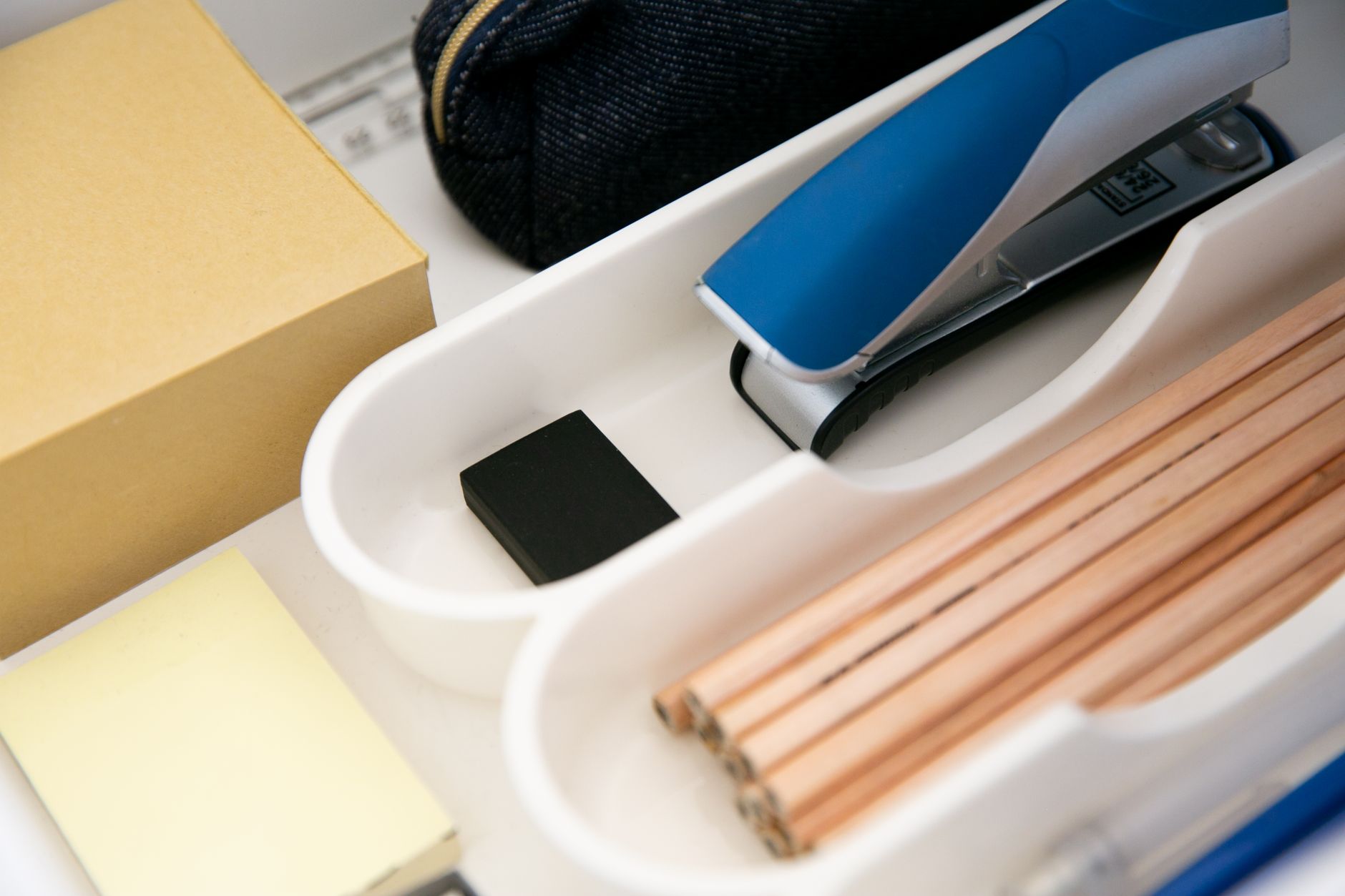
Promotional stationery might not grab headlines the way high-tech gadgets or premium apparel do, but it remains one of the most consistently effective categories in the branded merchandise industry. Walk into any Australian office, school, or conference room and you’ll find branded pens sitting on desks, custom notebooks stacked in meeting rooms, and printed lanyards hanging from staff necks. There’s a reason stationery has endured as a staple of promotional product campaigns for decades — it’s useful, everyday, and delivers remarkable brand exposure for the budget invested. Whether you’re a reseller building out your product catalogue, a marketing agency sourcing items for a client campaign, or a business looking to equip your team with cohesive branded essentials, understanding the stationery category in depth will help you make smarter decisions and deliver better results.
Why Promotional Stationery Continues to Deliver Strong ROI
It’s worth pausing to understand why stationery performs so reliably before diving into product specifics. Unlike merchandise that gets used once or tucked in a drawer, quality stationery is genuinely functional. A branded notebook gets opened repeatedly. A custom pen travels from desk to bag to meeting room and back again. Every interaction with that item is a touchpoint with your client’s brand.
According to industry research, branded pens are among the most retained promotional items globally — and Australia is no exception. Organisations across Sydney’s CBD, Melbourne’s corporate precincts, and Brisbane’s growing business hubs continue to order branded stationery in significant volumes each year. For resellers especially, stationery represents a reliable revenue stream because the repeat order cycle is strong. Pens run out, notebooks fill up, and clients come back.
Stationery also benefits from low minimum order quantities (MOQs) compared to many other categories. Many branded pens start at MOQs of just 100 units, while notebooks and planners often begin at 25 to 50 units. This makes the category highly accessible for smaller businesses and not-for-profits working with tighter budgets, as well as for agencies managing multiple smaller campaigns simultaneously.
The Core Stationery Products Every Supplier Should Know
Branded Pens and Writing Instruments
Pens are the backbone of the stationery category. From budget ballpoints at under a dollar per unit through to premium metal rollerball pens suitable for executive gifting, the range is vast. Decoration methods typically include pad printing (ideal for barrel branding), laser engraving (particularly popular on metal pens for a premium finish), and screen printing.
When advising clients or sourcing for campaigns, it’s worth considering the end use. A Perth mining company might need durable, clip-fastened ballpoints that can withstand a worksite environment. A Melbourne law firm might prefer engraved metal pens for client gifting. Understanding the context shapes the product recommendation.
Custom Notebooks and Journals
Notebooks have evolved enormously as a promotional product. Today’s options include hardcover notebooks with elastic closures, softcover journals with lay-flat bindings, spiral-bound options, and eco-friendly variants made from recycled or sustainable materials. Decoration methods range from debossing (which creates an elegant tactile impression on covers) to full-colour digital printing for vibrant custom artwork.
A5 notebooks are the most popular size in the Australian market, balancing portability with usability. Custom notebooks are especially popular for corporate events, conference packs, and onboarding kits for new employees. A Canberra government department might order 500 branded A5 notebooks for a policy forum, while a Gold Coast hotel might include custom-printed notepads in their corporate guest packages.
Lanyards and Badge Holders
Lanyards are technically stationery-adjacent, but they sit firmly within this category from a supplier perspective. Custom lanyards are ubiquitous at conferences, universities, schools, and workplaces across Australia. Sublimation printing allows for full-colour, edge-to-edge branding on polyester lanyards — making them an excellent canvas for logos, slogans, and event branding.
Turnaround times for standard lanyards typically range from 10 to 15 business days once artwork is approved, though express options are often available for event deadlines. MOQs generally start at 100 units, making them practical even for smaller events.
Sticky Notes, Notepads, and Desk Accessories
Branded sticky notes and custom notepads are often overlooked, but they represent a surprisingly powerful advertising medium. A notepad sitting on someone’s desk is a constant, passive brand impression. Desk accessories — from branded tape dispensers to custom mouse pads — extend the stationery category into office environments where prolonged exposure is almost guaranteed.
Stickers and Labels
Custom stickers deserve a mention here. They cross the boundary between stationery and marketing collateral, and they’re enormously versatile. For resellers, stickers represent a high-margin, low-barrier product with broad appeal across industries. You can learn more about sourcing quality custom options by reading our guide to stickers in Australia.
Decoration Methods for Promotional Stationery: What Works Best
Choosing the right decoration method is critical to delivering a professional result, particularly for resellers who are responsible for quality outcomes on behalf of clients. Here’s a quick breakdown:
Pad Printing
The most common method for pens and small items with curved or irregular surfaces. Pad printing delivers clean, precise single or multi-colour logos. It’s cost-effective at volume and suitable for most plastic and metal surfaces.
Laser Engraving
Ideal for metal pens, metal rulers, and premium desk accessories. Laser engraving removes the surface coating to reveal the material beneath, creating a permanent, high-end finish. There are no ink costs involved, and the result is extremely durable.
Debossing and Embossing
Popular for notebook and journal covers, particularly leatherette or faux-leather finishes. Debossing presses the design into the cover material, creating a tactile, professional impression. It’s a favourite for corporate gifting and premium conference packs.
Digital and Full-Colour Printing
Suited to notepads, sticky notes, and mouse pads where artwork complexity or colour range is high. Full-colour printing allows for photographs, gradients, and detailed artwork — useful for event branding or campaigns with complex visual identities.
Screen Printing
Used for fabric items like bags that accompany stationery sets, as well as certain notebook covers and folders. If you’re bundling stationery with other merchandise, understanding how screen printing works across product types will help you maintain visual consistency. Pairing custom notebooks with shirts using sublimation printing is a great way to deliver cohesive conference or event packs.
Practical Ordering Tips for Resellers and Marketing Agencies
Navigating stationery orders efficiently requires attention to a few key variables.
Artwork Preparation
Always request vector artwork files (AI, EPS, or high-resolution PDF) from clients before quoting. Many delays and quality issues stem from artwork that wasn’t prepared correctly at the outset. For pad printing, logos should be simplified to the print colour count specified — usually one to three colours for cost efficiency.
Sampling
For larger orders or premium products like leather-bound journals, request a physical sample before committing. Many suppliers offer pre-production samples for a fee, which is refundable on order placement. This protects both you and your client from costly surprises.
Setup Fees
Stationery items typically carry decoration setup fees that apply per colour, per position. On smaller orders, setup fees can represent a significant portion of total cost, so be transparent with clients about this when quoting. Setup fees are usually a one-time cost that can be waived or reduced on repeat orders with the same artwork.
Bundling Stationery with Other Products
Stationery pairs exceptionally well with other merchandise categories to create complete branded kits. Think about adding branded water bottles to a conference stationery pack, or combining custom notebooks with personalised tote bags for a premium delegate kit. For events with outdoor components, consider bundling with a flat water flask or insulated tote bag for a versatile brand package.
Budget Planning
As a general guide, expect to invest the following for common stationery items at standard volumes:
- Branded ballpoint pens (500 units): $0.60–$1.80 per unit depending on quality
- Custom A5 notebooks (100 units): $6–$18 per unit depending on specifications
- Sublimated lanyards (200 units): $3–$6 per unit
These figures are indicative and will vary based on decoration complexity, materials, and supplier.
Stationery for Specific Industries and Use Cases
Understanding how different sectors use stationery helps resellers and agencies pitch more effectively.
Corporate and Professional Services: Law firms, accounting practices, and financial services companies in Sydney and Melbourne consistently order premium pens, branded notebooks, and padfolios for client meetings and staff onboarding. Quality and presentation are paramount.
Education: Schools and universities are heavy users of budget stationery. An Adelaide primary school might order 300 branded pencil cases for the start of the school year, while a Darwin TAFE might source custom lanyards and notebooks for student orientation. Stationery can complement other education merchandise — similar to how soccer balls with logos are ordered for physical education programmes.
Events and Conferences: Lanyards, notebooks, pens, and branded bags form the core of most conference delegate packs. If you’re managing stationery alongside event merchandise, our guide to summer promotional products in Melbourne offers useful cross-category insights.
Gifting and Corporate Hampers: Premium stationery items make excellent inclusions in corporate gift packages. Pairing a debossed leather journal with a branded pen and a personalised towel creates a well-rounded gift set. For seasonal gifting occasions, stationery is a reliable choice — see our guide to Secret Santa gifts for bundling inspiration.
Retail and Trade Shows: Branded stationery at expos and trade shows extends brand reach far beyond the event itself. Items like sticky note sets and custom notepads travel home with attendees and stay in use for weeks. Complementing stationery with promotional USB flash drives or USB sticks is a popular strategy for technology-adjacent exhibitors.
It’s also worth considering complementary items beyond the stationery category — solar-powered power banks and USB-A chargers pair well with tech-forward stationery sets for corporate clients.
Key Takeaways
Stationery is a powerhouse category in the Australian promotional products market, and for good reason. Here’s a summary of what you need to know:
- Stationery delivers consistent ROI because items like pens and notebooks are genuinely used daily, creating repeated brand impressions over an extended period.
- MOQs are accessible across most stationery product types, making the category viable for organisations of all sizes — from small charities to large government departments.
- Decoration method selection matters significantly for quality outcomes — match the method to the material, print area, and finish expectation before quoting.
- Bundling stationery with complementary products is one of the most effective ways to increase average order value and deliver cohesive branded merchandise experiences.
- Artwork preparation and sampling are your best tools for avoiding costly errors, especially on premium or high-volume orders.
Whether you’re sourcing for a one-off event or building a long-term corporate stationery programme, taking a structured approach to product selection, decoration, and supplier management will put you in the best possible position to deliver outstanding results for your clients.