
How to Get the Best Print of Business Cards for Your Brand in Australia
Learn how to source, order, and manage the print of business cards in Australia — practical tips for businesses, resellers, and marketing agencies.

Written by
Harriet Cole
Stationery & Office
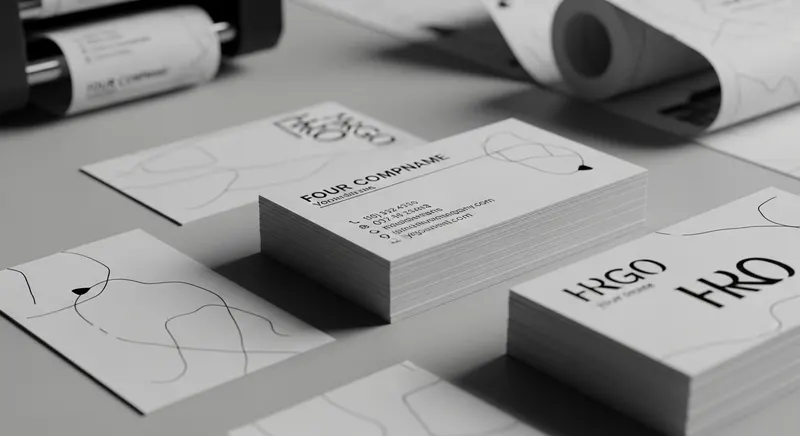
In a digital-first world, it might seem like the humble business card has had its day. Yet anyone who has attended a trade show in Sydney, a networking breakfast in Melbourne, or a corporate conference on the Gold Coast knows the truth: a well-designed, professionally printed business card still makes a powerful first impression. For businesses, marketing agencies, and resellers sourcing branded stationery on behalf of clients, understanding the ins and outs of the print of business cards — from specification choices to supplier selection — can be the difference between a forgettable card and one that genuinely reflects a brand’s quality. This guide breaks it all down so you can make smarter, more confident decisions.
Why the Print of Business Cards Still Matters in 2026
There is a reason business cards have remained a staple of professional networking for decades. Unlike a digital contact exchange, handing someone a physical card creates a tangible moment. It communicates effort, identity, and attention to detail in a way that a LinkedIn connection request simply cannot replicate.
For marketing agencies managing branded collateral across multiple clients, or for resellers supplying promotional products to a range of industries, business cards represent a recurring, high-volume product category. Getting the printing right — every single time — is essential for protecting both your reputation and your clients’.
The quality of a business card speaks volumes before a word is said. A card that feels flimsy, has washed-out colours, or blurred text immediately undermines the professional image a business works hard to build. Conversely, a card with crisp printing, solid stock weight, and a premium finish elevates the brand at every touchpoint.
It is also worth noting that business cards rarely travel alone. They are often ordered alongside a broader suite of branded materials — think custom stickers for packaging and product branding, promotional USB flash drives for tech-savvy clients, or branded tote bags handed out at events. Business cards anchor the suite, tying the whole branded experience together.
Understanding Your Options: Printing Methods and Finishes
Before placing an order, it helps to understand the main printing methods and finish options available in the Australian market. Not all printing is created equal, and the right choice depends on the intended use, budget, and brand aesthetic.
Offset vs Digital Printing
Digital printing is the most accessible and cost-effective option for short runs. Files go directly to a digital press, making it ideal for orders under 500 cards or where quick turnaround is a priority. Most Australian suppliers can turn around digitally printed cards within three to five business days.
Offset printing is the preferred method for large runs, particularly where precise colour matching is critical. Using lithographic plates, offset delivers sharper detail and more accurate colour reproduction — especially important when PMS (Pantone Matching System) colours must align with strict brand guidelines. If you are ordering 1,000 or more cards and colour consistency is non-negotiable, offset is typically worth the additional setup cost.
Stock Weight and Card Feel
The weight of your card stock — measured in GSM (grams per square metre) — directly affects perceived quality. Standard business cards typically range from 300GSM to 400GSM. Premium cards can go up to 600GSM or beyond when double-mounting two card stocks together.
For most professional applications, 350GSM to 400GSM with a matte or gloss laminate is considered the sweet spot. It feels substantial without being overly rigid, and the laminate protects the print surface from scuffs and moisture.
Finish Options Worth Knowing
- Gloss laminate: Vibrant, high-sheen finish that makes colours pop. Great for image-forward brands.
- Matte laminate: Sophisticated, understated look. Resists fingerprints and is ideal for luxury or creative brands.
- Soft-touch matte: A velvety texture that feels premium in the hand. Popular for high-end professional services.
- Spot UV: A gloss coating applied selectively over matte laminate to highlight logos or design elements. Adds visual depth and a premium feel.
- Foil stamping: Gold, silver, or coloured foil applied to specific areas for a striking, upscale result. Common in finance, real estate, and legal sectors.
- Rounded corners: A small but impactful detail that gives cards a modern, polished appearance.
Key Specifications to Confirm Before You Order
One of the most common mistakes in the print of business cards — particularly for resellers managing orders on behalf of clients — is failing to confirm all specifications upfront. Miscommunication at this stage leads to reprints, delays, and unhappy clients.
Artwork Requirements
Australian print suppliers typically require artwork supplied as print-ready PDF files, built at 300DPI (dots per inch) minimum. Files should be set up in CMYK colour mode (not RGB), with a standard 3mm bleed on all sides and all fonts embedded or outlined. If your client is supplying artwork prepared by their own designer, always check these technical requirements before submitting.
Minimum Order Quantities
For digital printing, MOQs are typically as low as 50 to 100 cards — making short runs accessible for small businesses or individuals. Offset printing generally requires a minimum of 250 to 500 cards to be cost-effective, with pricing per unit dropping significantly at higher quantities. If you are ordering for multiple clients or reselling, consolidating orders at the 500 or 1,000-card tier often yields the best cost-per-unit pricing.
Turnaround Times
Standard turnaround for most Australian print-of-business-cards orders is five to seven business days from proof approval. Express services — typically two to three business days — are available from most suppliers at a premium. For trade show or event deadlines, always factor in delivery time on top of production, especially if product is shipping from interstate.
Budgeting for Business Card Printing
Budget varies considerably based on quantity, stock, finish, and whether you are using digital or offset printing. As a general guide for 2026 Australian pricing:
- 250 cards, digital, 350GSM matte laminate: $40–$70
- 500 cards, digital, 350GSM gloss laminate: $60–$100
- 1,000 cards, offset, 400GSM with spot UV: $150–$250
- 500 cards with foil stamping: $180–$350 depending on foil coverage
For resellers and agencies, understanding these price brackets allows you to build a sensible margin while remaining competitive. It is also worth factoring in any artwork setup fees, which some suppliers charge separately for file preparation or colour adjustments.
Business card budgets also scale naturally alongside other branded product orders. A Brisbane startup ordering business cards is often also looking for branded water bottles for the office, a custom USB charger for tech gifting, or personalised towels for a sporting client. Bundling enquiries can sometimes unlock better pricing conversations with suppliers.
Choosing the Right Supplier for Business Card Printing
Not all suppliers are equal, and the right choice depends heavily on your volume, timeline, and client requirements. Here is what to look for when evaluating suppliers.
Quality Assurance and Proofing Processes
Any reputable print supplier will provide a digital proof — sometimes called a “soft proof” — before sending a job to press. For offset printing, a physical printed proof may be available for an additional cost. Always insist on proof approval before production begins. This protects both you and your client if any discrepancy arises after delivery.
Turnaround Reliability
Ask about average turnaround performance, not just advertised lead times. A supplier in Perth may advertise five-day turnaround, but if they are consistently delivering in seven or eight, that is useful information for planning. Client testimonials and reviews are your friend here.
Range of Stock and Finish Options
A supplier with a broad range of stock weights, laminate options, and specialty finishes gives you flexibility to upsell clients on premium products. If a supplier only offers one or two stock types, you may find yourself limited when clients want something more distinctive.
Communication and File Handling
For resellers and agencies managing multiple print jobs simultaneously, responsive communication is non-negotiable. You need suppliers who can acknowledge receipt of files quickly, flag artwork issues early, and confirm dispatch in a timely manner.
Smart Ordering Tips for Resellers and Marketing Agencies
If you are regularly sourcing business card printing on behalf of clients, a few habits will save you significant time and headaches.
Create a brief template. Develop a standard client briefing document that captures all necessary specifications — quantity, stock weight, finish, turnaround required, delivery address, and artwork files. This reduces back-and-forth and ensures nothing is missed.
Build in buffer time. Always add two to three business days to your client-facing timeline. Print runs can occasionally require reprints or have minor delays. Having buffer time means you can absorb small hiccups without impacting the client.
Educate clients on artwork requirements. Many clients — particularly small businesses — supply artwork that is not print-ready. Investing ten minutes explaining DPI, bleed, and CMYK upfront saves hours of revision later.
Order a sample pack. Most reputable Australian print suppliers offer paper sample packs. Ordering one and sharing it with clients helps them visualise the final product and make confident decisions on stock and finish.
Think beyond the card. Business cards are often the starting point of a broader branded conversation. Clients who order cards may also need promotional shopping bags for events, custom USB sticks for conference giveaways, or even solar-powered power banks for sustainability-forward campaigns. Keeping these related products top of mind positions you as a full-service supplier.
Related Products to Pair with Business Card Orders
Business cards rarely stand alone in a client’s branded stationery kit. When consulting with clients, consider recommending complementary products that extend their brand presence across more touchpoints.
- Branded notebooks and pens — staples of the corporate stationery suite
- Promotional reusable bags — ideal for retail, real estate, and community events
- Insulated tote bags — popular for corporate gifting and wellness brands
- Branded stickers — cost-effective for product packaging and event use
- Summer promotional products — seasonal bundles that pair naturally with business card orders at end-of-year events
- Personalised shot glasses or custom soccer balls for sporting clubs and hospitality venues
Even products that seem unrelated — like a flat water flask or a tiny cooler bag — can form part of a thoughtful welcome pack or client gift, with the business card acting as the centrepiece of branded communication.
Conclusion: Key Takeaways for Getting Business Card Printing Right
The print of business cards remains one of the most important investments a business can make in its physical brand presence. For resellers, marketing agencies, and businesses sourcing their own cards, understanding the mechanics of print — methods, finishes, specifications, and supplier selection — ensures consistently great outcomes.
Here are the key takeaways to carry with you:
- Printing method matters: Digital printing suits short runs and fast turnarounds; offset delivers superior colour accuracy and value at higher volumes.
- Stock weight and finish define perceived quality: Never underestimate the difference that 400GSM and a soft-touch laminate can make to how a brand is received.
- Artwork preparation is everything: Print-ready files at 300DPI, CMYK, with 3mm bleed prevent costly errors and delays.
- Proof approval is non-negotiable: Always review and approve a digital or physical proof before production begins.
- Business cards are the starting point: Use them as an entry point to broader branded product conversations — the most successful resellers and agencies treat every card order as the beginning of a complete brand experience.