
How to Choose Recognition Rewards That Actually Motivate and Inspire People
Discover how to select recognition rewards that genuinely motivate staff, members, and clients — with practical tips on products, budgets, and suppliers.

Written by
Diana Ruiz
Awards & Recognition
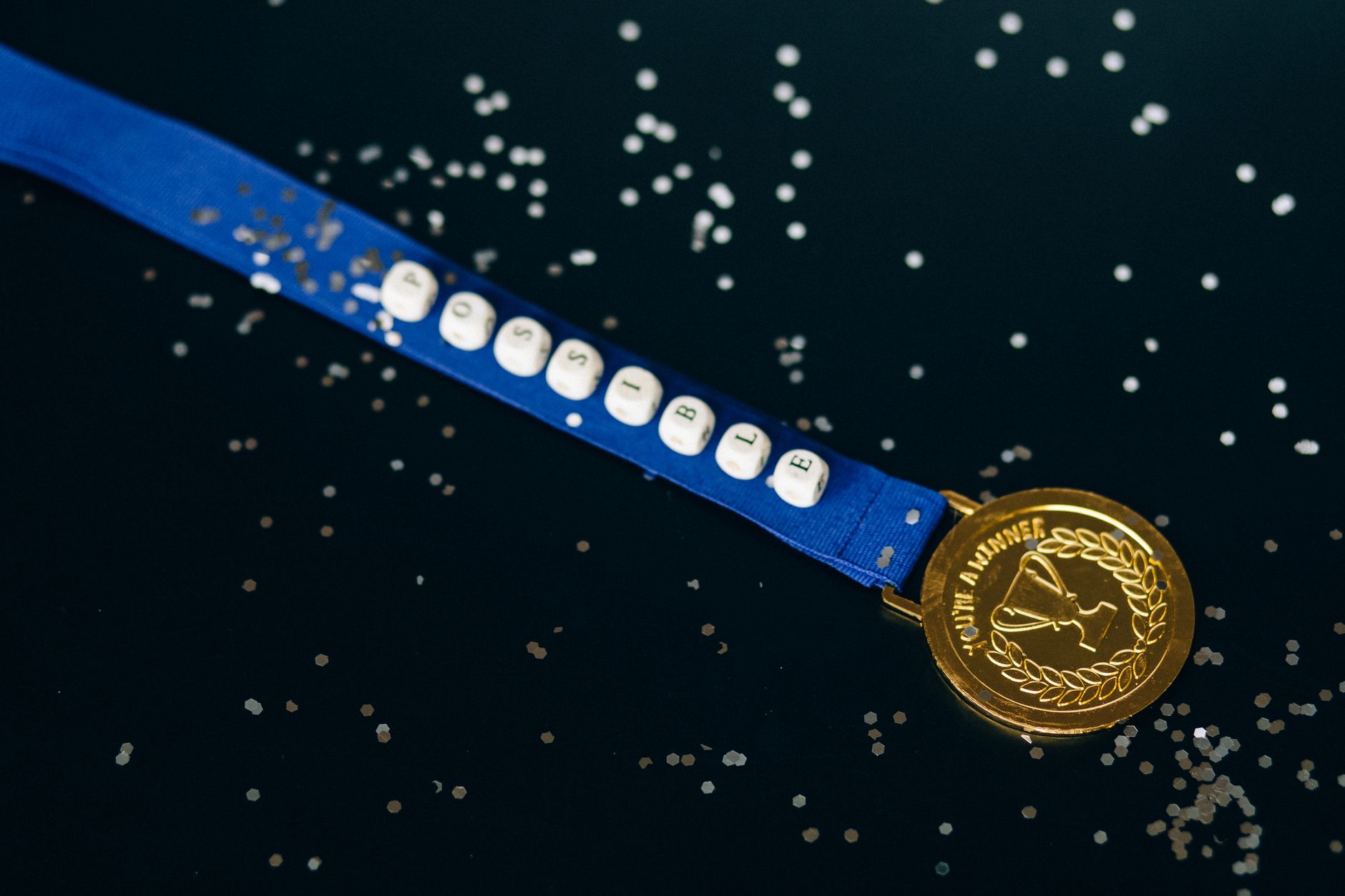
Choosing the right recognition rewards can be the difference between a programme that genuinely motivates people and one that quietly fades into the background. Whether you’re a marketing agency sourcing employee appreciation gifts for a corporate client, a reseller building out an awards and recognition product range, or a business looking to reward your team in a meaningful way, the stakes are higher than most people realise. Recognition isn’t just about handing someone a trophy and calling it a day — it’s about creating a tangible, lasting impression that tells someone their effort genuinely matters. Get it right, and you’ll see real returns in engagement, loyalty, and culture.
Why Recognition Rewards Matter More Than Ever
In 2026, organisations across Australia are under increasing pressure to retain good people. From Sydney-based financial services firms to Perth logistics companies, the challenge of keeping skilled staff engaged and acknowledged is universal. Recognition programmes have moved from a nice-to-have to a strategic priority, and the physical products that anchor these programmes play a critical role.
Research consistently shows that tangible rewards — actual physical items a person can hold, use, or display — outperform cash bonuses in long-term recall and emotional impact. There’s a reason a branded crystal award sitting on someone’s desk still sparks a conversation three years later, while a bank transfer from the same year is long forgotten.
For resellers and marketing agencies, understanding this psychology is powerful. It positions your offering not as “branded merch” but as a tool for meaningful business outcomes. That reframing changes conversations, budgets, and repeat order rates.
Types of Recognition Rewards to Consider
Not all recognition is created equal, and neither are the products that deliver it. The best programmes match the reward to the occasion, the recipient, and the organisation’s culture. Here’s a breakdown of the main categories worth understanding.
Traditional Awards and Trophies
Glass, crystal, and acrylic awards remain the gold standard for formal recognition. Think end-of-year staff awards, sporting club MVP trophies, or academic achievement certificates paired with a physical keepsake. Laser engraving is the decoration method of choice here — it produces clean, permanent results on glass and acrylic with excellent detail retention.
For sporting contexts, branded items like custom logo soccer balls can double as both a participation award and a functional gift that gets used long after the event.
Premium Branded Products as Rewards
Sometimes the most powerful recognition reward is a premium product the recipient actually wants to use every day. This approach works particularly well for employee service milestones, sales performance rewards, and client appreciation programmes.
High-quality personalised water bottles are a popular choice here — they’re functional, visible, and carry the brand every time they’re used. For premium gifting, a flat water flask offers a sleek, modern aesthetic that feels more like a lifestyle product than corporate merchandise.
Insulated tote bags and small cooler bags are another strong performer in this category — particularly for outdoor-facing teams, tradies, and field-based workers who’ll genuinely use them.
Tech Products That Impress
Technology-based rewards tend to score very well in recipient satisfaction surveys. Solar-powered power banks are a smart choice — they’re practical, feel premium, and align with the growing sustainability expectations of modern workforces. USB-A chargers are a reliable, budget-friendly option that suits large-scale recognition programmes with tiered reward levels.
The key with tech products is to select items with genuine utility. Avoid gimmicky gadgets that end up in a drawer after a week.
Apparel and Wearables
For team-based recognition — think sports clubs, volunteer organisations, schools, and community groups — personalised apparel is a highly visible and emotionally meaningful reward. A custom hoodie or polo with the recipient’s name and achievement embroidered or printed gives them something they can wear with pride.
Sublimation-decorated shirts are excellent for full-colour, all-over designs that celebrate a team or event. For a more casual reward that still looks sharp, a well-branded trucker cap hits the mark — especially for outdoor teams in Queensland and Western Australia where sun protection is part of the culture.
Lifestyle and Home Products
Recognition rewards that extend into the home tend to generate strong recall. Personalised tea towels and personalised towels are examples of home items that can be elevated with thoughtful customisation. For end-of-year gifting or long-service awards, personalised shot glasses as part of a curated gift set create a memorable unboxing moment.
For eco-conscious organisations — and there are plenty of them in Melbourne, Canberra, and Adelaide — rewards built around sustainable products like bamboo accessories, recycled tote bags, or reusable drinkware resonate strongly with both the recipient and the organisation’s values.
Building a Tiered Recognition Programme
One of the most effective structures for recognition rewards is a tiered system — different reward levels for different milestones or achievements. This approach is common in corporate environments but works just as well for sporting clubs, schools, and not-for-profits.
A simple three-tier structure might look like this:
- Tier 1 (Entry Level): Branded stationery sets — think quality pens, notebooks, and branded stationery bundles. These are affordable at scale and work well for things like “Employee of the Month” or attendance recognition.
- Tier 2 (Mid Level): Premium branded products like quality drinkware, apparel, or tech accessories. Suitable for quarterly performance awards, team MVP recognition, or six-month milestones.
- Tier 3 (Premium Level): Crystal or glass awards paired with a premium gift — personalised and laser engraved. Reserved for annual awards, long-service recognition, or top-performer programmes.
This tiered approach also simplifies budgeting conversations with clients. When resellers and agencies present a structured framework, it’s far easier for procurement teams and HR managers to sign off on spend.
Practical Ordering Considerations for Recognition Rewards
Understanding the operational side of recognition reward procurement will save you time, prevent costly mistakes, and set client expectations correctly.
Minimum Order Quantities (MOQs)
Most premium award products come with lower MOQs than standard promotional merchandise — many suppliers offer engraved glass or crystal awards from as few as one or two pieces. Branded lifestyle products like drinkware typically require a minimum of 25–50 units, though this varies by supplier and decoration method.
Turnaround Times
For recognition programmes with fixed event dates — annual dinners, award ceremonies, end-of-financial-year events — lead times matter enormously. Most laser engraved awards require 5–10 business days after artwork approval. Products sourced from offshore require significantly more planning, often 4–8 weeks including shipping.
If you’re in a rush, domestically produced or stocked items with local decoration are your best bet. A Brisbane supplier with local screen printing or engraving capabilities can often turn around smaller orders in 3–5 business days.
Artwork and Personalisation
The power of recognition rewards often comes down to personalisation. An award with someone’s name, the date, and a specific achievement description is infinitely more meaningful than a generic trophy. Factor artwork preparation into your timeline — especially if clients are supplying their own files, which may need reformatting into vector format for engraving.
For programmes that involve individual personalisation at scale (think 200 employees each receiving a named gift), variable data printing or engraving setups are worth discussing with your supplier upfront.
Budgeting Tips
Recognition programmes often have surprisingly generous budgets once the business case is made clearly. For resellers and agencies, the key is helping clients understand total cost of a programme rather than cost-per-item. A $45 branded drinkware gift with premium packaging and individual personalisation is a far stronger investment than a $10 generic gift card.
Also consider complementary product categories that round out a recognition gift. A shopping tote filled with curated branded items, custom stickers, and a premium notebook creates a gift experience that punches well above its component cost.
For seasonal peaks — particularly end-of-year programmes — it’s worth exploring summer promotional products if you’re targeting Australian summer gifting cycles. And if budgets are tight, a thoughtfully curated Secret Santa gift approach can work surprisingly well for team-wide recognition.
Don’t overlook bulk pricing either. Wholesale umbrellas or insulated drink flasks ordered at volume come in significantly cheaper per unit and allow for a more premium product than the budget might initially suggest.
Working With the Right Supplier
For resellers and marketing agencies, supplier selection for recognition rewards programmes is one of the most important decisions you’ll make. The ideal supplier for this category offers:
- A strong range of engraveable awards and premium branded products
- Local stock for fast turnaround on urgent orders
- Variable data and individual personalisation capability at scale
- Consistent quality control and clear proof approval processes
- Responsive account management — especially important when managing award ceremonies with tight deadlines
Ask prospective suppliers about their setup processes for large personalised runs, their artwork handling capabilities, and their quality assurance processes for engraving depth and clarity.
Conclusion: Key Takeaways on Recognition Rewards
Recognition rewards are a powerful tool for organisations that want to build culture, retain people, and celebrate achievement in a meaningful way. For resellers, agencies, and businesses sourcing these programmes, getting the product mix, personalisation, and programme structure right is what separates forgettable gestures from genuinely impactful recognition.
Here are the key points to take with you:
- Match the reward to the moment — different milestones warrant different product tiers, from branded stationery through to premium engraved awards
- Personalisation is everything — a named, dated, achievement-specific reward will always outperform a generic gift of the same dollar value
- Plan for lead times — especially for engraved products and large personalised runs; build buffer into your project timelines
- Consider lifestyle products — functional, daily-use items like quality drinkware, tech accessories, and apparel extend the life and visibility of recognition beyond the award moment
- Help clients see the bigger picture — a well-structured tiered recognition programme is a strategic investment, not just a merch purchase