
Fairtrade Chocolate as a Promotional Product: The Complete Australian Supplier Guide
Discover how to source fairtrade chocolate for branded promotional gifts in Australia. Tips for resellers, agencies, and businesses.

Written by
Katarina Pavlov
Industry Trends & Stats
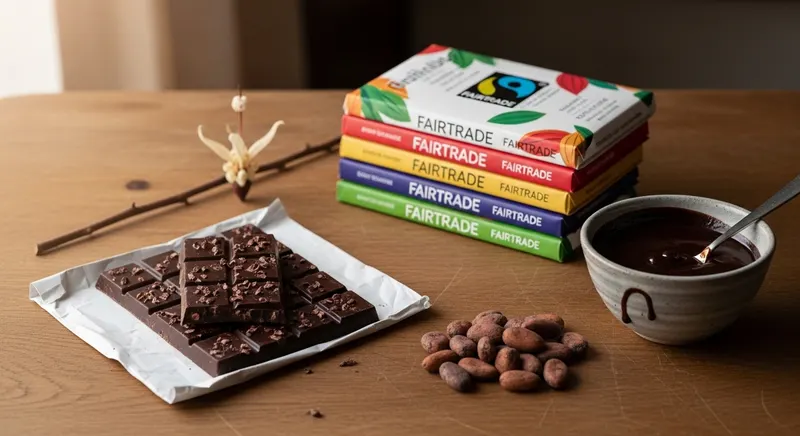
Choosing the right edible promotional product can be surprisingly complex — and when it comes to chocolate, the stakes are higher than you might think. Fairtrade chocolate has moved well beyond the health food aisle and into the mainstream promotional products space, and for good reason. Australian businesses, marketing agencies, and resellers are increasingly being asked by their clients to source branded merchandise that reflects genuine values. Fairtrade chocolate ticks multiple boxes: it’s universally loved, endlessly giftable, and carries a certification that tells a clear, credible story about ethical sourcing. But navigating the supplier landscape — minimum order quantities, branding options, turnaround times, and certification requirements — takes some insider knowledge. This guide walks you through everything you need to know.
Why Fairtrade Chocolate Is Gaining Ground in Branded Merchandise
The promotional products industry has changed dramatically over the past few years. Clients across Sydney, Melbourne, Brisbane, and Perth are no longer satisfied with generic giveaways — they want products that align with their brand values and demonstrate corporate responsibility. Fairtrade chocolate fits squarely into this shift.
When you gift a client or conference delegate a beautifully branded box of fairtrade chocolate, you’re not just handing over a sweet treat. You’re communicating something meaningful: that your organisation cares about supply chains, fair wages for cocoa farmers, and sustainable business practices. For marketing agencies building campaigns around social responsibility or environmental credentials, this kind of alignment is genuinely powerful.
It’s also worth noting that fairtrade certified products have a built-in credibility advantage. Unlike vague “ethical” claims, Fairtrade certification is independently verified — which means your clients can communicate that story to their own stakeholders with confidence. This matters particularly for government departments, councils, charities, healthcare organisations, and corporations with published sustainability commitments.
From a purely practical standpoint, chocolate is one of the most effective edible promotional products available. It’s compact, shelf-stable (within reason), and appeals across demographics and age groups. When combined with custom branded packaging, it becomes a premium gifting option that punches well above its price point.
If you’re already exploring the broader landscape of sustainable promotional products, fairtrade chocolate deserves serious consideration as part of your product mix.
Understanding Fairtrade Certification: What to Look For When Sourcing
Before you begin approaching suppliers, it’s worth understanding what “fairtrade” actually means in a procurement context. The Fairtrade mark — administered by Fairtrade Australia & New Zealand — guarantees that cocoa farmers in developing countries receive a minimum price for their product, plus a Fairtrade Premium that communities can invest in schools, infrastructure, and healthcare.
When sourcing fairtrade chocolate for branded promotional use, look for the following:
Certified vs. “Ethically Sourced” Claims
Not all chocolate marketed as “ethical” or “sustainable” is Fairtrade certified. There’s a meaningful distinction between independently certified products and self-declared claims. For resellers supplying to corporate clients, government bodies, or not-for-profits with procurement policies, you’ll often need to provide evidence of certification. Always request documentation from your supplier.
Australian vs. International Suppliers
There’s a growing number of Australian chocolate brands and confectionery manufacturers that use Fairtrade certified cocoa in their products. Working with Australian-based manufacturers has obvious advantages for turnaround times, freight costs, and quality control — especially for orders destined for events in Adelaide, Hobart, or Darwin where interstate shipping timeframes already add complexity.
Some suppliers source certified Fairtrade cocoa but manufacture offshore, which can affect lead times and introduce additional compliance considerations for government clients.
Organic and Fairtrade Combinations
Many of the most popular fairtrade chocolate products in the promotional space are also certified organic. If your client has a strong sustainability or health-and-wellness positioning, this dual certification can be a compelling differentiator. It’s particularly relevant for clients in the healthcare sector, wellness brands, or businesses targeting eco-conscious consumers — the same clients who tend to be drawn to eco-friendly and sustainable products across their branded merchandise range.
Branding Options for Promotional Fairtrade Chocolate
This is where the logistics get interesting. Unlike hard goods such as custom water bottles or personalised tea towels, edible products involve food safety regulations, ingredient labelling requirements, and shelf life considerations that add layers of complexity to the customisation process.
Custom Branded Packaging
The most common approach is custom-printed outer packaging — boxes, wrappers, or foil sleeves — that carries your client’s logo, brand colours, and messaging. This works well for:
- Individual wrapped chocolates (ideal for conferences, expos, or real estate open days)
- Gift boxes (corporate Christmas gifting, client appreciation, awards nights)
- Promotional bags or tins containing multiple pieces
Most Australian suppliers will require print-ready artwork in PDF or AI format, and you should expect to go through a proof approval process before production begins. PMS colour matching is generally available for premium orders — important for clients who are strict about brand guidelines.
Minimum Order Quantities
MOQs for branded fairtrade chocolate vary significantly depending on the product format. Single-serve individually wrapped chocolates with custom foil wrappers might start at 100–250 units. Custom gift boxes in branded cartons could have MOQs of 50–100 units at the higher end of the price range. Always clarify whether the MOQ refers to individual pieces or complete gift sets.
Lead Times and Event Planning
Food product promotional items typically require longer lead times than standard merchandise. Allow 3–4 weeks minimum for custom branded fairtrade chocolate, and considerably more around peak seasons like Christmas and Easter when confectionery suppliers are running at capacity. This is especially important to communicate to clients who are simultaneously ordering other event items — whether that’s branded umbrellas, custom tote bags, or personalised stationery.
Use Cases: When Fairtrade Chocolate Works Best
Understanding the right use case helps you position fairtrade chocolate effectively in your product recommendations.
Corporate Gifting and Client Appreciation
Premium fairtrade chocolate in custom gift boxes is one of the most well-received corporate gifts on the market. It works particularly well as a Secret Santa gift or end-of-year client thank-you. Pair it with a branded insulated tote bag or a personalised water flask for a curated gift set that feels genuinely premium.
Events, Conferences, and Trade Shows
Individual branded chocolates are highly practical for trade show booths and conference networking events. They’re easy to carry, create a positive brand association, and often get shared — extending your client’s brand reach naturally. They also complement other event giveaways such as custom stickers, branded USB chargers, or solar power banks.
Schools, Charities, and Community Organisations
Fairtrade chocolate is an excellent fit for schools running fundraising campaigns, charities hosting gala events, or community organisations that want to stay true to their values in their merchandise choices. A Gold Coast school, for example, might order custom branded fairtrade chocolate boxes for a fundraising drive — aligning the product itself with the educational message around fair trade and global citizenship.
Summer and Seasonal Campaigns
One practical note: chocolate and Australian summers don’t mix well. If your client is running a summer promotional campaign in Melbourne or elsewhere, factor in storage and distribution logistics carefully. Temperature-controlled packaging is available from some suppliers, but it adds cost. For summer-heavy events, consider whether the timing works or whether chocolate is better suited to an autumn or winter campaign window.
Budgeting for Fairtrade Chocolate Promotions
Fairtrade certified products generally carry a price premium compared to conventional chocolate, reflecting the higher costs associated with ethical sourcing and certification. As a rough guide:
- Individual wrapped chocolates with custom foil: $1.50–$4.00 per unit depending on size and quantity
- Custom gift boxes (3–6 pieces): $8.00–$18.00 per box
- Premium gift sets (12+ pieces, branded outer carton): $25.00–$60.00+
These figures are indicative and will vary significantly based on supplier, order volume, packaging complexity, and whether you require setup fees for custom tooling or print plates. Always request itemised quotes that separate product cost, packaging, printing, and freight — particularly for clients in Western Australia or Tasmania where shipping adds meaningful cost.
Setup fees are common for first orders and typically range from $50–$200 depending on the packaging format. Repeat orders without artwork changes usually won’t incur this cost again.
Working With Suppliers: Questions to Ask Before You Commit
If you’re a reseller or marketing agency sourcing fairtrade chocolate on behalf of a client, here are the key questions to ask any prospective supplier:
- Can you provide Fairtrade certification documentation? (Not just a claim — actual paperwork)
- What are your MOQs for each product format?
- What are your standard and rush turnaround times?
- Do you offer digital or physical samples before a full production run?
- What are the artwork specifications and accepted file formats?
- What is your standard shelf life for promotional products?
- How is the product packaged for freight, and do you offer temperature-sensitive shipping?
- Are ingredients and allergen information already included on packaging, or is this a client responsibility?
That last point is particularly important. Australian food labelling law requires allergen information to be clearly displayed. A reputable supplier will have compliant labelling built into their standard packaging — if they don’t, proceed with caution.
Conclusion: Key Takeaways for Resellers and Businesses
Fairtrade chocolate represents a compelling opportunity in the branded merchandise space — but only when you approach it with the right knowledge and the right supplier relationships. Here’s what to keep in mind as you move forward:
- Certification matters. Always verify Fairtrade documentation before making claims to clients — independently certified products are legally and reputationally safer than self-declared claims.
- Plan your timelines carefully. Food product lead times are longer than standard merchandise, and peak seasons require even more buffer — communicate this clearly to clients early in the project.
- Match the product to the use case. Fairtrade chocolate is ideally suited to corporate gifting, conference giveaways, charity events, and school fundraising — not every campaign context is a natural fit.
- Account for Australian conditions. Temperature, shipping distances, and state-specific logistics all affect the viability and cost of chocolate as a promotional product, particularly for summer campaigns or remote locations.
- Bundle for impact. Fairtrade chocolate pairs beautifully with other premium branded items — from tiny cooler bags to personalised shot glasses — to create curated gift sets that elevate the overall brand experience.
Done well, fairtrade chocolate isn’t just a sweet giveaway — it’s a brand statement that resonates long after the last piece is eaten.