
Candy Wrapped Promotional Products: What Resellers Need to Know in Australia
Discover how candy wrapped promotional products work in Australia, from sourcing suppliers to ordering bulk branded confectionery for events and campaigns.

Written by
Harriet Cole
Stationery & Office
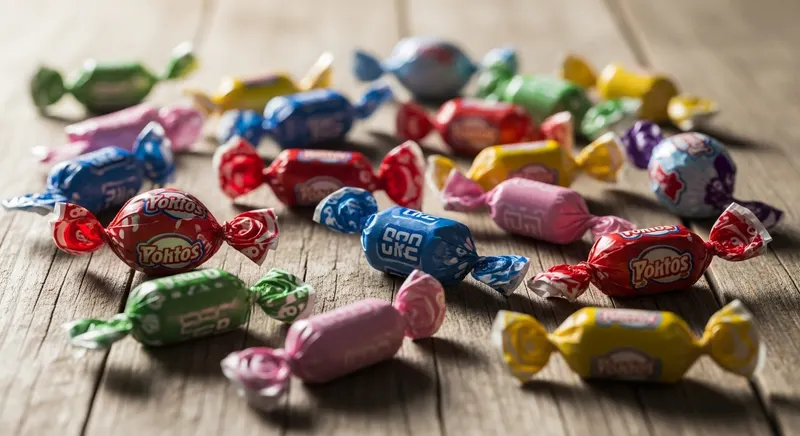
Candy wrapped promotional products have quietly become one of the most effective tools in the branded merchandise mix — and if you’re a reseller, marketing agency, or business buyer in Australia, understanding how they work could open up a surprisingly lucrative product category for your clients. Whether it’s individually wrapped lollies printed with a company logo, branded chocolate bars handed out at trade shows, or custom confectionery packed into promotional gift bags, candy wrapped products sit at that sweet spot between functional gifting and impulse engagement. They’re affordable, universally appreciated, and incredibly versatile across industries. But sourcing them well — and decorating them correctly — requires a bit of industry know-how.
What Does “Candy Wrapped” Actually Mean in Promotional Merchandise?
In the promotional products space, “candy wrapped” refers to confectionery items that have been custom-branded with printed packaging — most commonly through a custom-designed wrapper, label, or foil sleeve placed over a standard sweet or chocolate product. The candy itself doesn’t change; it’s the presentation that becomes your branding vehicle.
The most common formats include:
- Individually wrapped lollies — boiled sweets, mints, or hard candies in custom-printed twist wrappers
- Branded chocolate bars — standard-weight chocolate bars wrapped in a custom-designed foil or paper sleeve
- Custom mints in tins or boxes — small metal tins or slide-out boxes with branded lids
- Confectionery bags — mixed lollies or branded candy packs in printed poly bags
From a decoration standpoint, most candy wrapped products use digital printing on the wrapper or label — which is great news for resellers because it allows short-run orders, full-colour artwork, and even variable data printing for highly targeted campaigns. There are no screen printing setup fees to worry about, and PMS colour matching is generally achievable through quality print suppliers.
Key Details for Resellers to Understand
Minimum order quantities (MOQs) for candy wrapped products in Australia typically start around 100–250 units for simple label-wrapped items, though more complex custom foil-wrapped chocolates may have MOQs of 500 or more. Turnaround times are usually 7–14 business days once artwork is approved, but if your client needs something faster, check whether your supplier offers rush services — some can turn around simple wrapped lollies in as little as 5 business days.
Pricing varies significantly depending on the confectionery type, wrapper complexity, and quantity. As a rough guide, budget-tier individually wrapped mints might come in at around $0.50–$1.20 per unit at 250+ quantities, while custom chocolate bars with premium packaging could sit at $3.00–$6.00 per unit or more.
Why Candy Wrapped Products Perform So Well Across Industries
One of the reasons candy wrapped merchandise has maintained strong demand across Australian markets is its sheer versatility. Unlike a branded water bottle or a custom tote bag that might only appeal to specific buyer demographics, wrapped confectionery resonates with almost everyone. That universal appeal makes it a reliable go-to for a wide range of client sectors.
Corporate and Events
At Sydney or Melbourne trade show expos, branded wrapped mints on a display table are one of the most reliable foot-traffic tools a booth can deploy. Visitors pick them up, pocket them, and carry your client’s branding around the room. For conference organisers, custom candy wrapped products fit neatly into delegate satchels alongside items like personalised stationery and branded USB-A chargers.
Retail and FMCG
Retail clients often use candy wrapped products as point-of-sale impulse items or promotional giveaways tied to a product launch. A Brisbane-based FMCG company running a summer campaign, for example, might pair their branded chocolate bars with other summer promotional products to build a cohesive seasonal gift suite.
Real Estate and Property
Real estate agencies across Perth, Gold Coast, and Adelaide have long used small confectionery gifts — wrapped mints, chocolate pieces, or branded lolly bags — as open-home giveaways. They’re inexpensive, memorable, and keep the agency’s logo front of mind long after the inspection.
Hospitality and Tourism
Hotels, wineries, and tourism operators use custom-wrapped chocolates and mints at turndown service or as part of welcome packs. For resellers servicing the hospitality sector, this is a high-repeat-purchase category with relatively predictable seasonal demand.
Seasonal Gifting
Candy wrapped products absolutely shine in the lead-up to key retail and gifting seasons. As a Secret Santa gift idea or end-of-year client thank-you inclusion, a branded treat adds a personal, thoughtful touch that pens and notepads simply can’t replicate.
Sourcing Candy Wrapped Products: What to Look for in an Australian Supplier
Not all promotional confectionery suppliers are created equal, and for resellers especially, due diligence on your supply chain matters. Here’s what to evaluate when assessing potential partners.
Food Safety and Compliance
Unlike most promotional products, candy wrapped items are consumable — which means food safety compliance is non-negotiable. In Australia, any supplier manufacturing or repackaging confectionery must comply with Food Standards Australia New Zealand (FSANZ) requirements. Look for:
- Allergen declarations on all product packaging (nuts, gluten, dairy, soy)
- Batch codes and best-before dates printed on each item
- Safe food handling certifications from the manufacturing facility
- Halal or vegan options clearly identified where relevant
Failure to supply compliant products can expose your client (and by extension, you) to significant liability. Always request food compliance documentation before placing your first order.
Artwork Requirements
Most suppliers will accept artwork in AI, EPS, or high-resolution PDF format. For candy wrappers specifically, confirm the following before briefing your client’s designer:
- Wrapper dimensions (these vary by product and supplier)
- Bleed and safe zone requirements
- Minimum font size for legibility at print
- Whether CMYK or PMS colour matching is offered
It’s worth investing in a physical sample before committing to a large run — colour reproduction on metallic or glossy wrapper stock can differ from how artwork appears on screen.
Minimum Orders, Lead Times, and Storage
As noted above, MOQs start around 100–250 units for most lines, but ask your supplier about storage and shelf life, especially if your client is ordering in large volumes. Chocolate products in particular have temperature-sensitive storage requirements — something to flag clearly for clients in Darwin or Queensland where ambient warehouse temperatures can be extreme.
For resellers building ongoing client relationships, negotiating standing order agreements or staggered deliveries can help manage storage concerns and keep cash flow predictable.
Pairing Candy Wrapped Products With Other Merchandise
One of the most effective upsell strategies for resellers is to position candy wrapped confectionery as a component within a larger gift set or event pack. The perceived value of a branded gift suite rises dramatically when confectionery is included — and it rarely adds significant cost.
Some proven pairings include:
- Event pack bundles: Branded mints + personalised towels + custom stickers for sports events or community festivals
- Corporate gift hampers: Chocolate bars + insulated tote bags + personalised tea towels for end-of-year client gifting
- Trade show kits: Wrapped mints + flat water flasks + eco-friendly sustainable products for sustainability-focused exhibitors
- Summer campaign packs: Candy wrapped treats + tiny cooler bags + branded umbrellas wholesale for outdoor events
By positioning yourself as a full-service supplier rather than a single-product vendor, you increase average order value and build longer-term client loyalty.
Budgeting Tips for Resellers Ordering Candy Wrapped in Bulk
Understanding your margin structure is critical when reselling promotional confectionery. Here are a few practical principles to keep in mind:
- Factor in packaging beyond the wrapper — if your client needs the candy wrapped items boxed, carded, or poly-bagged, that’s a separate cost line
- Freight adds up — confectionery orders can be weighty and bulky; always cost in delivery, especially for interstate orders between Sydney, Melbourne, Perth, and Brisbane
- Shelf life affects your risk — if an order gets delayed or cancelled, you may be left holding stock with a limited use-by date; consider requiring a deposit on all confectionery orders
- Custom vs. stock artwork — many suppliers offer template-based customisation at lower cost than fully bespoke design; great for budget-conscious clients
If you’re looking to expand your product offering and need inspiration for complementary lines, check out our coverage of personalised shot glasses, custom soccer balls with logos, solar power banks, protein shaker bottles, and sublimation shirts — all of which can form part of a comprehensive branded merchandise catalogue.
Conclusion: Key Takeaways for Resellers Working With Candy Wrapped Products
Candy wrapped promotional products represent a genuinely strong addition to any reseller’s catalogue, provided you approach the category with the right operational knowledge and supplier diligence. Here’s what to carry forward:
- Candy wrapped confectionery is one of the most universally appealing promotional product formats, making it a versatile upsell across corporate, retail, events, and hospitality clients
- Food safety compliance is non-negotiable — always verify FSANZ compliance, allergen labelling, and food handling certifications before placing an order
- MOQs typically start at 100–250 units and digital printing enables full-colour, short-run custom wrappers with fast turnaround
- Pairing confectionery with other branded merchandise significantly increases perceived gift value and gives resellers a natural upsell conversation with clients
- Budget carefully for freight, packaging, and shelf life risks, especially on large or interstate orders, and consider requiring deposits to protect your margins
With the right supply chain relationships in place, candy wrapped products can become a reliable, repeat-purchase category that keeps clients coming back season after season.