
The Complete Guide to Embroidered Promotional Products for Australian Businesses
Discover how embroidered branding elevates promotional products in Australia. Tips on suppliers, MOQs, costs, and best products for businesses.

Written by
Amara Okafor
Branding & Customisation
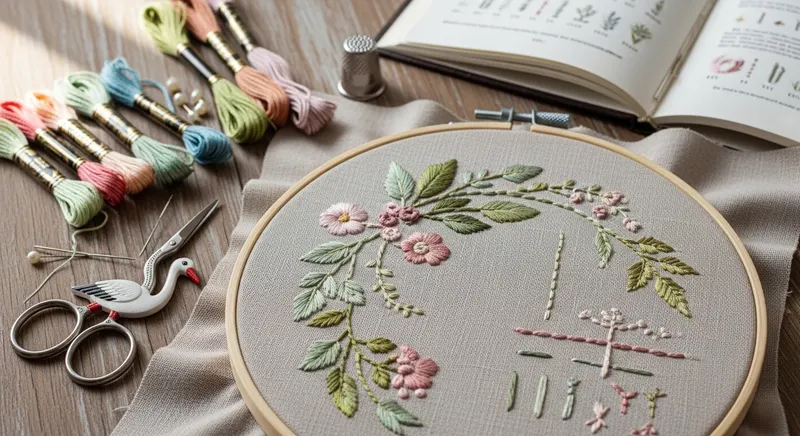
When it comes to making a lasting impression with branded merchandise, few decoration methods carry the same weight — literally and figuratively — as embroidery. Embroidered logos and text have a tactile quality that sets them apart from printed alternatives, communicating quality, professionalism, and longevity in a way that resonates with recipients long after the product lands in their hands. Whether you’re a marketing agency sourcing corporate uniforms for a Perth mining company, a reseller fulfilling a bulk order of caps for a Sydney sports club, or a business looking to outfit your Melbourne team in something that truly reflects your brand, understanding how embroidery works — and when to use it — is essential knowledge.
What Does “Embroidered” Actually Mean in the Promotional Products World?
In the context of branded merchandise, embroidered refers to a decoration method where thread is stitched directly into the fabric of a garment or textile product using a computer-controlled embroidery machine. The design is first digitised — converted from artwork into a stitch file that tells the machine exactly how to recreate your logo in thread. The result is a raised, textured finish that feels premium, looks sharp from multiple angles, and holds up exceptionally well through repeated washing.
This is quite different from screen printing or heat transfer, which sit on top of the fabric rather than being woven into it. If you’re weighing up your decoration options, it’s worth reading up on how sublimation printing works on shirts as a comparison point — sublimation produces vibrant, all-over prints but works best on polyester fabrics, whereas embroidery excels on cotton, polyester blends, and structured garments like caps and polos.
How the Digitising Process Works
Before a single stitch is laid down, your artwork needs to be converted into a stitch file — a process called digitising. This isn’t an automated conversion; it requires a skilled technician to map out stitch directions, densities, and underlay patterns that will translate your logo faithfully at the embroidered size. This is why setup fees for embroidery exist, and why complex multi-colour logos with gradients don’t always translate perfectly. Logos with clean lines, bold text, and a limited colour palette tend to work best.
Most suppliers charge a one-off digitising fee (typically between $30 and $100 depending on complexity), and that file is then reusable for future orders. If you’re working with a reseller model, always confirm who owns the digitised file — this matters when reordering from different suppliers down the track.
The Best Products for Embroidered Branding
Not every promotional product is suited to embroidery, but the ones that are tend to become wardrobe staples. Here’s where this decoration method genuinely shines.
Caps and Hats
Caps are arguably the most popular embroidered promotional product in Australia. The structured front panel of a classic five-panel or truckers-style cap provides the ideal canvas for a clean, raised logo. Caps are ordered in bulk by sporting clubs, tradies, real estate teams, and corporate groups alike — and for good reason. They’re highly visible, practical, and carry branding in a space (the forehead) that’s hard to miss.
Minimum order quantities for embroidered caps typically start at around 12–24 pieces, though many suppliers offer lower MOQs at a higher per-unit cost.
Polo Shirts and Workwear
Corporate polo shirts and hi-vis workwear are where embroidery earns its reputation as the go-to for professional uniform programmes. A left-chest logo on a polo shirt, stitched in the brand’s PMS-matched thread colours, creates a cohesive, polished look that printed alternatives rarely replicate as convincingly. For Queensland-based construction companies, a Perth resources business, or a Darwin healthcare provider, workwear that carries an embroidered logo communicates legitimacy and pride in the brand.
Beanies and Soft Goods
Beanies, scarves, and soft knit items are popular choices for winter merchandise campaigns — particularly in Melbourne, Canberra, and Hobart where the cooler months are felt more sharply. Embroidery sits beautifully on the flat front panel of a beanie and holds its shape even after extensive wear.
Bags
Tote bags, backpacks, and cooler bags can also be embroidered, provided they’re made from a suitable fabric weight. A cotton shopping tote with an embroidered logo looks substantially more premium than the same bag screen printed — a consideration worth making if you’re producing limited-edition merchandise or corporate gifts rather than mass giveaway items. Similarly, an insulated tote bag with stitched branding makes a thoughtful, reusable corporate gift that won’t end up at the back of a cupboard.
Understanding Embroidered Pricing and MOQs
Embroidery pricing is generally quoted per-stitch or by stitch count range, rather than by colour (unlike screen printing where each additional colour adds to the cost). This means a two-colour embroidered logo doesn’t cost significantly more than a one-colour version — though a very dense, detailed design with a high stitch count will cost more than a simple text-only logo.
Setup Costs
As mentioned, digitising is a one-off cost. Beyond that, most suppliers charge per-item for the embroidery itself, with bulk pricing tiers kicking in at higher quantities. Here’s a rough breakdown of what Australian resellers and businesses should expect:
- 12–23 pieces: Higher per-unit cost, sometimes $8–$15 per item above the blank product price
- 24–47 pieces: Mid-tier pricing, often where the per-unit cost starts to become commercially viable
- 48+ pieces: Pricing begins to drop meaningfully; this is the sweet spot for many corporate uniform orders
- 100+ pieces: Volume discounts become significant; negotiate hard at this level
Always ask suppliers whether their setup fee is waived on reorders — most reputable Australian suppliers will waive or heavily discount the digitising fee for repeat orders using the same file.
Turnaround Times
Standard turnaround for embroidered garments in Australia typically runs between 7 and 15 business days from proof approval. Rush turnarounds are possible but often attract a surcharge. If you’re working toward a conference, trade show, or product launch date, factor in proof review time and build in a buffer — especially if you’re ordering from interstate and goods need to be shipped to Sydney, Brisbane, or Adelaide.
When Embroidery Is — and Isn’t — the Right Choice
Embroidery is a premium decoration method, and it’s worth being honest about when it’s the best fit and when it’s not.
Embroidery works well when:
- The product is a garment or structured textile
- The logo has clean, bold lines with limited colour complexity
- You need the branding to hold up through frequent washing and heavy use
- You’re positioning the item as a quality uniform or corporate gift
- The recipient is expected to wear the item regularly (staff uniforms, sports kits, workwear)
Consider alternatives when:
- You need photographic detail or gradient colour fills — sublimation or digital printing will serve you better
- You’re decorating flat, non-fabric items like personalised tea towels or personalised towels where a different method may produce a cleaner finish
- Your budget is tight and print volume is high — screen printing is generally more cost-effective at large quantities
- The item is a one-off or very small run where setup costs can’t be spread across enough units
It’s also worth considering whether embroidery suits the product’s intended use. A water flask or branded water bottle wouldn’t be embroidered — those products suit laser engraving or pad printing. Similarly, stickers and stationery items obviously call for print-based methods. Matching the decoration method to the substrate is one of the fundamentals of good merchandise sourcing.
Choosing the Right Supplier for Embroidered Products
For resellers and marketing agencies, supplier selection for embroidered merchandise comes down to a handful of critical factors.
Digitising quality is paramount — a poorly digitised file will produce flat, distorted stitching that reflects poorly on your client’s brand. Always request a physical sample (a sewout) before approving a full order run. Reputable suppliers will provide a sewout for a nominal fee before committing to bulk production.
Thread colour accuracy matters too. Most embroidery suppliers work with Madeira, Isacord, or similar thread ranges, and can match to Pantone references within the available thread palette. Confirm thread colour codes before signing off on production — a navy that looks correct on screen may read differently in thread form.
Turnaround consistency is critical for resellers managing client expectations. Seek suppliers who can demonstrate reliable production timelines and transparent communication when delays occur.
Finally, consider whether your supplier can handle a broader product mix beyond embroidery alone. If you’re running a campaign that includes umbrellas with printed branding, solar power banks, or personalised shot glasses alongside embroidered apparel, working with a supplier who can coordinate the full order under one roof saves significant project management overhead. Check out the wider range of summer promotional products available in Melbourne for seasonal campaign ideas where embroidered items fit neatly alongside other branded products.
For eco-conscious clients, it’s also worth knowing that embroidery itself is a relatively sustainable decoration method — no inks, no chemical solvents, no heat-curing. Pair embroidery with sustainable product options like organic cotton garments or recycled fabric bags for a more environmentally considered merchandise offer.
Conclusion: Key Takeaways for Sourcing Embroidered Promotional Products
Embroidery remains one of the most trusted and respected decoration methods in the Australian promotional products industry — and for good reason. When applied to the right products with the right artwork, it produces branded merchandise that looks and feels genuinely premium.
Here are the key points to carry away from this guide:
- Digitising is a one-off investment — once your logo is converted to a stitch file, reordering is faster and cheaper; always confirm file ownership with your supplier
- Embroidery suits structured garments and textiles — caps, polos, beanies, workwear, and quality bags are the strongest candidates; avoid it for smooth, non-fabric substrates
- Stitch count drives pricing — complex, dense designs cost more per item; simplifying artwork can meaningfully reduce your per-unit cost
- Always request a sewout sample — approving a physical stitch sample before bulk production protects your clients and prevents costly remakes
- Match MOQs to your client’s budget and timeline — most suppliers find their pricing sweet spot around 48–100 pieces; smaller runs are possible but less cost-efficient
- Consider decoration method holistically — embroidered branding is one tool in the kit; matching the right method to the right product is what separates experienced resellers from the rest