
How to Run Effective Promotions Using Branded Merchandise in Australia
Discover how Australian businesses and resellers can use branded merchandise to run powerful promotions that build brand awareness and drive results.

Written by
Grant Ellison
Corporate Gifts
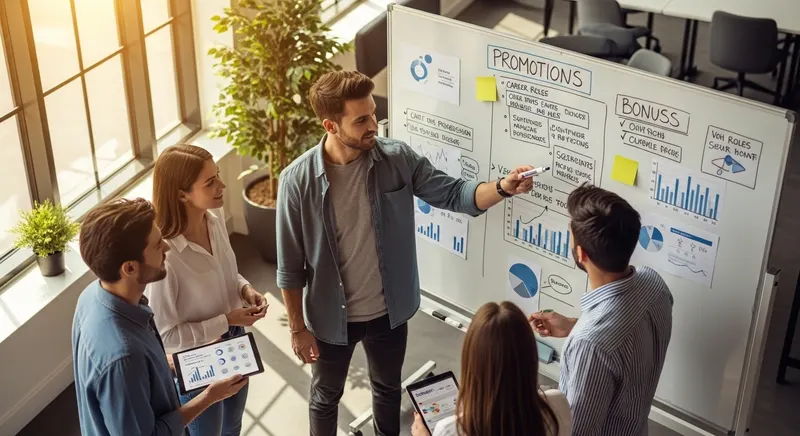
Running successful promotions in Australia requires more than a catchy tagline or a social media post. The most memorable brand experiences are tactile — they put something useful and well-designed directly into the hands of your audience. Branded merchandise has long been one of the most cost-effective tools in the promotional arsenal, and in 2026, the strategy is more sophisticated than ever. Whether you’re a marketing agency planning a product launch in Sydney, a reseller building out a client’s campaign in Melbourne, or a corporate team sourcing gifts for an upcoming conference on the Gold Coast, understanding how to leverage promotional products effectively can make the difference between a campaign people remember and one they forget by lunchtime.
Why Branded Merchandise Works So Well for Promotions
There’s a reason branded products have stood the test of time. Unlike digital ads that disappear the moment someone scrolls past, a well-chosen promotional product sticks around. A quality branded water bottle sits on someone’s desk for months. A custom tote bag gets carried to the markets every weekend. A personalised hoodie becomes a wardrobe staple. Each one of those interactions is an ongoing impression — for no additional cost.
Research consistently shows that promotional products generate higher recall rates than traditional advertising formats. Consumers who receive a branded item are significantly more likely to remember the business behind it and feel positively towards the brand. That’s not just feel-good theory; it directly translates to conversion rates, referrals, and long-term customer loyalty.
For resellers and marketing agencies in particular, this is a compelling story to tell clients. When you can demonstrate that a thoughtfully planned merch strategy outperforms a comparable spend in paid advertising — especially when it comes to longevity of impression — the business case practically writes itself.
The Link Between Product Choice and Campaign Success
Not every product suits every promotion. The key is alignment — between the product, the audience, and the campaign objective. A tech company launching a new app might distribute solar power banks at their launch event. A health brand running a wellness campaign might look at personalised shake bottles or branded water flasks that align with an active lifestyle message. A retail brand hosting a summer pop-up in Melbourne could make a huge impact with summer promotional products tailored to the season.
The products you choose should feel native to the audience’s life. When merchandise integrates naturally into someone’s daily routine, brand exposure follows organically — no extra effort required.
Planning Your Promotions: A Step-by-Step Approach
Getting promotions right requires planning well before you start thinking about product selection. Here’s how experienced marketing teams and resellers approach the process.
Define Your Objective First
Every promotional campaign needs a clear objective. Are you:
- Generating awareness at a trade show or event?
- Rewarding loyalty among existing customers?
- Driving engagement as part of a product launch?
- Building team culture internally with branded workwear?
- Sourcing gifts for the festive season or end-of-year thank-you moments?
The objective shapes everything — the product category, the budget per unit, the decoration method, and the timeline. A corporate client in Brisbane sourcing Secret Santa gifts for 200 employees has very different requirements to a Perth startup distributing merchandise at a trade expo.
Set a Realistic Budget
Promotional merchandise pricing in Australia varies considerably depending on product type, quantity, and decoration complexity. As a general guide:
- Budget tier (under $5 per unit): Ideal for high-volume event giveaways. Think branded stickers, pens, or basic totes.
- Mid-range ($5–$20 per unit): Strong sweet spot for most corporate promotions. Includes insulated tote bags, branded umbrellas, custom caps, and personalised tea towels.
- Premium ($20+ per unit): Best for VIP clients, high-value gifting, or campaigns where quality is part of the message. Think premium water bottles, branded tech accessories, or quality personalised towels.
Remember to factor in setup fees, which can range from $30 to $150 depending on the decoration method, as well as freight costs — especially for large orders being delivered to multiple locations across Australia.
Consider Minimum Order Quantities
MOQs are a critical consideration for anyone planning promotions. Most Australian promotional product suppliers require a minimum order, which can range from as few as 25 units for premium items to 250+ for budget-priced giveaways. If you’re a reseller managing a small business client with a limited budget, knowing your MOQs upfront allows you to have an honest conversation about what’s achievable without surprises down the line.
For agencies managing multiple clients simultaneously, consolidating orders across campaigns — even when the end-use differs — can sometimes unlock better pricing tiers.
Choosing the Right Products for Different Types of Promotions
One of the most common questions in this space is: “Which products actually perform?” The honest answer is that it depends on context. But there are some reliable performers worth highlighting.
Event and Conference Promotions
For conferences, expos, and large-scale events, you need products that are lightweight, easy to distribute, and genuinely useful. Shopping tote bags are a perennial favourite here — they serve a practical purpose at the event itself and continue to carry your brand long after. USB-A chargers and compact tech accessories also perform strongly in corporate event contexts.
If your client is running a sporting event or community day — say, a soccer tournament in Adelaide or a school sports carnival in Canberra — branded soccer balls and small cooler bags can be excellent, targeted giveaways that get used on the day and remembered afterwards.
Promotional Apparel Campaigns
Branded apparel is one of the highest-visibility promotional products available. A well-designed, quality garment is worn repeatedly — and every time it is, your brand gets exposure in the real world. For promotions focused on building brand recognition or team identity, look at:
- Custom t-shirts using sublimation printing for vibrant, all-over designs
- Branded trucker hats for outdoor events and lifestyle brands
- Hoodies and polos for corporate gifting or team uniforms
The decoration method matters here. Sublimation suits polyester garments and produces stunning full-colour results, making it ideal for sports and lifestyle brands. Embroidery, on the other hand, conveys quality and is the right choice for corporate wear and premium gifting.
Sustainable Promotional Products
Eco-conscious promotions are no longer a niche — they’re a mainstream expectation, particularly among younger demographics and organisations with ESG (environmental, social, and governance) commitments. If your client’s brand values include sustainability, it’s important that the merchandise reflects this. Explore sustainable promotional products including bamboo stationery, recycled totes, and reusable drinkware. Not only do these choices align with values-driven branding, but they often generate more positive sentiment with recipients.
Working with Suppliers: What Resellers and Agencies Need to Know
For resellers and agencies, your supplier relationship is foundational to delivering great promotions for your clients. A few key principles:
Lead time is everything. Rush orders are expensive and stressful. Most quality promotional products require 10–15 business days from artwork approval to delivery — longer for complex items or large quantities. Always add buffer time for client approval cycles.
Artwork quality determines decoration quality. Vector files (AI, EPS, or high-resolution PDF) are the standard requirement. Educate your clients early so you’re not chasing low-resolution logos at the last minute.
Request samples before committing to large runs. For significant campaigns, a pre-production sample protects everyone — your client, your reputation, and the supplier relationship.
Understand PMS colour matching. For clients with strict brand guidelines, PMS colour matching ensures consistency across all branded items. This is particularly important for screen printing and pad printing applications.
Novelty items have their place — but quality wins long-term. Products like personalised shot glasses might work brilliantly for a hospitality client’s promotion, while they’d be completely wrong for a corporate financial services campaign. Context is everything.
Measuring the Impact of Your Promotions
One challenge with branded merchandise is attribution — it can be harder to measure directly than a digital campaign. However, there are practical approaches:
- Use unique discount codes or landing page URLs printed on merchandise inserts
- Survey recipients at events to gauge recall and sentiment
- Track website traffic spikes around distribution periods
- Monitor social media mentions when branded products encourage user-generated content
The more data you can bring to post-campaign reporting, the stronger your case for continued or expanded merch investment — and the more credible you become as a strategic partner to your clients.
Conclusion: Key Takeaways for Running Smarter Promotions
Promotional products remain one of the most enduring and effective tools for building brand awareness and driving genuine engagement. When chosen strategically and delivered with quality, they create tangible connections that digital channels alone simply cannot replicate.
Here are the five things to remember as you plan your next promotions:
- Align product selection with your audience and campaign objective — relevance is the single biggest driver of impact.
- Plan your budget carefully, accounting for unit cost, setup fees, and freight, and always clarify MOQs early.
- Lead time is critical — start the sourcing process at least four to six weeks before your delivery deadline to avoid costly rush fees.
- Artwork quality and decoration method choice directly affect the final result — invest time in getting these right from the start.
- Measure what you can — even basic tracking helps demonstrate ROI and strengthens client relationships over time.
Whether you’re coordinating a large-scale conference in Sydney, managing an agency client’s product launch in Brisbane, or sourcing seasonal gifts for a Melbourne corporate team, the right promotional merchandise strategy will always outperform a scattergun approach. Take the time to plan, choose quality products that earn their place in people’s lives, and partner with suppliers who understand the difference between merchandise that gets binned and merchandise that builds brands.