
Promotional Recipe Cards: The Unique Branded Gift That Keeps on Giving
Discover how promotional recipe cards can elevate your branded merchandise strategy. Tips on suppliers, decoration, MOQs & audience fit.

Written by
Riley Monk
Custom Apparel
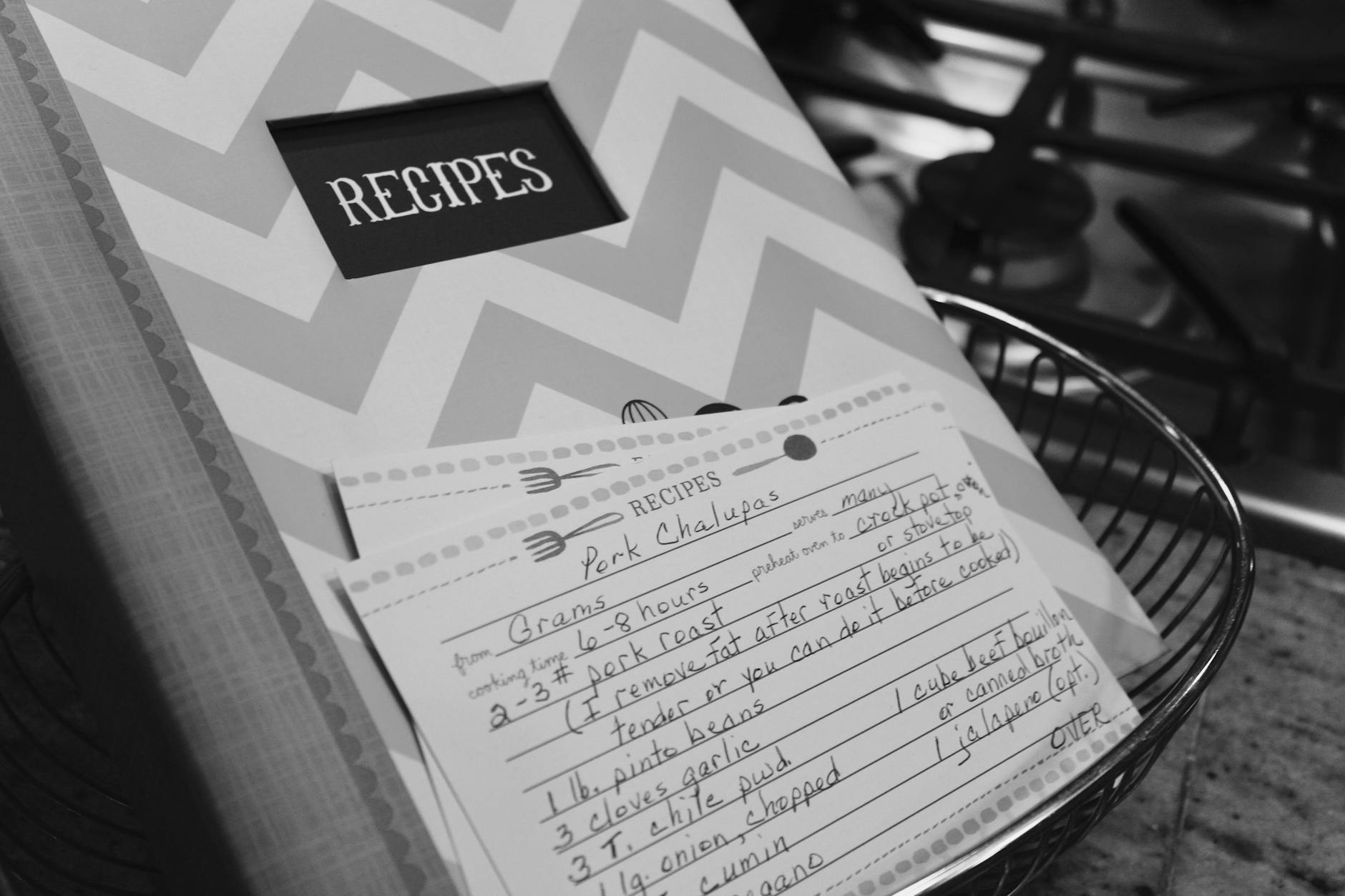
Promotional recipe cards might not be the first thing that comes to mind when brainstorming branded merchandise — but that’s exactly what makes them so effective. In a market saturated with pens, tote bags, and lanyards, a beautifully designed recipe card set cuts through the noise and lands in the hands (and kitchens) of your target audience. For Australian businesses, marketing agencies, and promotional product resellers looking to source something genuinely useful and memorable, promotional recipe cards offer a compelling combination of practicality, personalisation potential, and long-term brand visibility. This guide covers everything you need to know before placing an order.
Why Promotional Recipe Cards Work as a Marketing Tool
Think about how long a branded pen stays in rotation — maybe a week, maybe a month. Now think about a well-designed recipe card set. If someone actually uses those cards, they’re reaching for them repeatedly, displaying them on their benchtop, and handing them to friends and family. That’s repeated brand exposure from a single product.
This kind of organic visibility is exactly what marketers are chasing, and recipe cards deliver it in a way that few other promotional products can. They sit comfortably in the “home and lifestyle” category, which means they connect with people in their personal space — arguably one of the most powerful places for a brand to be.
For resellers sourcing products for clients in the food, health, real estate, or FMCG sectors, recipe cards tick a specific box: they’re genuinely useful. Consumers are far more likely to keep and use something that improves their daily life. According to the broader promotional products industry data we’ve explored in our Australian promotional products industry report, utility remains one of the highest predictors of how long a branded item is retained.
Who Uses Promotional Recipe Cards?
The appeal is broader than most people expect. Common buyers include:
- Supermarkets and grocery chains promoting seasonal produce or new product ranges
- Cooking schools and culinary brands across Sydney, Melbourne, and Brisbane
- Health and wellness brands distributing recipes alongside supplements or meal prep products
- Real estate agencies including recipe card sets in housewarming packs (similar to how personalised door mats have become a popular real estate gift — see our post on personalised door mats for property management companies)
- Charities and community organisations using recipe cards for fundraiser campaigns or awareness drives
- Corporate gifting at Christmas or Easter, paired with hampers or promotional fruit boxes
- Mothers’ Day campaigns, where a branded recipe card set makes a thoughtful and affordable inclusion — worth reading our guide on Mother’s Day branded gifts for suppliers
- Councils and government agencies promoting healthy eating initiatives or culturally significant cuisine
The audience diversity here is genuinely impressive, which is great news for resellers who work across multiple industries.
Design Options and Customisation Methods for Recipe Cards
One of the reasons promotional recipe cards are such a strong product category is the sheer flexibility in how they can be customised. Let’s break down the most common approaches.
Digital Printing
Full-colour digital printing is the most popular decoration method for recipe cards, and for good reason. It allows vibrant, photographic-quality imagery — think beautiful food styling shots, ingredient illustrations, or bold brand colour schemes. For clients who want something visually stunning, digital printing delivers.
If you’re sourcing for a Melbourne-based client, it’s worth partnering with suppliers who offer digital printing services in Melbourne and can produce consistent colour accuracy across large print runs.
Pad Printing
For simpler, single-colour or limited-colour logo applications on card backs or matching packaging, pad printing is an efficient and cost-effective choice. Brisbane-based resellers in particular might explore local options for pad printing services in Brisbane when working with clients who need fast turnaround on straightforward branding.
Laser Engraving on Packaging
Some recipe card sets come in wooden or bamboo boxes, tins, or acrylic holders. Laser engraving on these components adds a premium touch — particularly relevant for corporate gift clients. Our post on laser engraved smart tags in Australia gives a good overview of what’s possible with laser decoration, and the same principles apply to packaging for gift sets.
Eco-Friendly Material Options
There’s growing demand across Australia for sustainable alternatives, and recipe cards are no exception. Recycled card stock, FSC-certified paper, and even seed paper versions are all available through specialist suppliers. Seed paper recipe cards that can be planted after use are a particularly clever concept — one that aligns beautifully with eco-conscious brands. You can explore similar sustainable concepts in our post about eco-friendly seed paper business cards and bookmarks.
For clients with strong sustainability credentials — such as those already sourcing ocean plastic recycled office supplies — eco-recipe cards are a natural fit.
Practical Sourcing Considerations for Resellers and Businesses
Before you approach a supplier or begin briefing a client, there are several practical factors worth understanding.
Minimum Order Quantities (MOQs)
MOQs for promotional recipe cards typically start around 100–250 units for digital print runs, though this varies significantly depending on the format. A simple A5 double-sided card set will have a lower MOQ than a boxed set with custom dividers and packaging.
For volume corporate orders — say, a Sydney-based FMCG brand ordering for a national retail promotion — MOQs of 500 to 5,000+ become more relevant and unlock significantly better per-unit pricing.
Format and Size Options
Recipe cards come in a wide range of formats:
- Single A5 or A6 cards — cost-effective, great for seasonal recipe handouts at point of sale
- Boxed recipe card sets — higher perceived value, suited to corporate gifts and premium campaigns
- Recipe booklets or saddle-stitched mini books — excellent for brands with a broader recipe library or product range to showcase
- Spiral-bound collections — practical for cooking use, as they lay flat on a benchtop
Turnaround Times
Standard turnaround for digitally printed recipe cards typically runs 10–15 business days from artwork approval. Rush orders can sometimes be accommodated in 5–7 business days at a premium. Always factor in shipping time to metro and regional areas — something especially relevant for clients in Darwin or outer Perth, where logistics can add a few extra days.
Artwork Requirements
Clients should supply artwork at 300 DPI minimum for print quality, in CMYK colour mode. If PMS (Pantone) colour matching is required for brand consistency, confirm this with your supplier early in the process. Most reputable suppliers will provide a digital proof before going to print — always insist on this step to avoid costly reprints.
Pairing Recipe Cards with Complementary Promotional Products
Recipe cards shine even brighter when bundled with related products. Consider recommending these pairings to your clients for maximum campaign impact:
- Branded drinkware — a recipe card set paired with a branded keep cup or water bottle creates a cohesive wellness-themed gift set. Explore the options available through our glassware and bottles guide
- Branded stubby holders — for a BBQ or outdoor entertaining theme, recipe cards for grilling or summer salads alongside custom stubby holders make a great combination for Sydney-based campaigns
- Outdoor games — for summer promotional campaigns, pairing recipe cards with custom outdoor games creates a full entertaining package
These kinds of curated gift sets often represent higher order values for resellers and a more polished experience for end recipients.
Targeting Specific Industries and Campaigns
For resellers working with Western Sydney businesses in the food retail or hospitality space, recipe cards can be a surprisingly effective community engagement tool — particularly around multicultural food events and market promotions. Our post on promotional products for Western Sydney businesses explores how local businesses can leverage branded merchandise for community connection.
Recipe cards also translate well to trade show environments. A food brand exhibiting at a Brisbane trade show might distribute branded recipe cards alongside product samples — a tactile, useful alternative to the standard flyer. For broader trade show merchandise strategy, see our guide to event merchandise for trade shows in Brisbane.
Budgeting for a Recipe Card Promotion
Here’s a rough cost guide to help you set expectations with clients:
| Format | Typical MOQ | Approximate Cost Per Unit |
|---|---|---|
| A5 single card (full colour, both sides) | 250 | $0.80–$1.50 |
| A6 card set (6–8 cards, loose) | 100 | $3.00–$6.00 |
| Boxed card set (20–30 cards + box) | 100 | $12.00–$22.00 |
| Spiral-bound booklet (12–16 pages) | 250 | $5.00–$9.00 |
These figures are indicative and will vary based on card stock weight, finish (gloss, matte, soft-touch laminate), print complexity, and packaging. Always request itemised quotes from multiple suppliers before committing.
Key Takeaways
Promotional recipe cards are a standout option in the home and lifestyle product category — here’s what to keep in mind:
- Utility drives retention — recipe cards are genuinely used and displayed, delivering long-term brand visibility that throwaway products simply can’t match
- Flexibility in format and customisation — from single A5 cards to premium boxed sets with laser-engraved packaging, the range of options suits a wide variety of budgets and campaigns
- Strong cross-industry appeal — food brands, real estate agencies, health companies, and corporate gifting clients are all valid targets for resellers pitching this product category
- Bundle for higher value — pairing recipe cards with complementary products like drinkware, stubby holders, or outdoor accessories elevates the campaign and increases order value
- Plan for lead time and artwork — allow at least 15 business days from brief to delivery, ensure 300 DPI CMYK artwork is ready, and always request a proof before going to print
Promotional recipe cards are one of those rare products that make both the marketer and the recipient genuinely happy. For resellers and agencies looking to expand their offering with something distinctive and practical, they deserve a prominent place in your product catalogue.