
Promotional Grocery Bags: The Complete Australian Buyer's Guide for 2026
Discover how to source, customise and order promotional grocery bags in Australia. Expert tips for resellers, businesses and marketing agencies.

Written by
Issac Oteng
Bags & Totes
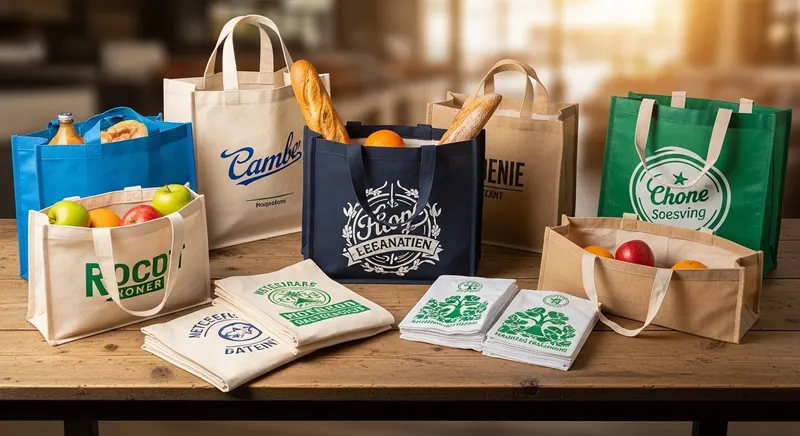
Few promotional products tick as many boxes as the humble grocery bag. It’s practical, reusable, visible in high-traffic environments, and — when branded well — turns every trip to the supermarket into a walking advertisement for your client’s business. Whether you’re a marketing agency putting together a branded merchandise package, a reseller looking to expand your product offering, or a business planning a large-scale campaign, promotional grocery bags deserve serious consideration in your 2026 strategy. This guide covers everything from product types and decoration methods to MOQs, turnaround times, and how to get the most out of your order.
Why Promotional Grocery Bags Are One of Australia’s Most Effective Branded Products
The data speaks for itself. Reusable bags are among the most frequently used promotional items across Australia. Think about the daily rhythm of life in Sydney, Melbourne, Brisbane, and Perth — people are visiting supermarkets, farmers’ markets, and specialty grocers multiple times a week. A well-made branded grocery bag travels into those spaces repeatedly, delivering impressions at a cost per contact that very few other promotional products can match.
Beyond the marketing value, there’s a genuine consumer demand for reusable bags. Since single-use plastic bag bans swept across Australian states and territories, reusable grocery bags have become a household staple. This means branded versions aren’t just accepted — they’re actively welcomed. Recipients use them because they need them, not just because they received them as a freebie.
For resellers and marketing agencies, this is a particularly compelling category. The price points are accessible, the MOQs are manageable, and the customisation options are broad enough to suit clients in virtually every sector — from a Gold Coast real estate agency to a Canberra government department running a sustainability initiative.
It’s also worth reading our guide on reusable bags for grocery shopping if you want a deeper look at product variants specifically suited to the grocery context, and our overview of promotional shopping bags for a broader view of the category.
Types of Promotional Grocery Bags Available in Australia
Understanding the different product types is the first step to making a smart sourcing decision. Not all grocery bags are created equal, and the right choice depends on your client’s brand, budget, and end-use.
Non-Woven Polypropylene Bags
These are the workhorses of the promotional bag world. Lightweight, affordable, and available in a wide range of colours, non-woven PP bags are the go-to choice for high-volume campaigns. They handle screen printing and heat transfer decoration particularly well, making large logo placements easy and cost-effective.
Typical MOQs start at around 100 units, and pricing can drop significantly at 500+ units, making them ideal for events, trade shows, and retail activations. Turnaround times generally sit between 10 and 15 business days for standard orders, though rush options are available with some suppliers.
Cotton and Canvas Tote Bags
For clients who want to communicate quality, sustainability, and style, cotton and canvas grocery bags are an excellent upgrade. Natural cotton totes lend themselves beautifully to screen printing and embroidery, giving your branding a tactile premium feel. They’re particularly popular with health food stores, boutique retailers, and eco-focused brands.
Canvas totes tend to have slightly higher base costs than non-woven alternatives, but the perceived value is considerably higher. Recipients are also more likely to keep and use a well-made cotton bag over a longer period, which extends the promotional lifespan of the item.
For related product inspiration, explore our article on the shopping tote and see how different design approaches affect shelf appeal.
Insulated and Cooler Grocery Bags
Insulated grocery bags solve a real problem — keeping cold items cold on the journey home. This added functionality makes them a premium gifting option, especially for food and beverage brands, health brands, and corporate gifting programmes.
The thermal lining typically consists of PEVA or aluminium foil, and they can be decorated via screen printing or heat transfer on the outer face. If your client is in the healthcare, fitness, or food service space, these bags can carry a strong brand message while delivering genuine daily utility. Take a look at our insulated tote bag guide and our breakdown of the tiny cooler bag format for more options in this space.
Recycled and Eco-Friendly Grocery Bags
Sustainability credentials matter more than ever to Australian consumers and organisations. Bags made from recycled PET (rPET), jute, bamboo fibre blends, or organic cotton allow brands to back their sustainability messaging with a product that genuinely supports it.
For a Melbourne council running a community sustainability campaign or an Adelaide not-for-profit promoting zero-waste living, an eco-certified promotional grocery bag is both a practical and symbolic choice. These products typically command a small price premium, but they’re increasingly sought after by organisations with environmental commitments in their branding strategy.
Decoration Methods: Getting Your Branding Right
The decoration method you choose affects cost, colour accuracy, and the overall look of the finished product. Here’s a quick breakdown of the most common options for promotional grocery bags.
Screen printing is the most popular choice for non-woven and cotton bags. It delivers vibrant, durable colours at a competitive price point, especially for orders of 200+ units. Setup fees apply per colour, so designs with fewer colours keep costs down. PMS colour matching is available with most reputable suppliers, which is essential for brands with strict colour guidelines.
Heat transfer works well for complex, multi-colour artwork or photographic-style designs. It’s more flexible in terms of design complexity but can be slightly less durable than screen printing on heavy-use bags.
Embroidery is suited to canvas and cotton bags where a premium, textured finish is desired. It adds perceived value but works best with simpler, bolder logos. Fine detail and small text can be challenging at smaller embroidery sizes.
Sublimation opens up the possibility of full-colour, edge-to-edge designs on certain fabric types. Check out our guide to shirts with sublimation for a broader understanding of how this method works across fabric products — the same principles apply to bags.
Artwork Requirements and Proof Approval
One of the most common delays in bag orders comes from artwork that isn’t print-ready. As a reseller or agency, getting this right upfront saves time, protects your client relationship, and ensures the final product matches expectations.
Most suppliers require vector artwork in either AI, EPS, or PDF format for screen printing and embroidery. Raster files like JPGs or PNGs are generally only acceptable for digital or heat transfer processes, and even then, they should be supplied at 300 DPI or higher at the intended print size.
Insist on a digital proof before approving any order. Reputable suppliers will provide a mock-up showing the logo placement, size, and colour on the bag. Review it carefully — check brand colours, proportions, and whether the placement makes sense on the specific bag style selected.
Budgeting and Minimum Order Quantities
Promotional grocery bags suit a wide range of budgets. For a rough guide:
- Non-woven PP bags (single colour print): from approximately $2.50–$4.50 per unit at 250+ units
- Cotton tote bags (single colour print): from approximately $5.00–$9.00 per unit at 250+ units
- Insulated cooler grocery bags: from approximately $8.00–$16.00 per unit at 100–250 units
- Eco-friendly/rPET bags: pricing varies widely based on material and certification, typically $6.00–$12.00 per unit
Always factor in setup fees (usually $50–$150 per colour/position) when quoting clients, particularly at lower quantities where setup costs represent a larger share of the total.
For resellers bundling multiple products into a corporate gifting package, promotional grocery bags pair naturally with items like branded water bottles, personalised towels, or promotional recipe cards — a compelling combination for food and lifestyle brands.
Pairing Grocery Bags with Complementary Products
Savvy resellers know that promotional grocery bags rarely perform best in isolation. Building a themed pack dramatically increases the perceived value of the merchandise and opens up larger order opportunities.
For a health and wellness brand, combine a branded grocery bag with a flat water flask and a protein shake bottle for a cohesive kit that speaks directly to the target audience.
For a corporate end-of-year gift, consider pairing an insulated grocery bag with a set of personalised shot glasses or a solar power bank for a more elevated gifting experience.
If you’re putting together a summer promotional campaign — particularly relevant for brands in Brisbane, the Gold Coast, or Perth — explore our guide to summer promotional products in Melbourne for seasonal bundle ideas that complement grocery bags perfectly.
You might also consider adding smaller branded items like custom stickers or a branded USB stick to complement a bag-centred merchandise kit.
Finding the Right Supplier for Promotional Grocery Bags
Not all promotional product suppliers are created equal, and choosing the right one matters — especially for resellers who need reliability, consistent quality, and responsive communication.
Key things to look for when sourcing promotional grocery bags include:
- Sample availability: Can you order a pre-production or catalogue sample before committing to a full run?
- Colour accuracy: Do they offer PMS matching, and can they provide colour proof samples?
- Production transparency: Are they clear about where the product is made and what materials are used?
- Certifications: For eco products, do they carry relevant certifications (e.g., GOTS for organic cotton, GRS for recycled materials)?
- Lead times: Can they meet your client’s deadline, including shipping to locations like Darwin or Hobart where freight takes longer?
For resellers managing multiple clients, building a preferred supplier list for grocery bags — covering different price tiers and lead time requirements — is a smart business practice.
Conclusion: Key Takeaways for Ordering Promotional Grocery Bags in 2026
Promotional grocery bags remain one of the most versatile, cost-effective, and well-received branded merchandise options available to Australian businesses and resellers. Whether you’re sourcing affordable non-woven bags for a high-volume campaign or premium insulated bags for a corporate gifting programme, the fundamentals remain the same: know your product, get your artwork right, choose the right decoration method, and work with a reliable supplier.
Here are the key takeaways to keep in mind:
- Choose product type based on client goals — non-woven for volume and affordability, cotton or eco-friendly bags for sustainability messaging, insulated bags for premium gifting
- Always supply vector artwork and insist on a digital proof before approving production
- Factor in setup fees when building quotes, especially for lower-quantity orders
- Bundle strategically — pairing grocery bags with complementary products increases order value and campaign impact
- Verify supplier credentials around lead times, PMS matching, and eco certifications before committing to a supplier for client work
- Consider the full distribution context — turnaround times and freight costs vary significantly between capital cities and regional or remote Australian locations
With the right approach, promotional grocery bags can form the backbone of effective, long-lasting brand campaigns across virtually every sector in Australia.