
Printing on Mugs in Australia: The Complete Guide for Businesses and Resellers
Everything you need to know about printing on mugs in Australia — decoration methods, MOQs, costs, and supplier tips for businesses and resellers.

Written by
Declan Foley
Drinkware
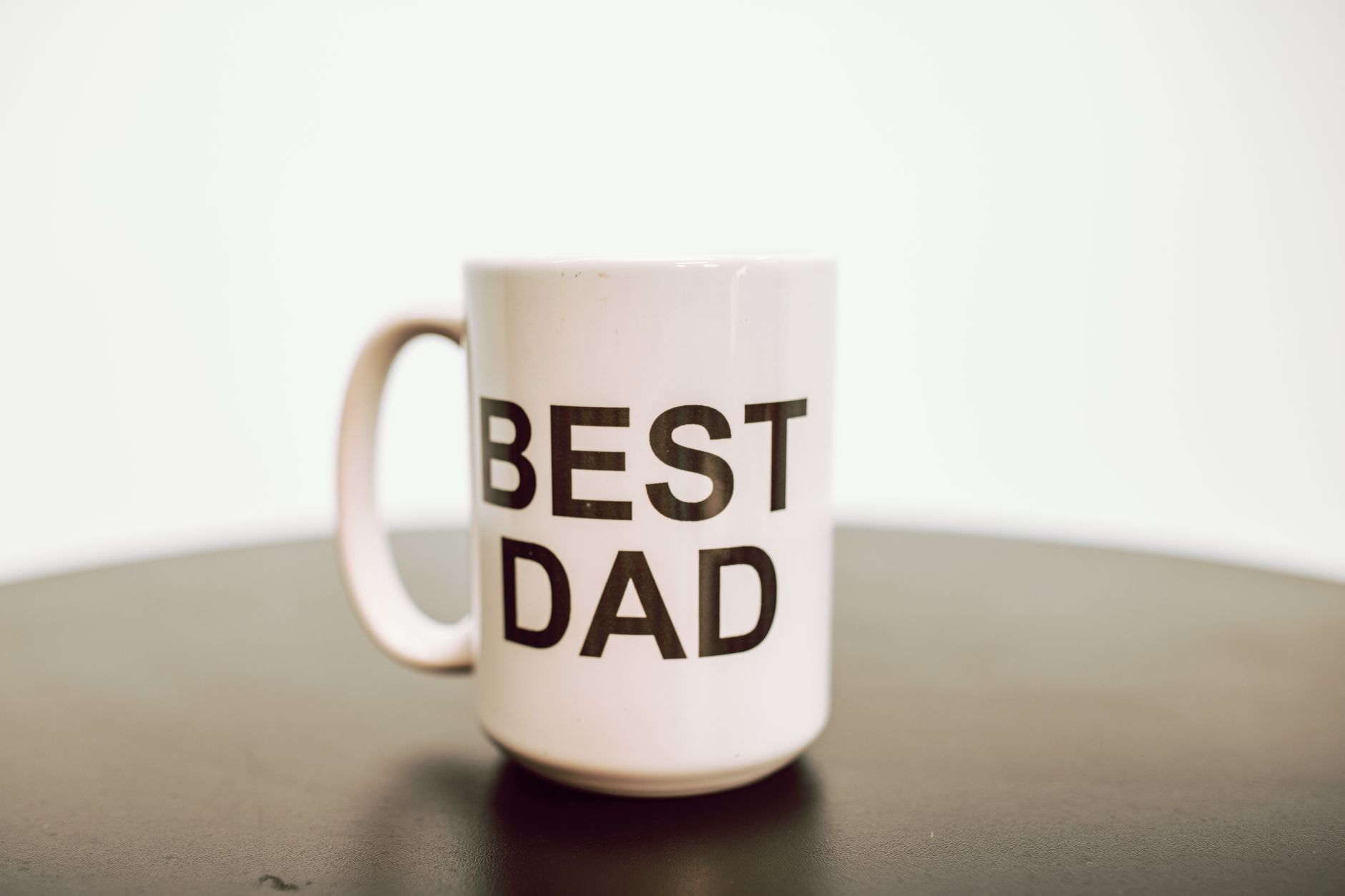
There are few promotional products as universally appreciated as a well-made, well-branded mug. Whether it’s sitting on a desk in a Sydney CBD office, warming hands at a Melbourne conference, or being packed into a welcome kit for a Perth onboarding program, a custom-printed mug delivers daily impressions in a way very few other items can match. But printing on mugs is a category with more complexity than most people realise. From choosing the right decoration method to understanding ceramic versus enamel versus glass options, there’s a lot to navigate — especially if you’re a reseller, marketing agency, or procurement manager looking to get the best outcome for your client. This guide breaks down everything you need to know about printing on mugs in Australia.
Why Branded Mugs Remain One of the Most Popular Promotional Items
Before we dig into the mechanics of printing on mugs, it’s worth understanding why this product category continues to thrive in 2026. Unlike many promotional items that get tossed into a drawer or end up in a bin, mugs are functional. People use them every single day. That means your client’s logo or message gets seen repeatedly — by the recipient, by their colleagues, and by anyone else in their workspace.
According to insights from the Australian promotional products industry report, drinkware consistently ranks among the top-performing merchandise categories by both volume and brand recall. That’s not surprising when you consider the daily touchpoints a mug generates over its lifespan.
Mugs also sit comfortably in a wide range of use cases:
- Corporate gifting: Branded mugs make thoughtful, budget-friendly additions to onboarding kits or end-of-year gift sets, often paired with items like personalised letter trays for corporate gifting or promotional padfolio notebooks.
- Events and conferences: Mugs with event branding create a lasting memento.
- Wellness programs: Organisations running promotional merchandise for wellness retreats often include custom mugs as part of their product mix.
- Retail merchandise: Custom mugs are a popular product for artists, brands, and small businesses building a merchandise range.
Understanding Decoration Methods for Printing on Mugs
This is where many buyers get confused — and where resellers can really add value by guiding their clients. There is no single “best” method for printing on mugs. The right choice depends on the mug substrate, the artwork, the order quantity, and the intended use. Here’s a breakdown of the most common approaches used by Australian suppliers.
Sublimation Printing
Sublimation is one of the most popular methods for full-colour mug decoration in Australia. The process uses heat and pressure to transfer dye directly into the surface of a specially coated mug — the ink becomes part of the mug rather than sitting on top of it. This results in vivid, photorealistic imagery that won’t peel, crack, or fade with normal use and dishwashing.
Key things to know:
- Sublimation works only on polymer-coated mugs, typically white or light-coloured
- It’s ideal for full-wrap designs, gradients, photos, and complex artwork
- Minimum order quantities (MOQs) can be as low as 1–12 units, making it viable for small runs
- Turnaround is typically 5–10 business days for standard orders
Sublimation is a go-to method for retail merchandise, personalised gifts, and event items where visual impact matters.
Pad Printing
Pad printing is a tried-and-true method for single or limited-colour logo applications on mugs. A silicone pad picks up ink from an etched plate and transfers it onto the curved surface of the mug. It’s precise, cost-effective at volume, and well-suited to corporate branding applications where a clean, single-colour logo is the goal.
Key things to know:
- Typically best for 1–4 spot colours
- Not suitable for photographic imagery or complex gradients
- MOQs commonly start at 72–150 units for factory runs
- Very cost-effective per unit at volumes above 100 pieces
- PMS colour matching is generally available
Laser Engraving
Laser engraving is used primarily on enamel mugs, stainless steel mugs, and ceramic mugs with a suitable coating. The laser removes material from the surface to reveal the base substrate below, creating a permanently etched design.
This method creates a premium, tactile finish that works exceptionally well for high-end corporate gifting. It’s worth noting that the result is monochrome — no colour can be applied through laser engraving alone.
Digital Printing
Digital printing (sometimes called direct printing or inkjet printing on ceramics) is an emerging method that allows for high-resolution, full-colour artwork without the need for sublimation coating. It’s growing in availability across Australian suppliers and is suitable for premium ceramic mugs where a traditional look is preferred.
Heat Transfer / Decal
This method involves printing designs onto special transfer paper and then applying them to mugs using heat. It bridges the gap between pad printing and full sublimation, and is sometimes used for shorter runs or specific artwork types. Durability can vary, so it’s worth confirming with your supplier whether the finished product is dishwasher safe.
Choosing the Right Mug Substrate
The decoration method is only half the equation. The mug itself matters just as much. Here’s a quick overview of the most common options.
Ceramic Mugs
The classic choice. Ceramic mugs are affordable, widely available, and compatible with pad printing, digital printing, and sublimation (on coated versions). They come in a vast range of shapes, sizes, and colours. Standard capacities range from 200ml to 450ml. A Brisbane marketing agency might use white ceramic mugs for a client’s staff onboarding kit — cost-effective, practical, and easy to brand.
Enamel Mugs
Enamel mugs have had a significant resurgence in popularity, particularly in the outdoor, wellness, and hospitality sectors. They pair beautifully with laser engraving and screen printing. Suppliers in Melbourne and Sydney have seen strong demand from cafes, retreat centres, and lifestyle brands.
Stainless Steel and Insulated Mugs
Travel mugs and insulated mugs blur the line between mug and keep cup. These sit closer to the broader branded water bottles and drinkware category and are often decorated via laser engraving or pad printing.
Glass Mugs
Glass mugs offer a premium, contemporary aesthetic and are often decorated via screen printing or decal. They’re popular for conference gifting at higher budget tiers.
Practical Tips for Resellers Ordering Printed Mugs
If you’re a reseller or marketing agency managing mug orders on behalf of clients, these practical considerations will help you avoid common pitfalls.
Artwork Preparation
- Provide vector artwork (AI, EPS, or high-resolution PDF) wherever possible
- For sublimation, RGB colour profiles produce more vibrant results; for pad printing, confirm PMS references
- Always account for the mug’s handle position when designing the print area — this affects whether the logo is visible when the mug is held
Sampling
For any order above 250 units, it’s worth requesting a pre-production sample. This is especially important for sublimation orders where colour accuracy on the actual product can differ from a screen proof.
MOQ and Budget Planning
- Small runs (under 50 units): Sublimation is typically the best value
- Medium runs (50–150 units): Pad printing or sublimation depending on artwork complexity
- Large runs (150+ units): Pad printing or digital printing offer the best per-unit cost
Resellers sourcing promotional items with logo for corporate clients often find that mugs offer strong margins at mid-to-high volumes, particularly when bundled with complementary products.
Turnaround Times
Standard factory turnaround for printed mugs in Australia is typically 10–15 business days once artwork is approved. Rush production (5–7 business days) may be available at additional cost. Always build in lead time for proof approvals, especially for first-time clients.
If you’re sourcing merchandise for events, consider the full timeline — from brief to delivery — particularly when ordering alongside other items like personalised event wristbands or personalised lanyards.
Common Use Cases and Industry Applications
Understanding who’s buying printed mugs — and why — helps resellers position and upsell more effectively.
Corporate businesses: Staff onboarding kits, client Christmas gifts, team celebration packs. Mugs pair well with personalised wireless keyboards for corporate gifts in premium gift bundles.
Education: Universities, TAFEs, and schools regularly order branded mugs for orientation packs, alumni merchandise, and staff gifts. A Canberra university might order 500 ceramic mugs for O-Week welcome bags.
Government and councils: Mugs appear frequently in community engagement kits and internal staff recognition programs, often alongside promotional products for Western Sydney businesses or similar regional campaigns.
Hospitality and wellness: Enamel mugs and high-quality ceramic mugs are popular for retreat centres, gyms, and cafes. This overlaps with the market for shake bottles for protein and other branded drinkware for health-focused organisations.
Events and festivals: Custom mugs are used as merchandise, prizes, and eco-friendly alternatives to disposable cups at outdoor events, particularly in summer. Melbourne event organisers often bundle mugs with other summer promotional products for seasonal campaigns.
Retail and lifestyle brands: Artists, illustrators, and emerging brands often start with sublimation mugs due to low MOQs and strong visual output.
What to Look for in an Australian Mug Printing Supplier
Not all suppliers are created equal. When evaluating a mug printing partner, consider:
- Production capability: Can they handle your required decoration method in-house, or are they outsourcing?
- Mug range: Do they offer a variety of substrates, shapes, and capacities?
- Colour accuracy: Can they provide PMS matching for pad printing or accurate sublimation proofs?
- Turnaround consistency: Do they have a track record of meeting deadlines?
- Packaging options: Can they individually box mugs for gift sets or retail?
- Eco credentials: Do they offer sustainably sourced or recycled-content options, which is increasingly requested alongside items like eco-friendly promotional beach bags and solar power banks?
Resellers who build strong relationships with reliable mug printing suppliers often find it easier to upsell complementary products and retain clients long term.
Conclusion: Key Takeaways for Printing on Mugs in Australia
Printing on mugs remains one of the most reliable and rewarding categories in the promotional products industry. With the right knowledge of decoration methods, substrates, and supplier capabilities, resellers and businesses can consistently deliver impressive results that clients love. Here are the key points to remember:
- Match the decoration method to the brief: Sublimation for full-colour impact, pad printing for cost-effective logo runs, laser engraving for premium finishes
- Substrate matters: The mug type affects which decoration methods are available and the final visual result
- Plan lead times carefully: Factor in artwork approval, production, and delivery — particularly for event-based orders
- MOQ and budget alignment: Small runs suit sublimation; larger volumes favour pad printing for per-unit savings
- Supplier quality is everything: Sampling, colour accuracy, and consistent turnaround are the hallmarks of a reliable mug printing partner in Australia