
How to Print Water Bottles for Promotional Use: A Complete Australian Guide
Discover how to print water bottles for promotions in Australia — decoration methods, MOQs, costs, and tips for resellers and marketing agencies.

Written by
Declan Foley
Drinkware
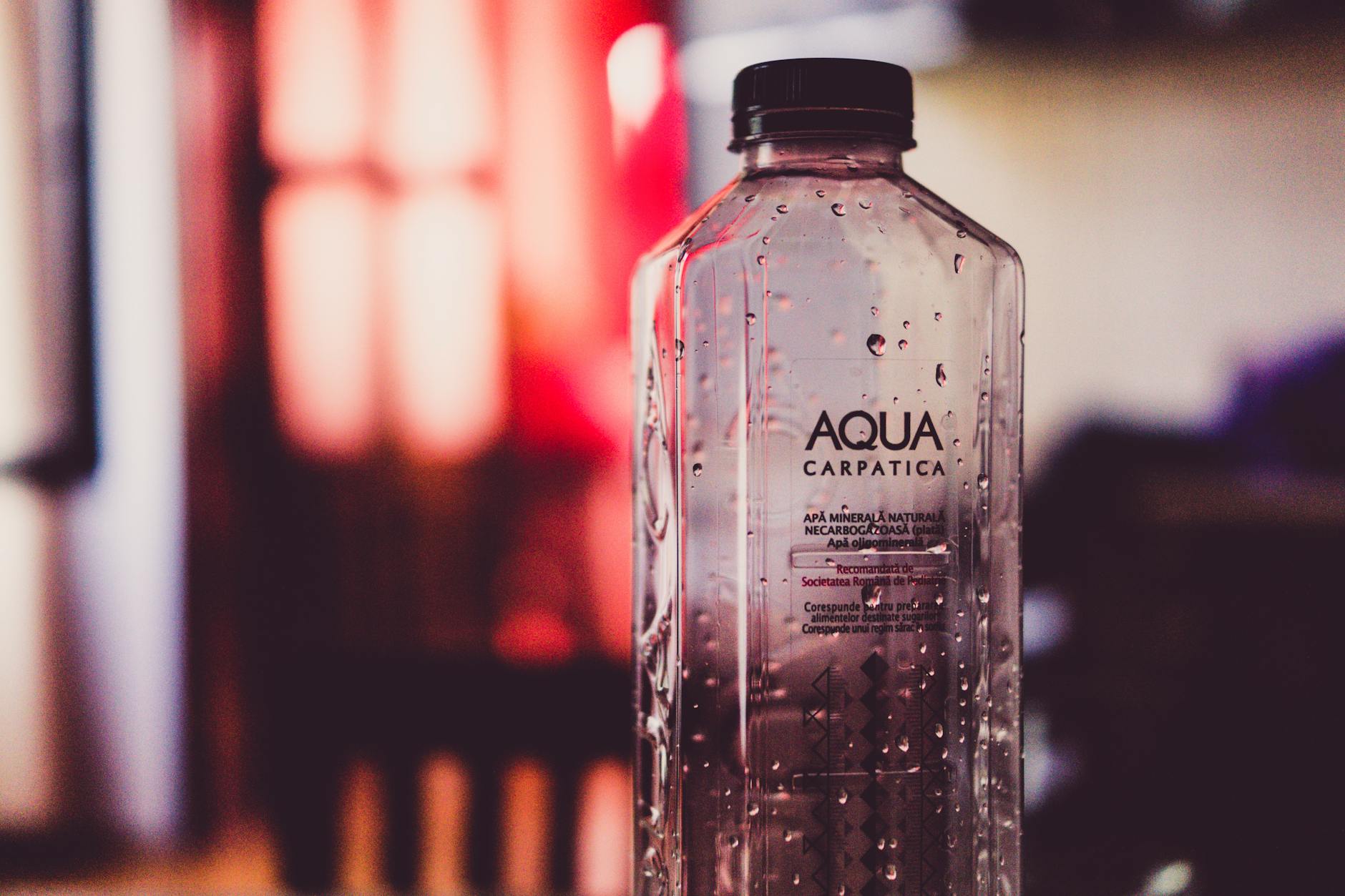
Branded drinkware is one of the most enduring categories in the promotional products industry, and for good reason. When you print water bottles with a company logo or message, you’re creating a functional item that gets used daily — at the gym, on the commute, at the office, and at events. Unlike a branded pen that might get lost in a drawer, a quality printed water bottle earns repeated visibility every single time someone reaches for a drink. For Australian businesses, resellers, and marketing agencies sourcing custom drinkware in volume, understanding how to navigate the print water bottles process — from choosing the right product to selecting the best decoration method — can make the difference between a campaign that lands and one that falls flat.
Why Print Water Bottles Remain a Top Promotional Product Choice
The sustained popularity of printed water bottles isn’t accidental. Australians are genuinely health-conscious, and hydration culture is embedded in everyday life from Brisbane boardrooms to Perth construction sites. A well-chosen branded water bottle ticks multiple boxes simultaneously: it communicates a brand message, it provides genuine value to the recipient, and it offers exceptional longevity as a promotional vehicle.
From a purely practical standpoint, the cost-per-impression on a quality printed water bottle is remarkably low. Consider a Melbourne marketing agency purchasing 500 units for a client’s product launch. If each bottle is used once a day and lasts two years — a conservative estimate for a mid-range stainless steel bottle — that’s over 700 impressions per unit. Multiply that across 500 units and the numbers become compelling very quickly.
Resellers also benefit from the broad appeal of drinkware across virtually every sector. Schools, corporate clients, government departments, sporting clubs, healthcare organisations, and conference organisers all purchase printed water bottles regularly. If you’re building a promotional product business or expanding an existing catalogue, drinkware should be a cornerstone category.
For more context on how drinkware fits into a broader merchandise strategy, our guide to the best promotional products for corporate clients explores the full category landscape.
Understanding the Different Ways to Print Water Bottles
Not all water bottles are created equal, and not all decoration methods suit every product type. Choosing the wrong printing technique for the substrate or the brand’s requirements can result in artwork that fades, peels, or simply doesn’t represent the client’s brand at its best. Here’s a breakdown of the most common methods used in Australia.
Screen Printing
Screen printing is one of the most cost-effective options for high-volume orders on cylindrical plastic or aluminium water bottles. It works by pushing ink through a mesh stencil directly onto the bottle surface. The result is vibrant, durable colour that holds up well over time — particularly important for items that will be washed frequently.
Screen printing is best suited to simple logos with one to four colours. It becomes less practical for photographic images or gradient designs. Typical MOQs in Australia for screen printed water bottles start at around 50–100 units, though some suppliers will go lower for a setup fee premium.
Pad Printing
Pad printing is similar to screen printing but uses a silicone pad to transfer ink from an etched plate to the bottle surface. It’s particularly useful for curved or irregular surfaces and can achieve fine detail. If your client’s logo has intricate line work, pad printing may deliver a cleaner result than screen printing on certain bottle shapes.
Laser Engraving
For stainless steel and aluminium water bottles, laser engraving is often the premium choice. The laser removes the surface coating to reveal the metal beneath, creating a permanent, tactile impression that cannot peel, fade, or wash off. It’s particularly popular in the corporate gifting space, where perceived quality matters.
The trade-off is that laser engraving is typically limited to single-colour output — silver or gunmetal, depending on the base material. For brands with bold multi-colour logos, this may not be the right fit unless the client understands and accepts the aesthetic. Our overview of laser engraving for promotional products covers this method in much more detail.
Full-Colour Digital Printing and Sublimation
Sublimation printing is a game-changer for full-colour water bottle decoration. The process uses heat to infuse dye directly into the coating of the bottle, resulting in vibrant, edge-to-edge artwork with no limits on colour count or photographic detail. It’s ideal for bottles with a white or light-coloured powder-coated finish.
Sublimation is the go-to method for sports clubs wanting custom-designed bottles, event merchandise with complex artwork, or any brief requiring a photorealistic result. MOQs for sublimation printed water bottles tend to be slightly higher — typically 50 units minimum — and turnaround times can be a day or two longer due to the production process.
For a deeper dive into how sublimation compares to other methods, our comparison of sublimation vs screen printing for drinkware is worth reading before you brief a supplier.
Wrap-Around UV Printing
UV digital printing allows for direct-to-surface decoration with wrap-around coverage and full-colour output. It’s increasingly popular with Australian suppliers and works on a range of materials. It strikes a balance between the vividness of sublimation and the flexibility to work on dark-coloured bottles.
Choosing the Right Water Bottle for Your Print Project
The product itself matters as much as the decoration method. There are several key decisions to make before you go to print.
Material: Plastic, Aluminium, or Stainless Steel?
Plastic BPA-free bottles are the most affordable entry point, often suitable for high-volume community events, school fundraisers, or trade show giveaways. They accept screen printing and digital printing well and are available from as low as a few dollars per unit in volume.
Aluminium bottles offer a mid-range price point with a premium look and are well-suited to laser engraving and screen printing. They’re a popular choice for Gold Coast tourism operators, outdoor brands, and sporting events.
Stainless steel vacuum-insulated bottles — the double-walled variety that keeps drinks cold for 24 hours — sit at the premium end of the market and are increasingly popular for corporate gifting in Sydney and Melbourne. They accept laser engraving beautifully and can also be sublimation-printed with the right powder-coat finish.
Our guide to choosing between promotional drinkware materials walks through the full pros and cons in practical terms.
Lid and Closure Type
Screw-top, flip-top, straw lid, or push-button — the lid style affects both usability and printable surface area. Some clients have strong preferences, particularly in the healthcare and fitness sectors. Confirm lid requirements before sampling.
Capacity
Most standard promotional water bottles range from 500ml to 750ml. Larger 1-litre and 1.5-litre options exist but are typically more expensive and less frequently used in promotional contexts. Sports clubs and outdoor event organisers sometimes request larger capacities, so it’s worth having a few options in your range.
Budget, MOQs, and Turnaround Expectations
For resellers and agencies managing client expectations, having clear numbers to work from is essential.
As a general guide for the Australian market in 2026:
- Plastic bottles with screen printing: from approximately $3–$8 per unit at 100+ units
- Aluminium bottles with laser engraving: from approximately $6–$14 per unit at 100+ units
- Stainless steel insulated bottles with laser engraving or sublimation: from approximately $12–$30 per unit at 50+ units
Setup fees vary by supplier but are typically charged per colour for screen printing and are a flat fee for laser engraving. Always clarify whether quoted prices include or exclude setup fees and freight — this is a common source of confusion in the industry.
Turnaround times in Australia typically range from 7–15 business days after artwork approval, though rush production options are often available for an additional fee. If a client is in Adelaide and needs bottles for a conference in two weeks, it’s a tight but achievable timeline with the right supplier.
Our breakdown of promotional product turnaround times in Australia provides a realistic timeline guide for resellers managing deadlines.
Artwork and Approval Tips for Printed Water Bottles
Getting artwork right before going to production saves everyone time and money. Most Australian suppliers require vector artwork files (typically .ai or .eps format) for screen printing, pad printing, and engraving. For sublimation and UV digital printing, high-resolution raster files may be acceptable, but confirm with your supplier.
Always request a digital proof before approving production — and if the order is high-value, consider requesting a physical sample first. Colour on screen can differ from physical output, particularly with powder-coated stainless steel bottles where the coating affects how colours reproduce.
For larger orders, PMS (Pantone Matching System) colour references give you and the supplier a shared language for colour accuracy. Our guide to PMS colour matching for promotional products explains how the system works and when it’s worth specifying.
Also confirm the printable area dimensions for each bottle model before creating artwork. Bottles with handles, raised logos, or textured surfaces have restrictions that can catch clients off guard.
Working With Suppliers to Print Water Bottles at Scale
For resellers managing multiple client accounts, building a reliable supply chain for printed water bottles pays dividends. Look for suppliers who offer transparent pricing tiers, clear production timelines, and consistent quality control — particularly if you’re sourcing from a mix of domestic decorators and overseas manufacturers.
It’s also worth understanding which suppliers specialise in drinkware versus those who offer it as a secondary category. A supplier with deep drinkware expertise will typically have broader product access, better pricing, and fewer production hiccups. Our tips for evaluating promotional product suppliers in Australia can help you build a vetting checklist.
If you regularly place orders across multiple product categories, consider whether your supplier can bundle drinkware with other items — branded bags, apparel, or stationery — to consolidate freight and simplify project management. Our guide to managing multi-product promotional campaigns covers this in detail.
Conclusion: Key Takeaways for Print Water Bottles Projects
Navigating a print water bottles project successfully comes down to matching the right product, decoration method, and supplier to the client’s specific brief. Here are the key points to carry forward:
- Match the decoration method to the material — laser engraving for stainless steel, sublimation for full-colour powder-coated bottles, screen printing for high-volume plastic or aluminium orders.
- Clarify artwork requirements early — vector files, print dimensions, and PMS references prevent costly revisions and production delays.
- Budget for setup fees and freight separately — these can significantly affect the true cost per unit, especially on smaller orders.
- Sample before high-volume production — particularly for premium stainless steel items where colour reproduction can vary from screen to physical output.
- Build supplier relationships — resellers and agencies who print water bottles regularly benefit enormously from having trusted, responsive supply partners who understand their clients’ standards.
Whether you’re sourcing a run of 100 bottles for a Canberra government department or 2,000 units for a national fitness brand’s retail launch, a well-executed print water bottles project delivers branded merchandise that recipients genuinely value and use every day.