
Eco-Friendly Promotional Products in Sydney: A Complete Sourcing Guide for 2026
Discover the best eco-friendly promotional products in Sydney — practical sourcing tips, product ideas, decoration methods, and budgeting advice.

Written by
Astrid Henriksen
Eco & Sustainable Products
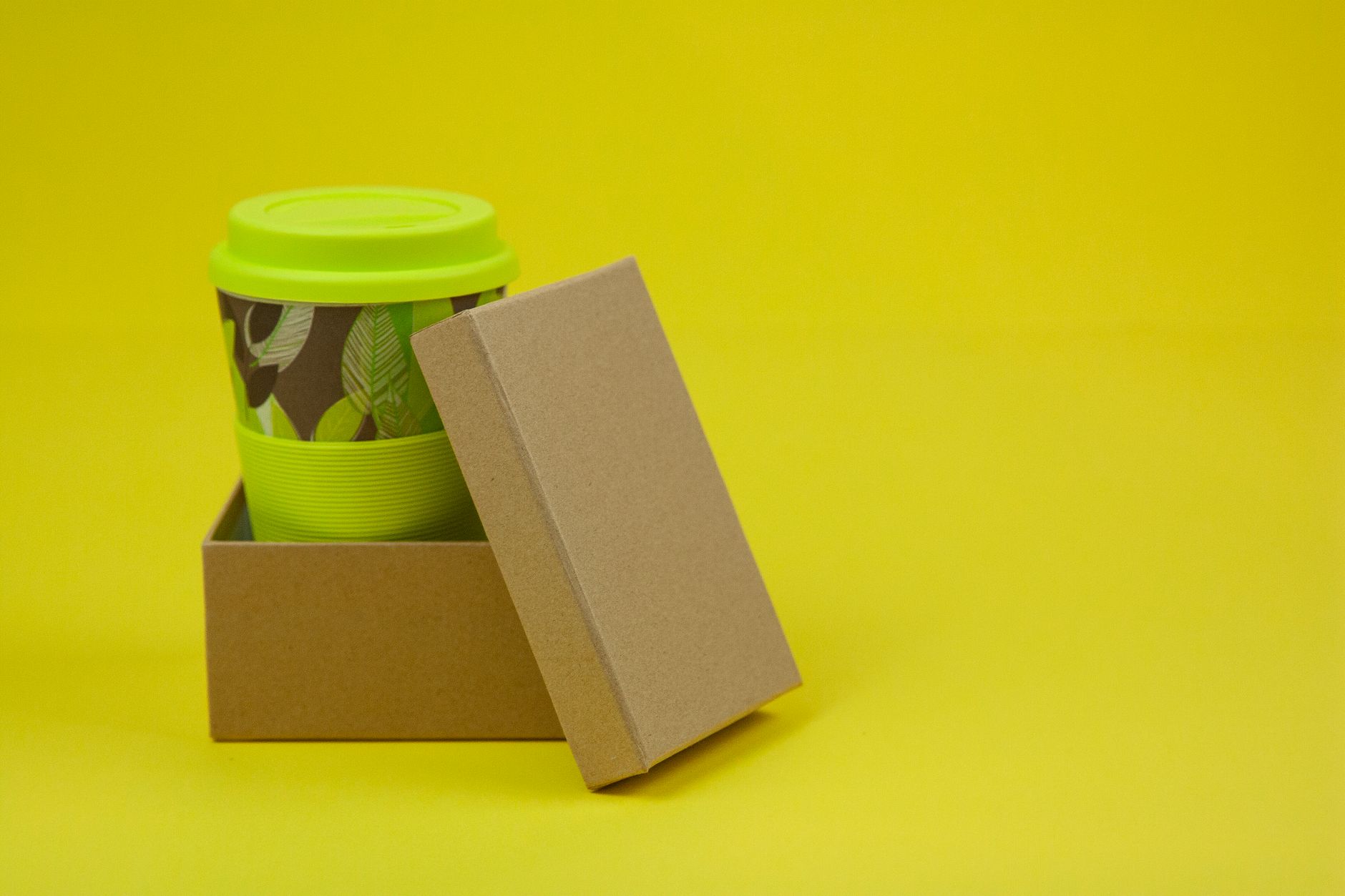
Sustainability isn’t just a buzzword anymore — it’s a business expectation. For Sydney organisations ranging from Surry Hills marketing agencies to Parramatta councils, the demand for eco-friendly promotional products has shifted from a nice-to-have to a core part of brand strategy. Whether you’re a reseller sourcing stock for clients, a marketing team planning a product launch, or a business preparing for a trade show at the ICC Sydney, choosing sustainable merchandise sends a clear message: your brand walks the talk. But navigating the world of eco-friendly promos can be overwhelming. What materials are genuinely sustainable? What decoration methods align with green values? And how do you balance ethics with budget? This guide covers everything you need to know.
Why Sydney Businesses Are Choosing Eco-Friendly Promotional Products
Sydney has one of the most environmentally conscious consumer bases in Australia. From the Northern Beaches to the CBD, customers and clients are increasingly scrutinising the brands they engage with — and the promotional products those brands put into the world. Local councils, universities, and corporates alike are adopting sustainability policies that extend to their procurement choices.
Beyond the values alignment, there’s a compelling practical case. Eco-friendly promotional products tend to have higher perceived value. A beautifully crafted bamboo notebook or a reusable drinkware item lands differently than a cheap plastic giveaway — and recipients are far more likely to keep and use it, which means better brand impressions over time.
It’s also worth looking at the broader picture. According to our overview of the promotional products industry in Australia, branded merchandise remains one of the most cost-effective marketing channels available — and the sustainable segment is among the fastest-growing within that space.
Understanding What Makes a Promotional Product Truly Eco-Friendly
Before diving into product categories, it’s important to understand what “eco-friendly” actually means in a promotional context. Not all claims are equal, and greenwashing — overstating environmental credentials — is a genuine risk for brands.
Material Credentials to Look For
When evaluating products, look for the following:
- Recycled materials — Products made from post-consumer recycled content, such as rPET (recycled plastic bottles), recycled cotton, or ocean-plastic recycled office supplies that are sourced from coastal clean-up programs
- Sustainably sourced naturals — Bamboo, cork, organic cotton, and jute are renewable materials with lower environmental footprints than virgin synthetics
- Biodegradable options — Corn starch, wheat straw, and other plant-based materials that break down at end of life
- Durable longevity — Products designed to last longer reduce overall waste; a quality stainless steel water bottle used daily for years beats a single-use item every time
Decoration Methods and Their Environmental Impact
The product itself isn’t the only consideration — how it’s branded matters too. Laser engraving is one of the most environmentally friendly decoration methods because it uses no inks, chemicals, or dye. It’s ideal for bamboo, timber, and metal items. Water-based inks used in screen printing are a cleaner alternative to plastisol inks, and many suppliers now offer this option.
If you’re sourcing branded drinkware, our guide on how to brand round promotional products like mugs covers which decoration methods work best for curved surfaces — a useful reference when specifying jobs for eco-conscious clients.
Top Eco-Friendly Promotional Product Categories for Sydney Organisations
Reusable Drinkware
Few product categories have had as much sustainability impact as reusable drinkware. Sydney’s café culture and active outdoor lifestyle make branded water bottles and keep cups particularly relevant — and well-used. Stainless steel bottles with vacuum insulation are perennial bestsellers, and our dedicated guide on branded water bottles for Australian organisations covers everything from sizing to decoration options.
For glass options, which carry a premium feel and appeal strongly to wellness and health brands, our glassware and bottle sourcing guide is worth bookmarking.
Eco-Friendly Bags and Totes
Reusable bags remain one of the most popular sustainable promotional categories. Sydney retailers, event organisers, and corporate clients frequently order:
- Jute and cotton tote bags — ideal for events, retail, and hospitality
- rPET bags made from recycled plastic bottles
- Cooler bags and beach totes crafted from sustainable materials
If you’re sourcing for coastal or lifestyle brands, take a look at the options covered in our guide to promotional beach bags in Adelaide, which outlines material and sizing considerations relevant to any coastal Australian market — including Sydney’s Eastern Suburbs and Northern Beaches clients.
Sustainable Stationery and Notebooks
Branded stationery is a staple for corporate gifting, conferences, and onboarding kits. The eco-friendly segment here has grown substantially, with options including:
- Recycled or FSC-certified paper notebooks
- Bamboo or cork-covered journals
- Wheat straw and recycled plastic pens
Our guide on promotional padfolio notebooks explores how to choose the right format for professional gifting — an important read for resellers working with corporate clients in Sydney’s CBD or North Sydney business precincts.
Hemp and Natural Fibre Products
Hemp is one of the most sustainable crops on the planet — it requires minimal water and no pesticides. Branded hemp wallets and accessories have become increasingly popular with environmentally focused brands. For inspiration on what’s available and how these products perform in a promotional context, our post on hemp branded wallets for sustainable fashion promotions is a solid resource.
Sustainable Apparel
Custom t-shirts and apparel remain a cornerstone of promotional merchandise. Look for organic cotton or recycled polyester options. While the Gildan t-shirt range includes standard options widely used for budget campaigns, sustainable-focused buyers should specifically request their eco or organic lines, which use lower-impact production methods.
Tech Accessories with Sustainability Credentials
Even in the tech category, sustainability credentials are growing. Bamboo-cased wireless chargers, solar-powered power banks, and recycled material earbuds are all available. If you’re sourcing tech promos for clients, our guide to promotional earbuds in Adelaide offers specification tips that apply to any Australian buyer, and our post on laser engraved smart tags in Australia explores a category that combines tech utility with sustainable decoration.
Practical Tips for Sourcing Eco-Friendly Promotional Products in Sydney
Know Your Minimum Order Quantities
Eco-friendly products often carry slightly higher MOQs (minimum order quantities) or unit prices compared to their conventional equivalents. That said, many categories are competitive — especially reusable bags and drinkware, where volume production has driven costs down. Typical MOQs for sustainable promotional products range from 25 to 100 units for most categories, with screen printing or laser engraving setups adding a one-off cost of $40–$80 depending on complexity.
Build in Enough Lead Time
Sydney businesses sourcing eco-friendly promos should factor in additional lead time, particularly for products manufactured from certified sustainable materials or those requiring third-party verification. Standard turnaround for most in-stock items is 10–15 business days from artwork approval. For custom orders with specific material requirements, allow 3–5 weeks, especially around peak periods like Christmas or major conference seasons.
For event-specific items like personalised wristbands or entry merchandise, our guide on personalised event wristbands for festival entry covers lead times and ordering considerations worth reviewing well ahead of your event date.
Verify Supplier Credentials
Not all suppliers claiming to offer “eco-friendly” products can back up those claims. When sourcing on behalf of clients or for your own brand, ask for:
- Material certifications (GOTS for organic cotton, FSC for paper, GRS for recycled content)
- Country of origin and supply chain transparency
- Samples before committing to bulk orders
Resellers working with Western Sydney businesses — a rapidly growing market — can find more context on local promotional product sourcing in our guide specifically for Western Sydney organisations.
Consider the Full Brand Experience
Sustainable merchandise works best when it’s part of a considered brand story. Combining eco-friendly products — say, a recycled tote, a stainless steel bottle, and a bamboo pen — into a gift set creates a cohesive impression. For seasonal gifting ideas that can incorporate eco-friendly items, our posts on branded Christmas fruit boxes and Mother’s Day branded gifts offer timely inspiration.
Budgeting for Eco-Friendly Promotional Products
One of the most common hesitations around sustainable merchandise is cost. Here’s a realistic breakdown for Sydney buyers:
- Eco bags (jute/cotton totes): $3–$8 per unit at 100+ qty
- Stainless steel water bottles: $12–$25 per unit at 50+ qty
- Bamboo notebooks or stationery sets: $8–$18 per unit at 50+ qty
- rPET promotional backpacks: $15–$35 per unit at 50+ qty
- Organic cotton t-shirts: $18–$30 per unit at 50+ qty (depending on print complexity)
These ranges are indicative. Decoration method, branding complexity, and supplier selection all affect final pricing. Decoration costs via pad printing services can sometimes be more cost-effective than embroidery for softer, colour-matched finishes on eco materials.
Conclusion: Making Sustainable Merchandise Work for Your Sydney Brand
Choosing eco-friendly promotional products in Sydney is no longer a niche decision — it’s a mainstream business practice that signals values, builds trust, and delivers tangible marketing results. Whether you’re a reseller building out a sustainable product range for clients, an agency specifying merchandise for a product launch, or a corporate team refreshing your branded collateral, the market in 2026 offers more high-quality sustainable options than ever before.
Key takeaways:
- Verify eco credentials — look for certified materials like organic cotton (GOTS), FSC paper, and GRS recycled content before committing to orders
- Decoration matters — laser engraving and water-based inks align better with sustainability goals than conventional chemical-heavy processes
- Plan for lead times — sustainable products often require additional sourcing time; build 3–5 weeks into your project timeline
- Think in sets — combining multiple eco-friendly items into a gift set creates a stronger brand story than a single token product
- Budget realistically — sustainable products cost slightly more per unit but deliver higher perceived value, better retention rates, and stronger brand alignment
Sydney’s competitive business landscape rewards brands that invest in meaningful, sustainable marketing. Getting your eco-friendly promotional product strategy right is one of the smartest moves you can make in 2026.