
Custom T-Shirts for Rowing Clubs in Australia: The Complete Ordering Guide
Everything Australian rowing clubs need to know about ordering custom t-shirts — from decoration methods to MOQs, budgets, and finding the right supplier.

Written by
Riley Monk
Custom Apparel
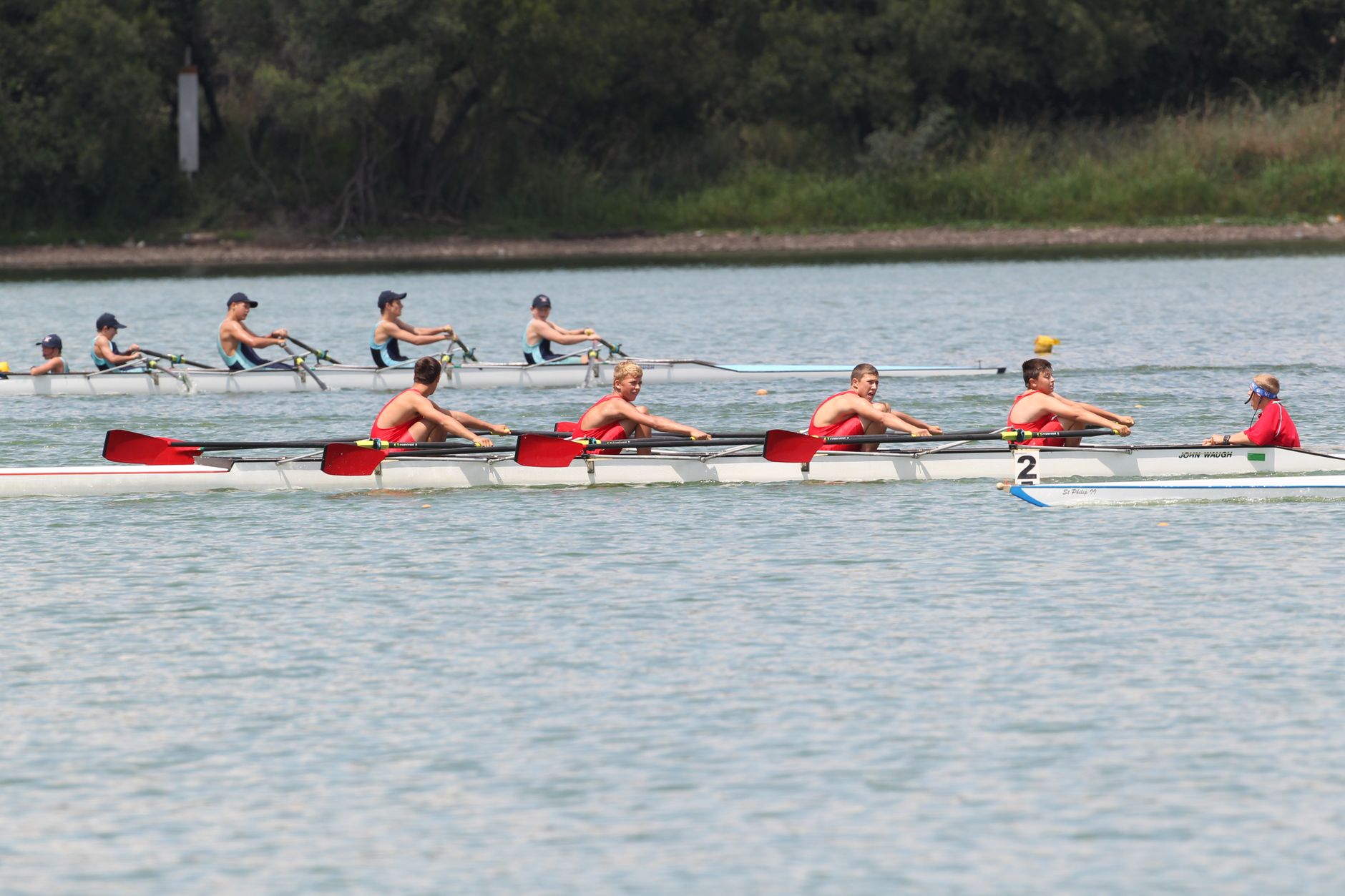
Rowing is one of Australia’s most beloved competitive sports, with clubs stretching from the waterways of the Swan River in Perth to the Yarra in Melbourne, the Nepean in Sydney’s west, and the Brisbane River in Queensland. Whether you’re kitting out juniors for a school regatta, outfitting your senior squad for a state championship, or simply building a stronger sense of club identity on and off the water, custom t-shirts for rowing clubs in Australia are one of the most practical and impactful investments you can make. But navigating the world of custom apparel — MOQs, decoration methods, fabric choices, turnaround times — can feel as daunting as a 2000-metre sprint if you’ve never done it before. This guide breaks it all down so your club can order with confidence.
Why Custom T-Shirts Matter for Rowing Clubs
It’s easy to underestimate what a well-branded t-shirt does for a sporting club. Beyond the obvious function of looking professional at regattas, club t-shirts serve as a powerful community-building tool. They create a visual identity that extends beyond the boat shed and onto the streets, at school events, interstate travel, and club fundraisers.
For rowing clubs specifically, branded apparel fills a wide range of roles:
- Training t-shirts worn during morning sessions and ergo training
- Warm-up and cool-down layers for athletes between races at regattas
- Volunteer and official shirts for committee members and race-day marshals
- Merchandise for sale at club events or through an online club store
- Presentation shirts for award ceremonies and end-of-season dinners
Each of these contexts may call for slightly different product specs — and understanding those differences before you order is how you avoid costly mistakes.
Choosing the Right T-Shirt Fabric and Style
Not all t-shirts are created equal. The right choice depends on how and where the shirts will be used. For rowing clubs, there are a few key considerations.
Performance vs. Cotton
If the shirts are intended for active use — training, on-water warmups, or race-day wear — look for moisture-wicking polyester or poly-cotton blends. These fabrics pull sweat away from the skin, dry quickly, and hold up well to repeated washing in a demanding athletic environment. For more casual use, such as presentation events or member merchandise, a premium ring-spun cotton or tri-blend fabric offers superior comfort and a retail-quality feel.
Fit and Cut
Australian rowing clubs often cater to a wide demographic — from U14 juniors to Masters rowers in their sixties. Ensuring you have the right size range and offering both men’s, women’s, and unisex fits will make your order more inclusive and more popular among members. Many reputable suppliers offer sizes from XS through to 5XL.
Colour and Club Identity
Colour matching is critical when you’ve got an established club identity. If your club has specific PMS (Pantone Matching System) colours, communicate these clearly to your supplier. Most quality suppliers can match your club’s blues, greens, reds, or gold tones with reasonable accuracy, particularly when using screen printing or sublimation.
Custom T-Shirts for Rowing Clubs in Australia: Decoration Methods Explained
Once you’ve settled on the garment, the next big decision is how your artwork will be applied to it. Different decoration methods suit different design types, fabric choices, and order quantities.
Screen Printing
Screen printing is the most widely used decoration method for club t-shirts in Australia, and for good reason. It produces vibrant, durable colours that stand up to repeated washing, it’s cost-effective at higher quantities, and it works beautifully on cotton and cotton-blend fabrics. If your design uses one to four solid colours — a common scenario for rowing clubs with a simple logo or club crest — screen printing is likely your best option.
Typical setup fees apply per colour, so designs with fewer colours will cost less to set up. Once those screens are made, the per-unit cost drops significantly with volume, making screen printing especially attractive for orders of 24 or more shirts.
Sublimation Printing
For fully customised, all-over designs — think gradient colours that mirror the water, photographic imagery, or complex multi-toned artwork — sublimation printing delivers results that no other method can match. It’s particularly popular for performance sportswear because the ink bonds directly with the fabric fibres rather than sitting on top, producing a lightweight result with no cracking or peeling.
The catch? Sublimation only works effectively on white or very light-coloured polyester fabrics. It’s also typically more expensive at lower quantities. For clubs creating unique race-day jerseys or a special commemorative edition shirt, though, it’s often worth the investment. You can learn more about how digital decoration compares to traditional methods in our guide to digital printing services for promotional products in Melbourne.
Embroidery
Embroidery adds a premium, tactile quality to garments that works especially well on polos, hats, and jackets — though it can also be applied to t-shirts for a more refined look. If your club is ordering shirts for committee members, coaching staff, or official presentations, embroidery of your club crest can elevate the garment considerably. For cost-effective embroidered options, see our breakdown of cheap custom embroidered polo shirts.
Heat Transfer and DTG
Heat transfer and direct-to-garment (DTG) printing are well-suited to smaller runs or designs with many colours and fine detail. They’re useful when you need sample pieces, short-run orders for committee shirts, or personalised items with individual names or numbers on the back.
MOQs, Pricing, and Budget Planning
Understanding minimum order quantities (MOQs) is essential before you commit to a supplier. For screen printed t-shirts, most Australian suppliers have an MOQ of around 12–24 units per design, though some can accommodate smaller runs at a higher per-unit cost. Sublimation and DTG printing tend to have lower or no minimum quantities, making them viable for smaller clubs.
As a rough guide for 2026 Australian pricing:
- Basic screen printed cotton tee (one to two colours, order of 50): $12–$20 per unit
- Performance poly-blend tee (sublimation, order of 30): $25–$45 per unit
- Embroidered t-shirt (small chest logo): $20–$35 per unit
Setup fees, freight costs, and GST should all be factored into your total budget. Clubs ordering for the first time are often surprised by these additional costs — so ask your supplier for a fully itemised quote upfront.
For clubs looking to understand how the broader branded merchandise landscape shapes pricing and product trends, the promotional products industry report for Australia provides excellent context.
Artwork Preparation: Getting It Right From the Start
One of the most common causes of delays in custom t-shirt orders is artwork that isn’t print-ready. Here’s what you need to have sorted before you approach a supplier:
- Vector files are preferred. Formats like .AI (Adobe Illustrator) or .EPS are ideal for screen printing because they scale without losing quality. For embroidery, a digitised file is required.
- High-resolution raster files (300 DPI or above in .PNG or .TIFF format) are acceptable for DTG and heat transfer.
- Specify your PMS colours if your club has them, or be prepared to approve a colour proof before printing begins.
- Include a style guide or brand guidelines if your club has one — even a simple PDF outlining your club colours and preferred logo usage helps enormously.
If your artwork needs to be converted or recreated, most suppliers offer artwork services for a small fee. Don’t skip this step — poor artwork leads to poor results.
Ordering Tips for Rowing Club Administrators
Organising a club apparel order involves more logistics than most people anticipate. Here are some practical tips from experienced club administrators and resellers:
Allow adequate lead time. A standard custom t-shirt order with screen printing typically requires 10–15 business days from artwork approval to delivery. During peak periods — like the lead-up to state championships or the school rowing season — allow extra time. Rush orders may be available but often come with a premium.
Collect size data early. Send a size survey to members at least four weeks before you need to place the order. Late size submissions are one of the biggest causes of delays and reorders.
Order buffer stock. It’s standard practice to order 10–15% more than your confirmed number. New members join, sizes are misjudged, and extras sell at the club shop. Running out of shirts mid-season is frustrating for everyone.
Request a physical sample. Before committing to a full run, ask your supplier whether a pre-production sample or a blank garment in your chosen style is available. This lets you check fabric weight, fit, and print placement.
Think beyond the t-shirt. Many clubs use their custom apparel order as an opportunity to consolidate other branded items — things like custom branded honour boards for the clubhouse, branded water bottles and glassware, or even laser engraved smart tags for equipment. Bundling orders with a single supplier can simplify the process and sometimes unlock better pricing.
Resellers and Marketing Agencies: Sourcing for Rowing Clubs
If you’re a reseller or marketing agency sourcing custom t-shirts for rowing clubs in Australia, there are a few nuances worth noting. Rowing clubs often operate on tight budgets — particularly community and school-based clubs — so competitive pricing is important. At the same time, the quality bar is high because these garments represent the club publicly at high-visibility events.
Look for suppliers with strong athletic garment ranges, experience in multi-colour screen printing and sublimation, and the ability to handle personalisation (names and numbers) at scale. It’s also worth familiarising yourself with the broader decorating options available — our overview of pad printing services for promotional products in Brisbane gives useful context on how various methods work across different product types.
Many resellers also extend their offering to include complementary club merchandise such as custom trucks hats and branded accessories, creating a full club kit that’s more appealing than individual items ordered piecemeal.
Key Takeaways
Ordering custom t-shirts for your rowing club doesn’t have to be stressful. With the right preparation and a clear brief, you can deliver high-quality, professional apparel that every member will be proud to wear. Here’s a summary of the key points to take away:
- Match your decoration method to your design and fabric — screen printing for bold, flat designs on cotton; sublimation for full-colour performance wear; embroidery for premium presentation garments.
- Prepare print-ready artwork before approaching a supplier — vector files, correct PMS colours, and a clear brief will save time and reduce errors.
- Budget for the full cost — include setup fees, freight, and GST when comparing quotes, and always ask for a fully itemised price.
- Allow adequate lead time, especially during peak regatta season, and order buffer stock to avoid running short.
- Consider bundling your apparel order with other club merchandise to streamline logistics and potentially unlock volume pricing.
Whether you’re the merchandise coordinator for a competitive club in Adelaide, a parent volunteer helping a Hobart high school rowing team, or a Brisbane-based reseller managing apparel for multiple sporting organisations, getting your custom t-shirt order right from the start makes the whole season run more smoothly — on and off the water.