
How to Order Custom Design Basketball Uniforms for Your Team in Australia
Learn how to source, design and order custom basketball uniforms in Australia — covering decoration methods, MOQs, budgets and supplier tips.

Written by
Riley Monk
Custom Apparel
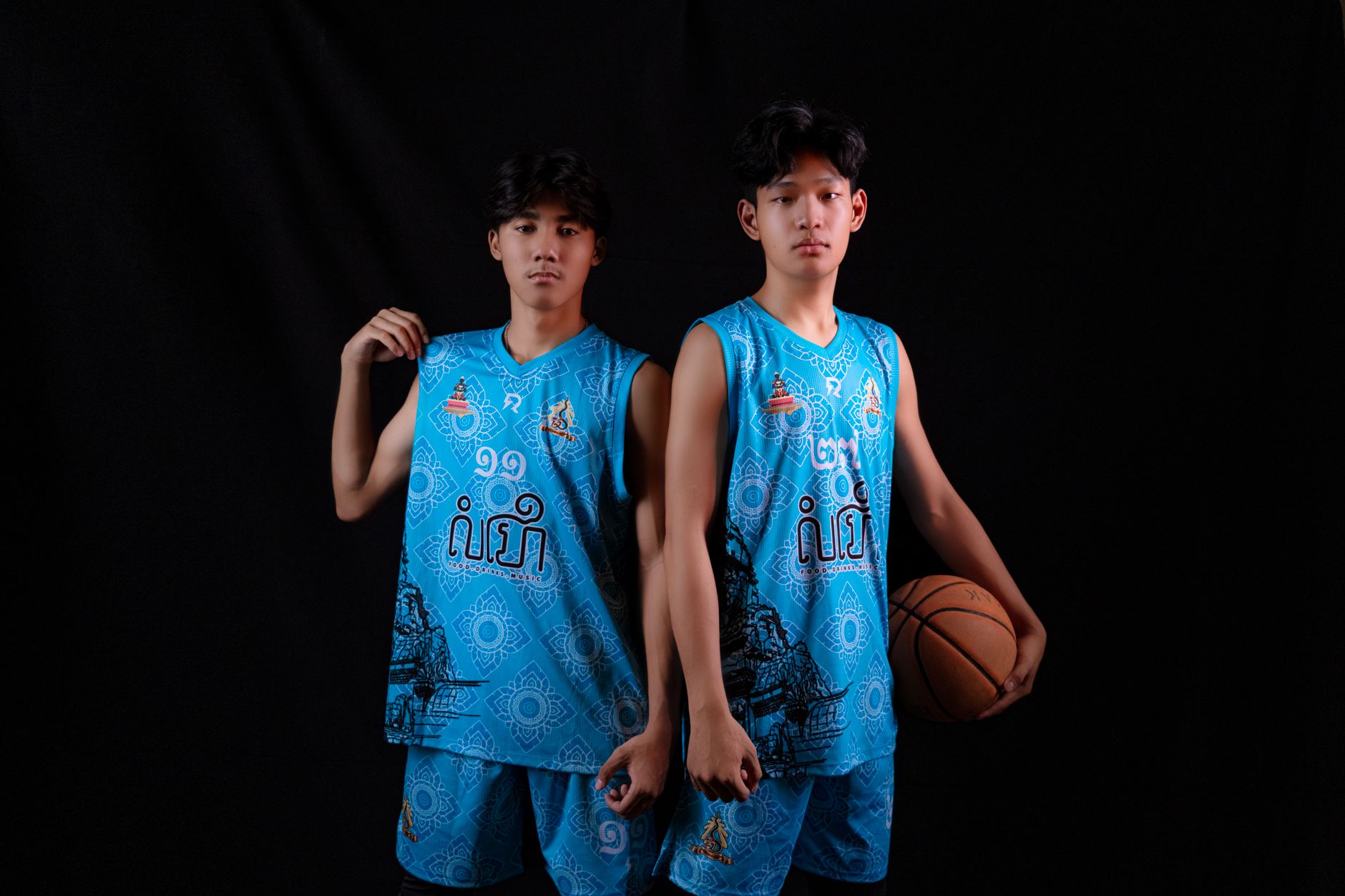
Ordering custom design basketball uniforms is one of those projects that looks straightforward on the surface — pick a colour, add a number, job done. But anyone who has managed a uniform order for a basketball club, school team, or corporate sports day quickly discovers there’s a lot more to it. From choosing the right fabric and decoration method to navigating minimum order quantities and turnaround times, the decisions you make early in the process have a significant impact on the final product. Whether you’re a reseller sourcing uniforms for a client, a marketing agency managing a sporting event brand, or a business gearing up for a community basketball programme, this guide walks you through everything you need to know to get the best result.
Why Custom Design Basketball Uniforms Matter More Than You Think
A basketball uniform isn’t just clothing — it’s a branding asset. When a team takes to the court in a well-designed, cohesive kit, it communicates professionalism, pride, and identity. For sponsors, that means their logo is front and centre every time a player runs, jumps, or passes. For clubs and schools, it creates a sense of belonging that motivates players and builds team culture.
In Australia, the demand for custom team apparel is growing steadily. Our promotional products industry report for Australia highlights how sports merchandise and branded uniforms continue to be among the highest-volume custom apparel categories, particularly in Queensland, Victoria, and New South Wales where basketball participation rates are strong.
For resellers and agencies, basketball uniforms represent a high-value recurring order. Clubs reorder annually, schools update sizing each year, and corporate teams often refresh their look ahead of workplace competitions. Understanding how to deliver quality custom uniforms — and how to advise your clients — is genuinely valuable expertise.
Understanding Decoration Methods for Basketball Uniforms
The decoration method you choose will affect the look, durability, feel, and cost of the final product. Not every method is suitable for performance sportswear, so it’s important to match the technique to the fabric type and use case.
Sublimation Printing
Sublimation is by far the most popular method for custom basketball uniforms in Australia, and for good reason. The process bonds ink directly into the polyester fabric at a molecular level, meaning the design won’t crack, peel, or fade — even after hundreds of washes. It allows for full-colour, all-over designs with photographic-quality detail, meaning you can incorporate gradients, intricate patterns, and multiple colour zones without any additional cost per colour.
If you want to understand more about how this process works across different apparel types, our overview of shirts with sublimation printing covers the fundamentals clearly and is worth reading before briefing a supplier.
The key limitation of sublimation is that it works best on 100% polyester or high-poly-blend fabrics. It’s not suitable for cotton uniforms. For basketball, this is rarely an issue — modern performance fabrics are almost universally polyester-based.
Screen Printing
Screen printing is a more traditional option and can work well on simpler uniform designs — typically those with flat colours, bold numbers, and a limited design palette. It’s cost-effective at volume and delivers vibrant, long-lasting results. However, it’s less suited to complex multicolour designs or gradients, and setup costs can add up when multiple screens are required.
Heat Transfer and Digital Printing
Heat transfer and digital printing methods are often used for player names and numbers, particularly when orders are individualised and quantities are low. These methods are less durable under high-wash conditions compared to sublimation but can be a practical solution for one-off replacements or small orders.
Key Specifications to Confirm Before You Order
Getting your specifications right before placing an order avoids costly mistakes and delays. Here’s what to confirm early:
Fabric Weight and Moisture Management
Basketball is a high-intensity sport, so fabric performance matters. Look for lightweight, breathable fabrics — typically between 120gsm and 150gsm — with moisture-wicking properties. Mesh panels on the sides and back improve ventilation and are a common feature on quality basketball jerseys.
Sizing and Fit
Australian sizing standards don’t always align with international sizing from offshore suppliers. Request a size chart in metric measurements and, where possible, order a sample or size set before committing to a full run. This is particularly important for school and junior club orders where sizing accuracy is critical.
Colour Accuracy
If your client’s branding relies on specific colours, ask your supplier about PMS colour matching. Sublimation printing in particular can produce slightly different colour outcomes depending on the fabric base and the calibration of the printing equipment. Request a printed sample or digital proof before approving the full run.
Minimum Order Quantities and Budget Planning
Minimum order quantities (MOQs) for custom design basketball uniforms vary significantly depending on the supplier and the decoration method chosen.
For fully sublimated uniforms, most Australian suppliers set MOQs between 10 and 20 units per style. This aligns well with most club and school team sizes. Some premium manufacturers allow custom orders from as few as five units, though the per-unit cost increases considerably at lower quantities.
Budget-wise, fully sublimated basketball jerseys typically start from around $35–$55 per unit at a run of 20, with shorts priced similarly. Shorts and jerseys are often ordered as a matched set, so factor in the combined cost per player when presenting quotes to clients. Shipping, artwork setup, and any rush fees should also be itemised clearly.
For resellers, it’s worth building a margin buffer of at least 20–30% to account for revisions, artwork adjustments, or potential reprints. Clients often change their minds about colours or layouts more than once during the design approval stage.
If your broader client portfolio extends to custom sports equipment, our guide to soccer balls with a logo offers useful context on how branded sporting goods projects are typically structured and priced.
Artwork Requirements and the Proof Approval Process
Getting artwork right is one of the most common sticking points in custom uniform orders. Most suppliers require vector files — typically AI, EPS, or PDF formats — to ensure clean, scalable output. Raster images (JPEGs and PNGs) can sometimes be used if they’re supplied at very high resolution, but vector is always preferred.
For the design itself, many suppliers offer an online design tool or will work from a client-supplied brief. If your client has a club or brand style guide, make sure the supplier receives it early. It’s also worth confirming whether the supplier will provide a physical sample or a digital mock-up before production begins.
Allow adequate time for at least two rounds of proof revisions in your project timeline. Rushing through this stage is where most uniform quality issues originate.
Turnaround Times and Planning Your Order Schedule
Standard turnaround for custom sublimated basketball uniforms in Australia typically runs between 10 and 20 business days from artwork approval, depending on the supplier’s current workload. Express production is available from some suppliers at an additional cost, often compressing the timeline to 5–8 business days.
For seasonal competitions — particularly school inter-school carnivals in Queensland and New South Wales, or basketball association seasons starting in autumn — it’s advisable to place orders at least 6–8 weeks before the uniforms are needed. This gives you buffer time for artwork revisions, production, and shipping to regional areas like Darwin, Hobart, or outback Queensland where freight can add several days.
Resellers managing multiple clients through a competition season should consider batching orders where possible to take advantage of volume pricing and reduce logistical complexity.
Expanding Your Sports Merchandise Offering
Custom basketball uniforms rarely exist in isolation. Clubs, schools, and corporate teams almost always need complementary branded items alongside their uniforms — training gear, team bags, supporter merchandise, and event collateral.
Some items that pair naturally with basketball uniform orders include:
- Personalised towels — ideal for training sessions and bench use; see our guide on personalised towels for clubs and teams
- Custom caps and trucker hats — great for coaches and support staff; our trucks hat guide covers styles and decoration options
- Branded water bottles and hydration gear — a standard for any sporting team; our water bottles guide and flat water flask options are both useful references
- Shake bottles for training — teams using protein supplements will appreciate a branded shake bottle
- Cooler bags for game day — our insulated tote bag guide and tiny cooler bag overview both cover portable cooling options suitable for sports settings
Building a broader merchandise package for your client increases order value and strengthens your relationship as a full-service supplier. It also gives sponsors greater logo visibility across multiple touch points.
Working with Australian Suppliers vs. Offshore Manufacturers
The Australian promotional products market offers both domestically-based suppliers and offshore manufacturing options, typically from China or Southeast Asia. Each has trade-offs.
Australian-based suppliers often provide faster communication, local customer service, and shorter domestic shipping times. They’re also more likely to carry stock of blanks for quick-turn projects. Offshore manufacturing generally offers lower unit costs, particularly at high volumes, but requires longer lead times, potentially more complex quality control, and less flexibility for late design changes.
For resellers, it’s worth building relationships with both types. Domestic suppliers are your go-to for tight deadlines and complex client requirements, while offshore options work well for large-volume, well-planned orders where cost is the primary driver.
You might also find it useful to track broader market trends — our article on summer promotional products in Melbourne gives a useful sense of seasonal demand patterns in the Australian market that affect supplier capacity and lead times.
Conclusion: Key Takeaways for Ordering Custom Design Basketball Uniforms
Getting custom design basketball uniforms right comes down to planning, specification accuracy, and choosing the right supplier for the job. Here’s a summary of the most important points to carry forward:
- Sublimation is the gold standard for basketball uniforms — it delivers durable, full-colour results on performance polyester fabrics and offers the most design flexibility
- Confirm your MOQs and budget early — typical runs start from 10–20 units, and you should factor in setup, artwork, and freight costs when building client quotes
- Get your artwork right before production begins — vector files and at least two proof review rounds will prevent costly reprints and delays
- Build in adequate lead time — 6–8 weeks before the uniforms are needed is a safe planning window for most Australian orders
- Bundle complementary merchandise to maximise order value and deliver a complete sporting package for your clients
Whether you’re managing a single club order or building a wholesale uniform programme for multiple clients across Australia, a clear process and solid supplier relationships are what make the difference between a stressful project and a seamless one.