
The Complete Guide to Conference Merchandise That Delegates Actually Keep
Discover the best conference merchandise ideas for Australian events in 2026, with expert tips on products, budgets, suppliers, and ordering.

Written by
Yuna Park
Event Merchandise
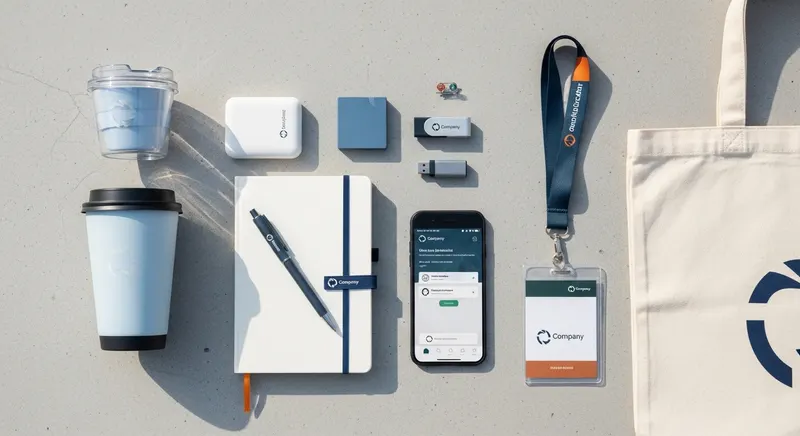
Planning a conference is no small feat. Between securing the venue, coordinating speakers, managing registrations, and designing the program, it’s easy to treat merchandise as an afterthought — something to sort out in the final two weeks before the event. But here’s the thing: conference merchandise is often the most tangible, lasting impression your event leaves on delegates. Long after the keynote speeches fade from memory, a well-chosen branded product sitting on someone’s desk in a Sydney office or a Melbourne co-working space keeps your event — and your brand — front of mind. Done right, conference merchandise can elevate the delegate experience, reinforce your event’s key messages, and deliver genuine marketing value well beyond the event itself.
Why Conference Merchandise Matters More Than You Think
There’s a persistent misconception that conference bags are just a collection of branded clutter — cheap pens and flimsy notepads that end up in a recycling bin. But that’s a product selection problem, not a merchandise problem. Delegates at corporate conferences, industry summits, trade expos, and professional development events genuinely appreciate thoughtful, useful items. The keyword here is useful. Products that solve a problem or enhance the delegate experience at the event itself tend to get kept. Products that feel generic or low-quality tend to get discarded.
For marketing agencies managing event merchandise on behalf of clients, and for resellers sourcing branded products for conference organisers, understanding what drives delegate retention of merchandise is essential. According to research from the Advertising Specialty Institute, promotional products have some of the lowest cost-per-impression metrics of any advertising medium — and branded merchandise given at events consistently outperforms other giveaway channels in terms of recall and brand sentiment.
The stakes are real. A well-executed merchandise package for a 500-delegate conference in Brisbane or a 1,200-person industry summit in Melbourne can meaningfully shift how attendees perceive the event organiser’s brand, attention to detail, and investment in the delegate experience.
Choosing the Right Products for Your Conference Merchandise Pack
Not every product suits every conference. The right choices depend on your event format, your delegate profile, your brand values, and your budget. Let’s break down the key categories worth considering.
Drinkware: The Reusable Revolution
Reusable drinkware has become arguably the most universally appreciated category in conference merchandise. Delegates use them throughout the event itself — at morning tea, during workshops, at networking drinks — and then take them back to their offices or homes. A quality branded water bottle or keep cup is genuinely used every day by most professionals.
For sustainability-focused conferences, consider insulated stainless steel options. If your budget allows for premium items, a flat water flask or a shake bottle works especially well for health and wellness industry events. For eco-conscious organisations — think government agencies, environmental non-profits, or sustainability-focused corporates — choosing products with clear green credentials adds an important layer of brand alignment.
Bags: Your Conference Merchandise Delivery Vehicle
The conference bag or tote is often the container for your entire merchandise pack, so it deserves careful thought. A flimsy, single-use bag undermines even the best product selection inside it. A quality reusable bag, on the other hand, becomes a walking advertisement for your event long after the conference wraps up.
Options range from classic promotional shopping bags to premium conference totes with multiple compartments, padded laptop sections, and durable construction. For delegates attending multi-day expos or conventions, consider a shopping tote with genuine carrying capacity. At events with a foodie or lifestyle element, a tiny cooler bag or insulated tote bag adds a premium, practical touch. For eco-forward events, reusable grocery bags in recycled or organic materials align with broader sustainability messaging.
Tech Accessories: High Perceived Value, Consistently Appreciated
Tech items consistently score highest in perceived value among corporate conference delegates. The most popular choices include portable chargers, USB drives, and phone accessories. A solar power bank is a particularly compelling option for outdoor events or sustainability-themed conferences — the product itself communicates the brand’s values.
USB drives remain practical giveaways, especially when pre-loaded with conference resources, speaker presentations, or program materials. Our guide to promotional USB sticks covers what to look for when sourcing these in bulk. USB-A chargers are another high-utility item that delegates genuinely use — and they tend to stick around in bags, desk drawers, and travel kits for years.
Stationery: The Conference Staple Done Right
Stationery is the backbone of conference merchandise — but only when it’s executed well. A premium hardcover notebook with branded embossing alongside a quality pen is a completely different proposition to a cheap spiral notepad and a biro. Notebooks and pens used during sessions have a unique advantage: delegates actively engage with them throughout the event, reinforcing brand exposure every time they take notes.
Branded stickers are an increasingly popular addition to conference stationery packs, particularly at tech, creative, and start-up events. Delegates use them on laptops and water bottles, turning conference merchandise into organic brand promotion.
Apparel: When It Works and When It Doesn’t
Branded apparel at conferences works best in specific contexts. Staff and volunteer uniforms are the obvious use case — screen-printed polo shirts, branded caps, or hi-vis vests for event crew are standard practice. Delegate apparel is more nuanced. Event t-shirts for multi-day festivals, workshops, or sports-adjacent conferences can work well. For professional corporate conferences, most delegates won’t wear a branded t-shirt — but they might appreciate a quality cap or a sublimated wristband.
If apparel is part of your merchandise strategy, sublimation printing opens up far more design possibilities than standard screen printing, allowing full-colour, all-over prints that genuinely stand out.
Budgeting for Conference Merchandise
Budget planning for conference merchandise is something marketing agencies and event organisers often underestimate until they’re already knee-deep in supplier quotes. A useful framework is to think in terms of cost-per-delegate. At the lower end, a merchandise pack of around $8–$15 per delegate might include a branded tote, a pen, a notepad, and a sticker sheet. Mid-range packs in the $20–$40 range can incorporate quality drinkware and a tech accessory. Premium packs above $40 per delegate allow for multiple high-value items — a quality insulated bottle, a power bank, a premium notebook, and branded apparel.
Bulk pricing thresholds matter enormously at conference scale. A 500-delegate conference in Adelaide or Perth will typically unlock significantly better per-unit pricing than a smaller 100-person event — which is worth factoring into initial conversations with suppliers. Always ask about setup fees for each decoration method, as these can add meaningfully to the total cost at lower quantities.
Decoration Methods: Getting the Branding Right
Different products suit different decoration methods, and choosing the right approach affects both the visual outcome and the cost structure.
- Screen printing is cost-effective for large runs of bags, totes, and apparel
- Embroidery adds a premium feel to caps, polo shirts, and bags — well-suited to corporate and government events
- Laser engraving is ideal for metal drinkware, USB drives, and premium stationery items
- Pad printing works well for pens and small accessories
- Sublimation enables vibrant, complex artwork on apparel and some drinkware
For conference merchandise, it’s common to use multiple decoration methods across the pack — for example, screen-printed tote bags combined with laser-engraved water bottles and embroidered caps for event staff.
Ordering Timelines and Practical Tips
Turnaround time is the most common source of stress in conference merchandise projects. For custom-decorated products, a realistic minimum lead time from confirmed artwork to delivered goods is typically 10–15 business days for standard orders, and 3–5 weeks for larger or more complex projects. Rush fees apply when timelines compress — and they add up quickly at high volumes.
For large conferences, seasoned event professionals recommend locking in merchandise orders at least 6–8 weeks before the event date. This buffer allows time for artwork proofing, sample approval, production, and freight — especially important for events in Darwin, Hobart, or regional locations where freight timelines are longer.
Other practical tips worth keeping in mind:
- Always request a physical sample before committing to large production runs
- Provide artwork in vector format (AI or EPS) to avoid reproduction issues
- Confirm PMS colour codes with your brand guidelines to ensure colour accuracy
- Factor in 5–10% overage on quantities to cover last-minute registrations
Novelty Items and Memorable Touches
Beyond the practical staples, memorable conference merchandise often includes something unexpected. Personalised towels work beautifully for wellness retreats, health industry conferences, and sporting events. Recipe cards are a charming, on-brand addition for food industry events or health and nutrition conferences. At product launch events or brand activations with a fun edge, personalised shot glasses can make a memorable keepsake. Branded soccer balls are a surprisingly effective giveaway at sports industry events, team-building conferences, and community events.
The key is relevance. The most memorable conference merchandise connects meaningfully to the event’s theme, industry, or audience — rather than defaulting to generic options simply because they’re familiar.
It’s also worth exploring seasonal timing. Conferences held during the warmer months across Queensland, Western Australia, and the Northern Territory call for different product choices than those held during Canberra or Hobart winters. Our roundup of summer promotional products in Melbourne offers useful inspiration for warm-weather event merchandise planning.
Conclusion: Key Takeaways for Conference Merchandise in 2026
Getting conference merchandise right requires planning, product knowledge, and a clear understanding of what your delegates actually value. Here are the essential takeaways:
- Prioritise usefulness over novelty — products delegates will genuinely use long after the event deliver the best return on investment
- Plan lead times carefully — aim to lock in orders 6–8 weeks before your conference date to avoid rush premiums and stress
- Match products to your audience and event theme — a sustainability summit calls for different merchandise choices than a financial services conference
- Think beyond the basics — tech accessories, quality drinkware, and on-theme novelty items consistently outperform generic stationery as delegate favourites
- Work with suppliers who understand conference scale — volume pricing, bulk logistics, and decoration expertise matter enormously at event quantities
With the right approach, conference merchandise becomes far more than a bag of branded giveaways — it becomes an integral part of the delegate experience and a long-term ambassador for your brand.