
How to Order a Company Polo Shirt With Logo: The Complete Australian Guide
Learn how to order company polo shirts with logos in Australia — decoration methods, MOQs, budgeting tips, and how to choose the right supplier.

Written by
Riley Monk
Custom Apparel
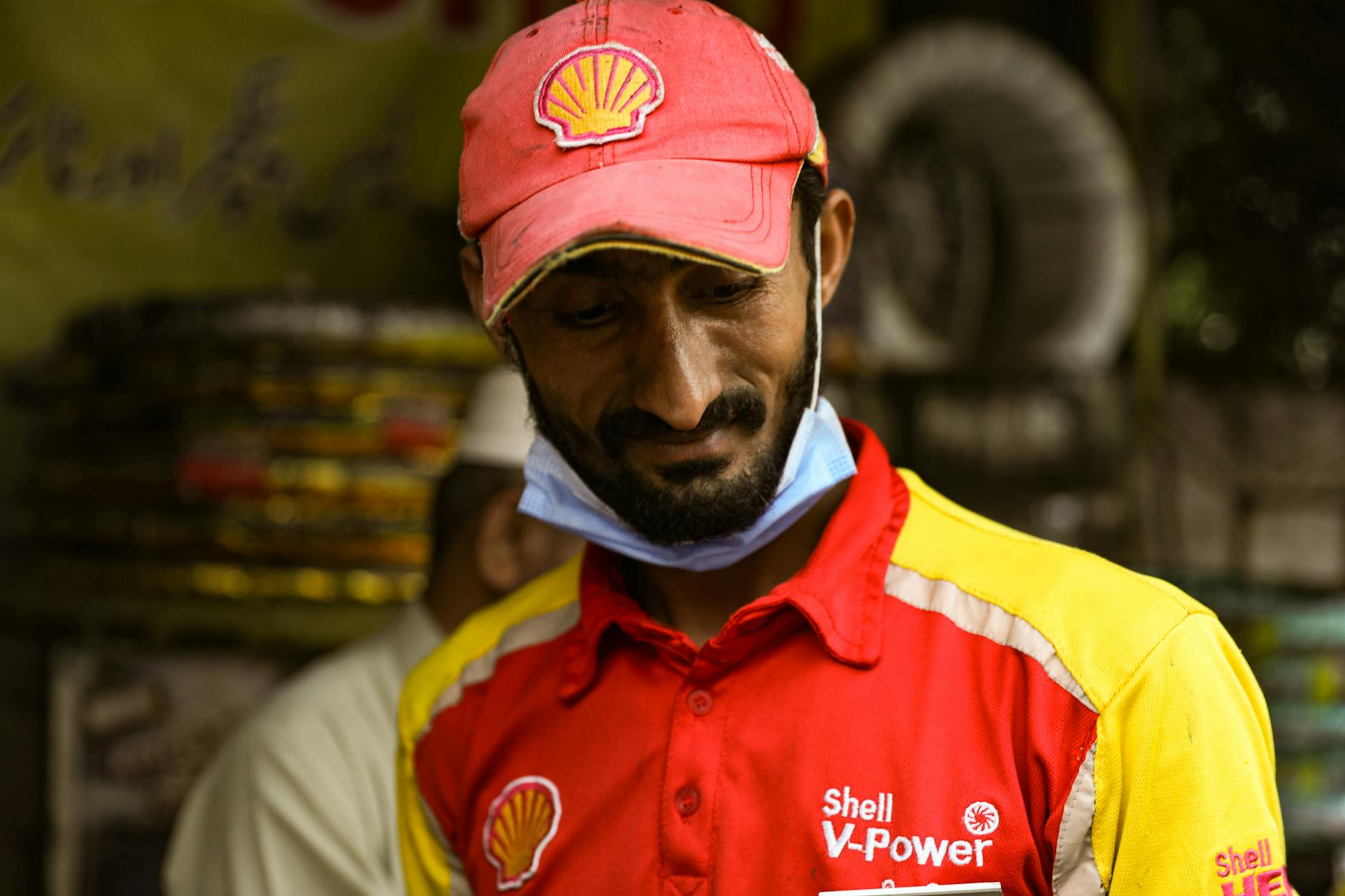
When it comes to presenting a professional, unified image for your business, few products deliver as consistently as a company polo shirt with logo. Whether you’re outfitting a retail team in Brisbane, equipping a Perth trades business, or kitting out corporate staff ahead of a Sydney conference, the branded polo remains one of the most practical and enduring workwear investments an Australian business can make. But getting it right — choosing the right fabric, decoration method, supplier, and order process — takes more know-how than many buyers expect. This guide breaks down everything you need to know.
Why the Company Polo Shirt With Logo Remains a Workplace Staple
There’s a reason the polo shirt has stayed popular across industries for decades. It sits neatly between casual and formal, making it ideal for environments where a full uniform feels too stiff but a plain t-shirt looks too relaxed. Think of the hospitality team at a Melbourne hotel, the customer service staff at a Gold Coast resort, or the administration team at a Canberra government department — a branded polo projects professionalism without sacrificing comfort.
For businesses and marketing agencies managing branded merchandise programs, the polo shirt also delivers exceptional visibility. Every time a staff member is seen on the job, on the road, or at an industry event, the company logo is front and centre. That’s passive brand exposure that no digital campaign can fully replicate.
From a reseller perspective, company polo shirts are a high-demand, repeat-order product. Clients return season after season as teams grow, staff change, or new departments are added. Understanding the full ordering process means you can serve those clients more effectively and avoid the common pitfalls that lead to delays and disappointment.
Choosing the Right Polo Shirt Style for Your Business
Before you even think about your logo, you need to choose the right garment. Not all polo shirts are created equal, and the wrong choice for your environment can lead to discomfort, poor decoration results, or a look that simply doesn’t align with your brand.
Fabric Options and Their Impact
The most common fabric options you’ll encounter include:
- 100% Cotton Polos – Breathable and comfortable, popular for retail and hospitality environments. However, they can shrink, fade faster, and don’t always hold decoration as crisply.
- Cotton/Polyester Blends (65/35 or 50/50) – The most popular choice for workwear. These blends balance comfort with durability and hold both embroidery and screen printing extremely well.
- 100% Polyester (Performance Polos) – Ideal for outdoor industries, trade roles, and sports. Moisture-wicking properties make them suitable for Darwin construction teams or Queensland outdoor hospitality staff.
- Piqué Knit – The classic polo texture. It gives a structured, professional look and is the go-to for corporate environments in cities like Melbourne and Sydney.
For most business applications, a mid-weight cotton/poly blend in piqué knit hits the sweet spot. It looks polished, wears well across seasons, and accommodates most decoration methods without issue.
Fit, Sizing, and Colour Selection
Getting sizing right for a team order requires careful planning. Encourage clients or end-users to review a size chart before placing orders. Many Australian suppliers can provide pre-production samples, which is highly recommended for orders of 50 pieces or more. You don’t want to be managing 40 returns from a frustrated Adelaide retail client because sizes ran small.
Colour selection also matters more than people realise. Dark colours like navy, black, and charcoal tend to be the most popular for corporate settings and offer excellent contrast for embroidered logos. If you’re working with a business that has a specific PMS brand colour, check with your supplier about available stock colours and whether an exact match is feasible — because in most cases with stock garments, an exact PMS match isn’t guaranteed.
Decoration Methods for a Company Polo Shirt With Logo
This is where many buyers get overwhelmed. The decoration method you choose has a significant impact on the final look, feel, durability, and cost of your order. If you want to understand the full picture, our guide to screen printing vs embroidery for branded apparel covers the key trade-offs in detail.
Embroidery
Embroidery is by far the most popular decoration method for company polo shirts. It gives logos a premium, three-dimensional appearance and is exceptionally durable — the branding holds up through hundreds of commercial washes without fading or peeling.
The standard placement is the left chest, though sleeves and centre chest are also common. Keep in mind that embroidery is thread-based, so highly detailed logos with fine lines or colour gradients can be tricky to reproduce accurately. Your supplier will convert your artwork into a digitised stitch file — this is called digitising and typically incurs a one-off setup fee, usually between $50 and $150 depending on complexity.
Screen Printing
Screen printing is better suited to simpler, bold designs and is typically more cost-effective at higher quantities. It works best on cotton and cotton-blend fabrics. For a polo shirt, it’s most commonly used for back prints, sleeve prints, or simple chest logos where a flatter appearance is acceptable.
Screen printing requires a separate screen for each colour in your design, so multi-colour logos increase setup costs. Our overview of common decoration methods for promotional apparel explains the full setup fee structure and how to budget accordingly.
Heat Transfer and Sublimation
Heat transfer vinyl is useful for short runs or small team orders where MOQs are a concern. Sublimation, on the other hand, is only suitable for 100% polyester garments — it produces a vibrant, all-over print that’s bonded into the fabric itself. While it’s stunning for performance polo shirts, it’s not appropriate for cotton or blended workwear polos.
Understanding MOQs, Turnaround Times, and Pricing
For businesses and resellers new to ordering branded apparel, minimum order quantities (MOQs) can come as a surprise. Here’s a realistic guide to what to expect in Australia.
Typical MOQs for Branded Polo Shirts
- Embroidery: Most suppliers start at 12–24 pieces per design/colourway
- Screen printing: Generally 25–50 pieces minimum due to screen setup
- Heat transfer: Often available from as low as 6–12 pieces, making it suitable for small team orders
If a client needs only a handful of shirts — say, a three-person real estate team in Hobart — heat transfer may be their only cost-effective option at that quantity. Our article on ordering branded uniforms in small quantities covers the options available when MOQs are a barrier.
Pricing and Budget Expectations
Polo shirt pricing in Australia varies significantly based on garment quality, decoration complexity, and order quantity. As a rough guide for resellers building quotes:
- Entry-level polo + embroidery (24 pieces): $25–$40 per unit
- Mid-range polo + embroidery (50 pieces): $20–$32 per unit
- Premium corporate polo + embroidery (100+ pieces): $18–$28 per unit
Setup fees for embroidery digitising are usually a one-off cost, so repeat orders are more economical. Always factor in GST, freight to the client’s location, and any turnaround urgency fees into your quotes.
Turnaround Times
Standard production for a company polo shirt order in Australia typically runs 10–15 business days after artwork approval. Rush orders may be available at an additional cost, but it’s always better to plan ahead. For large orders — 200+ pieces across multiple sizes and colours — allow 3–4 weeks to be safe.
If your client is in a hurry, check whether stock garments are held locally. Suppliers with warehousing in Sydney, Melbourne, and Brisbane can often ship blanks to decorators faster than those relying on international restocking. Learn more about managing timelines in our guide to turnaround times for custom uniforms and workwear.
Artwork and File Requirements
Nothing holds up a polo shirt order faster than incorrect artwork. Most suppliers require vector files — typically .ai, .eps, or high-resolution .pdf formats. Artwork submitted as a low-resolution JPEG from a website will almost certainly need redrawing, which adds time and cost to the project.
For embroidery, the supplier’s decorator will use your vector artwork to create a stitch file (a .dst or .emb file). This digitising process interprets your design in thread, so colours need to match to available thread colours — usually matched against Madeira or Isacord thread ranges rather than PMS values. Our artwork setup guide for custom promotional products walks through the file formats and specifications you’ll need to have ready.
Always request an artwork proof before approving production. For embroidered logos, a physical sew-out sample is worth requesting on larger orders — it confirms stitch count, colour accuracy, and sizing before full production begins.
Sourcing the Right Supplier for Polo Shirt Orders
For resellers and marketing agencies placing regular polo shirt orders, finding a reliable wholesale supplier is critical. You need a supplier who holds strong stock levels, communicates clearly, and has quality control processes that protect your reputation with clients.
Key things to evaluate when vetting a polo shirt supplier include stock availability across common sizes, their decorator network and decoration capabilities, sample policies, and their approach to managing colour variations between production runs. Our guide to evaluating promotional product suppliers in Australia gives a thorough rundown of what to assess before committing to a supplier relationship.
For businesses sourcing directly without a reseller, the same principles apply — don’t skip the sample stage, always confirm stock levels before quoting lead times to your team, and make sure your artwork is production-ready before placing the order.
If sustainability is a consideration for your brand — and increasingly, it is — ask suppliers about polo shirts made from organic cotton, recycled polyester, or certified sustainable fabrics. Our overview of eco-friendly promotional apparel options covers what certifications to look for and which fabric claims are backed by genuine credentials.
Conclusion: Key Takeaways for Ordering a Company Polo Shirt With Logo
A well-executed company polo shirt with logo is one of the best branding investments a business can make. It builds team cohesion, projects professionalism, and keeps your brand visible in the real world. But a successful order requires planning, the right product selection, and a clear understanding of the decoration process.
Here are the key takeaways to carry forward:
- Choose your fabric based on your environment. A cotton/poly piqué blend suits most corporate and retail applications; performance polyester works better for outdoor or trade roles.
- Embroidery is the gold standard for polo shirt branding — it’s durable, professional, and worth the digitising setup cost for any order of 20+ pieces.
- Understand your MOQs and plan accordingly. Small teams may need to explore heat transfer as an alternative to meet minimum order requirements cost-effectively.
- Get your artwork right before you order. Vector files, correct colour specs, and a proof approval process will save you time and money every single time.
- Build a relationship with a reliable supplier. For resellers especially, consistent quality and clear communication are worth more than saving a few dollars per unit on garment cost.
With the right approach, a company polo shirt order is straightforward — and the results speak for themselves every time your team walks through the door.