
Chocolate Advent Calendars as Promotional Products: A Supplier Guide for Australian Businesses
Discover how to source branded chocolate advent calendars for corporate promotions in Australia — tips on suppliers, MOQs, and ordering timelines.

Written by
Lucas Fernandez
Seasonal & Holiday
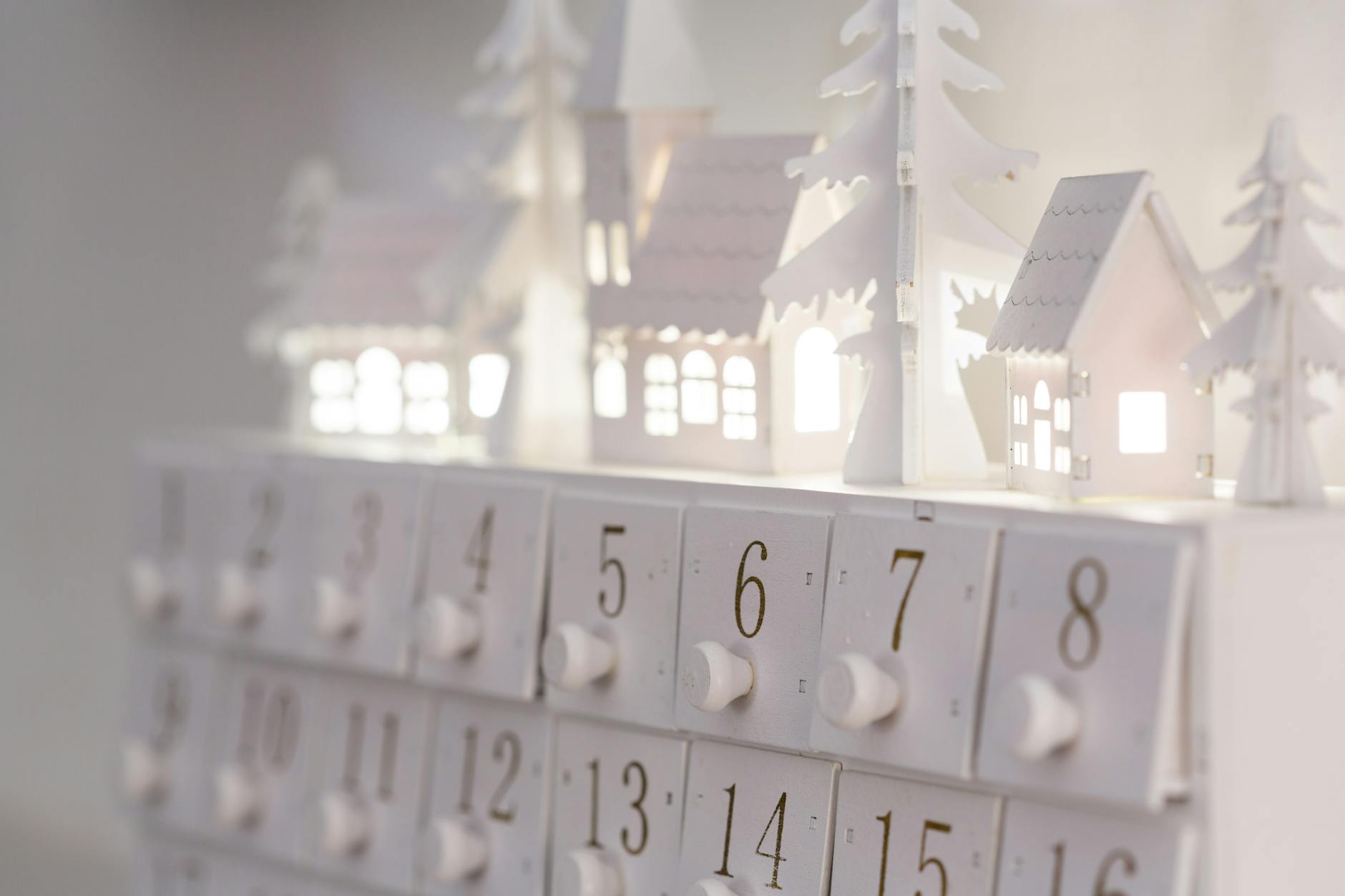
Sourcing a promotional product that clients genuinely look forward to receiving is rare. Most branded merchandise gets a polite nod of appreciation before being tucked into a drawer or tossed into a bag. Chocolate advent calendars are different. They create anticipation, get used daily throughout December, and keep your brand front-of-mind for a full 24 days straight. For Australian businesses, marketing agencies, and resellers hunting for a standout Christmas gifting solution, branded chocolate advent calendars represent one of the most engagement-rich promotional products available in the seasonal category — provided you know exactly where to look, when to order, and what to watch out for.
Why Chocolate Advent Calendars Work So Well as Promotional Products
There’s a reason these products have surged in popularity among corporate gifting teams across Sydney, Melbourne, Brisbane, and beyond. The core mechanic of an advent calendar — one compartment opened per day throughout the first 24 days of December — means your brand lives on a desk, a kitchen bench, or a break room shelf for nearly a month. That’s an extraordinary amount of passive brand exposure compared to, say, a branded pen or a USB drive.
Beyond mere impressions, there’s an emotional quality to chocolate advent calendars that’s hard to replicate with other merchandise. Recipients associate the product with nostalgia, celebration, and reward. When your logo or your client’s logo appears on the front panel, that goodwill transfers directly to the brand. It’s a strong psychological anchor for relationship marketing.
For resellers working with marketing agencies or corporate clients, advent calendars also command a higher perceived value than their unit cost might suggest. A beautifully printed chocolate advent calendar can look premium while sitting within a reasonable per-unit budget — particularly when ordered in bulk with a strong supplier.
To understand how the promotional products landscape in Australia is shifting, it’s worth reading the latest findings in our promotional products industry report for Australia, which highlights the growing demand for experiential and food-based gifting.
Understanding the Supplier Landscape for Chocolate Advent Calendars in Australia
Finding the right supplier is where many businesses stumble. Chocolate advent calendars straddle two worlds — confectionery manufacturing and promotional merchandise — and not every supplier operates comfortably in both.
What to Look for in a Supplier
When evaluating suppliers, there are several non-negotiables worth assessing:
Food-grade compliance and chocolate sourcing: The chocolate inside the calendar needs to meet Australian food standards. Suppliers should be able to confirm that their chocolate is food-safe and, ideally, provide information about sourcing — whether it’s compound, couverture, or a certified product.
Branding options for the outer box: The primary branding real estate is the calendar’s outer packaging — typically a large, flat panel ideal for full-colour printing. Ask your supplier about their decoration method. Digital printing and offset printing are most common, and the finish (gloss, matte, spot UV) can dramatically affect the perceived quality. For context on how decoration methods affect brand presentation, our guide to pad printing services for promotional products in Brisbane offers useful background on print processes more broadly.
MOQs: Minimum order quantities vary widely in this category. Some suppliers will fulfil orders from as low as 50 units for pre-designed advent calendar shells, while fully custom designs typically require a minimum of 250–500 units. If your client needs 30 calendars for an executive team in Adelaide, you may need a different approach than a Canberra government department ordering 2,000 units for staff.
Lead times: This is the single most critical factor with advent calendars. Because the product is seasonal, it is absolutely time-sensitive. Most suppliers require confirmed orders with approved artwork by late August or early September to guarantee delivery before 1 December. Orders placed in October or November may face premium rush fees — or simply may not be fulfilled in time.
The Importance of Getting Ahead of the Season
Every experienced reseller in the Australian promotional products space knows that Christmas merchandise needs to be ordered far earlier than clients typically expect. Chocolate advent calendars amplify this urgency. Confectionery production has long lead times, packaging components need to be manufactured, and then there’s freight. If you’re importing from an overseas manufacturer — which many suppliers do — allow additional time for shipping, customs clearance, and quality checking.
As a general rule of thumb:
- March–May: Ideal time to brief suppliers, request samples, and lock in pricing for large orders
- June–July: Artwork finalisation and order placement for large corporate runs
- August: Last comfortable window for standard lead time orders
- September: Possible for smaller quantities with rush fees
- October onwards: High risk — most suppliers will not guarantee delivery
This urgency mirrors advice we cover in our guide to sourcing promotional fruit boxes for Christmas gifts in Australia, another perishable gift category where timing is everything.
Branding and Customisation Options for Chocolate Advent Calendars
The level of customisation available depends on your budget and order quantity. Here’s how the tiers typically break down.
Stock Shell Calendars with Custom Label or Sleeve
The most accessible entry point. A supplier provides a pre-manufactured advent calendar structure with generic or unbranded packaging, and your artwork is applied via a printed sleeve, belly band, or label insert. Cost-effective and faster to produce, but the branding area is more limited.
Fully Custom Printed Outer Box
The most common option for corporate orders. The entire outer panel — front, sides, back, and sometimes inside flap — is printed with your design. This is where brand storytelling happens. Think about this as a canvas: your company’s seasonal messaging, client name, brand colours, and imagery all work together to create something genuinely giftable. PMS colour matching may be available from premium suppliers; always confirm this if colour accuracy is critical to your brand.
Custom Chocolate Pieces
For larger budgets and higher quantities, some suppliers can produce chocolates with custom shapes or branded foil wrapping inside each door. This elevates the product from a branded box to a fully immersive brand experience — but expect significantly higher MOQs (often 1,000+ units) and longer lead times.
For businesses that want a broader mix of seasonal branded merchandise beyond advent calendars, consider pairing them with complementary products. Our round-up of mothers day branded gifts for suppliers demonstrates how seasonal gifting strategies can be built around a core hero product.
Budget Considerations and Pricing Structures
Chocolate advent calendars are not the cheapest promotional product on the market, but the ROI in terms of daily brand exposure is exceptional. Here’s a rough pricing guide for Australian orders in 2026:
- 50–100 units (stock shell with custom label): $12–$22 per unit
- 100–500 units (custom printed outer box): $18–$35 per unit
- 500–2,000+ units (fully custom with premium chocolate): $25–$55+ per unit
Setup fees for artwork and plate preparation can range from $150 to $600 depending on the number of print colours and complexity of the design. Always ask your supplier to itemise setup fees separately from unit costs when requesting a quote.
Volume discounts apply at most major tier breaks — typically at 100, 250, 500, and 1,000 units. If you’re a reseller managing multiple client orders, it’s worth exploring whether a supplier will allow you to aggregate orders across clients to hit better pricing tiers.
For resellers developing their supplier relationships more broadly, our guide to promotional products for Western Sydney businesses and our coverage of emerging markets for promotional products in Asia Pacific offer helpful context on building a diversified product portfolio.
Pairing Chocolate Advent Calendars with Other Branded Gifts
A chocolate advent calendar makes a fantastic centrepiece for a corporate Christmas gift package, but it can be elevated further when bundled with complementary products. Consider pairing with:
- Branded keep cups or drinkware: A branded mug or reusable cup alongside an advent calendar creates a complete “Christmas morning” feel. Our guide on how to brand round promotional products like mugs covers decoration options for drinkware worth exploring.
- Eco-friendly stationery or accessories: For clients with sustainability values, pair with items like ocean plastic recycled office supplies or hemp branded wallets for a gift pack that aligns with their environmental commitments.
- Branded notebooks: A quality padfolio or notebook makes a practical addition to any corporate gift box. See our promotional padfolio notebooks guide for supplier tips.
- Tech accessories: Power banks, earbuds, or smart tags round out a premium gift set. Our guide to promotional earbuds in Adelaide and laser engraved smart tags Australia are worth reviewing if you’re building a bundled gift offer.
Bundles increase perceived value for the end recipient and allow resellers to increase order value — a win on both sides. When presenting bundled gift proposals to clients, always quote the gift set as a package price to simplify the decision-making process.
Practical Tips for Resellers and Marketing Agencies
If you’re a reseller or agency managing chocolate advent calendar orders on behalf of multiple clients, here are some operational tips that will save you headaches:
Confirm dietary requirements: Always ask your supplier about allergen information. Many corporate clients will need to confirm that products are nut-free, gluten-free, or halal-certified for distribution across diverse teams. This is particularly important for large government or healthcare clients.
Request a physical sample before approval: Never approve a full run based on a digital mock-up alone. Request a pre-production sample — or at minimum a signed-off proof from a previous production run — to confirm colour accuracy and chocolate quality.
Confirm freight conditions: Chocolate melts. If your client is in Darwin, Perth, or anywhere with a warm climate during November or December, confirm that your supplier uses temperature-controlled or insulated freight options. Freight conditions should be documented in your supplier agreement.
Plan for fulfilment: Will your supplier deliver directly to the end client, or will stock come to you for repackaging and distribution? For event or conference use, see our guide on event merchandise for trade shows in Brisbane for broader logistics tips.
Key Takeaways
Chocolate advent calendars are a standout choice for businesses and resellers looking to make a genuine impact during the Christmas gifting season. Here’s what to remember:
- Order early: Lock in your order by July or August at the latest for standard lead times. September is possible with rush fees; October onwards is high risk.
- Know your supplier’s capabilities: Not every promotional products supplier handles food items — confirm food compliance, branding options, and MOQs before committing.
- Match customisation to budget: Stock shell calendars with custom labels suit smaller orders and tighter budgets; fully custom boxes deliver maximum brand impact for mid-to-large runs.
- Bundle for higher value: Pairing advent calendars with drinkware, stationery, or tech accessories creates memorable gift sets that elevate the overall brand experience.
- Think about end-user experience: Allergen information, packaging quality, and freight conditions all affect how the recipient experiences your client’s brand — don’t overlook the details.
When sourced and executed well, branded chocolate advent calendars don’t just sit on a shelf — they become part of a recipient’s daily December ritual. That’s the kind of brand engagement most promotional products can only dream of delivering.