
Branded Vitamins With Custom Labels: The Complete Guide for Health Businesses in Australia
Discover how to source branded vitamins with custom labels for health businesses in Australia, including suppliers, MOQs, label options, and budgeting tips.

Written by
Lucas Fernandez
Seasonal & Holiday
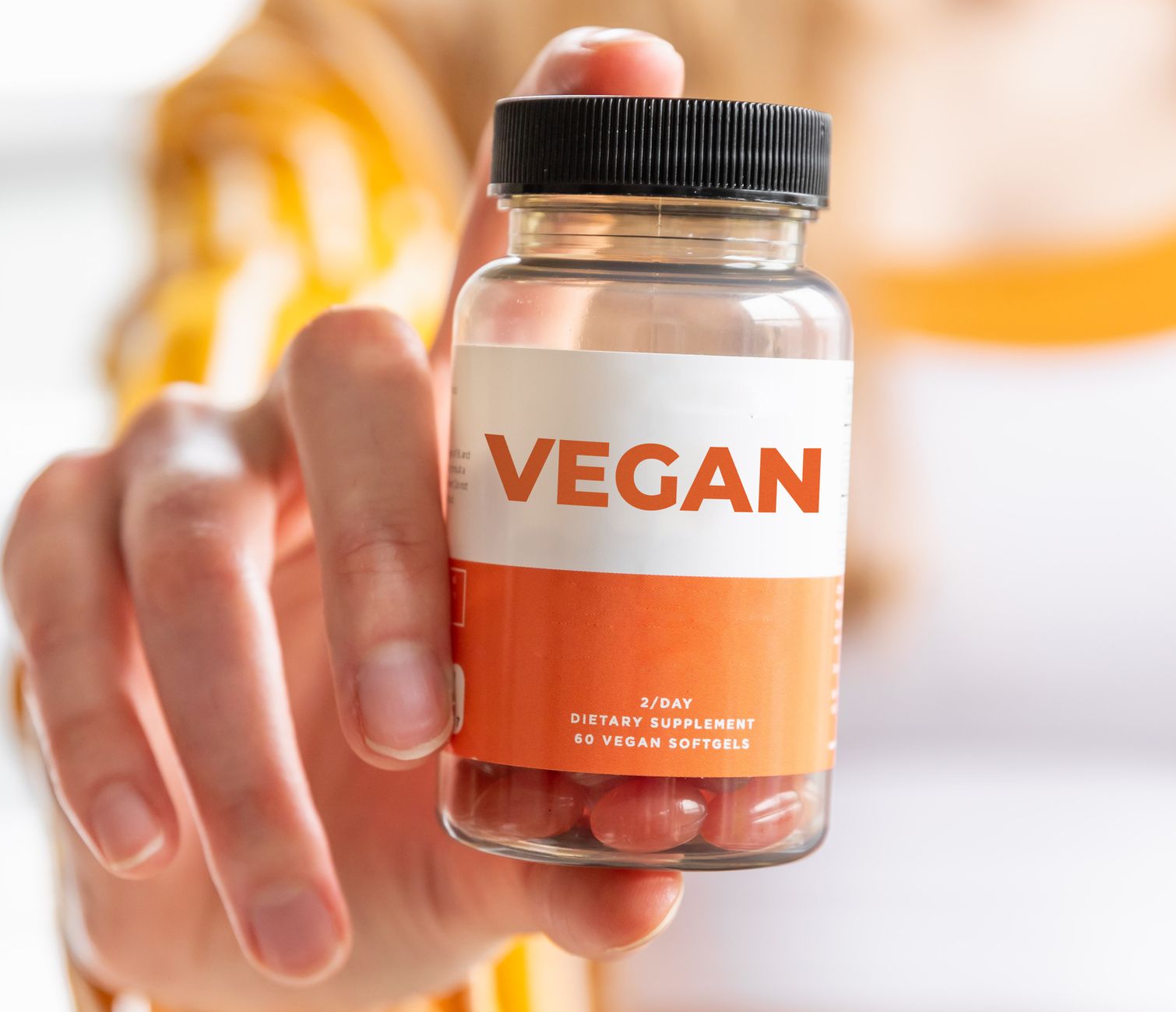
Wellness is no longer just a trend — it’s become a core expectation for modern consumers, and health businesses across Australia are capitalising on this shift in a very tangible way. Branded vitamins with custom labels for health businesses represent one of the most strategic product opportunities of 2026, offering a way to extend your brand into your clients’ daily routines, generate recurring revenue, and position your business as a trusted health authority. Whether you’re a naturopath in Adelaide, a corporate wellness provider in Sydney, or a gym brand in Brisbane, custom-labelled vitamins and supplements allow you to put your brand on a product that your customers genuinely use every single day.
Why Branded Vitamins Are Growing in Popularity for Australian Health Businesses
The Australian supplement market has experienced extraordinary growth over the past decade, and the appetite for private-label and custom-branded health products has followed suit. Consumers are increasingly conscious about what they put into their bodies, and they’re drawn to brands they already trust. When your logo appears on a quality vitamin supplement — rather than a generic pharmacy brand — it creates a powerful association between your business and your customer’s wellbeing.
For resellers and marketing agencies, this category is particularly exciting because the perceived value of custom-labelled vitamins far exceeds their cost of production. A branded bottle of premium magnesium or a packet of vitamin D gummies feels like a thoughtful, premium gift rather than a generic promotional item. Compare that with something like a branded pen or stress ball — vitamins genuinely improve lives, and that emotional connection sticks.
Health businesses that commonly invest in this space include:
- Naturopaths and integrative medicine clinics
- Gyms, CrossFit boxes, and personal training studios
- Corporate wellness programs and employee health initiatives
- Pharmacies and health food retailers
- Physiotherapy and chiropractic practices
- Nutritionists and dietitians
- Yoga studios and wellness retreat centres
Even organisations outside the traditional health sector are exploring this space. A Melbourne HR consultancy running a staff wellness program, for example, might source custom-branded multivitamins as part of a quarterly wellbeing kit. The versatility is enormous.
Understanding How Private-Label Vitamins Work in Australia
Before diving into custom labels and branding options, it’s important to understand how the private-label supplement model actually works. In Australia, the Therapeutic Goods Administration (TGA) regulates complementary medicines, which includes vitamins, minerals, and herbal supplements. This means that legitimate private-label vitamin suppliers must already have their products listed or registered with the TGA before you can put your label on them.
What “Custom Label” Actually Means
When suppliers talk about branded vitamins with custom labels for health businesses, they’re typically referring to a white-label or private-label model. The supplier has already manufactured and TGA-listed the product. You simply provide your artwork and branding, which is applied to the packaging — whether that’s a glass or plastic bottle, a sachet, a foil pouch, or a box.
This means you don’t need to formulate the product yourself, handle manufacturing compliance, or manage ingredient sourcing. The supplier takes care of all of that. Your job is to select the right product formula from their existing range, create compliant label artwork, and order your desired quantity.
TGA Compliance and Label Requirements
This is where many first-time buyers get tripped up. TGA-listed supplements have strict label requirements that must be met regardless of who’s selling the product. Your custom label must include:
- The AUST L or AUST R number (confirming TGA listing or registration)
- The business name and address of the label owner (this is typically the supplier, not you, unless you’re a licence holder)
- Ingredient information and warnings
- Directions for use and dosage
Reputable suppliers will guide you through this process and ensure your label artwork is compliant before going to print. Never work with a supplier who allows you to omit required TGA information from the label — this could expose your business to serious regulatory risk.
Choosing the Right Supplement Products for Your Brand
The supplement category is vast, so it’s worth narrowing down your product selection based on your audience and business goals. Here are some of the most popular product categories for health businesses in 2026:
High-Demand Vitamin and Supplement Products
- Multivitamins — the most universally appealing option, suitable for almost any audience
- Magnesium — particularly popular with fitness brands, physiotherapists, and sleep wellness businesses
- Vitamin D3 — huge demand across southern states like Victoria and Tasmania where sun exposure is limited
- Omega-3 fish oil or vegan omega-3 (algal oil) — popular with heart health and brain function positioning
- Probiotics — ideal for gut health clinics, naturopaths, and wellness retreat programs
- Collagen — a standout option for beauty-wellness crossover brands and anti-ageing clinics
- Pre-workout and protein powders — popular with gyms, sports clubs, and personal trainers
- Sleep support formulas — melatonin-adjacent blends with magnesium, L-theanine, and passionflower
If your health business has a specific niche, working with a supplier who can help you match a formula to your brand positioning is well worth the extra time. For instance, a women’s health naturopath in Perth would have very different needs from a Brisbane CrossFit gym.
Label Design, Decoration Methods, and Packaging Options
Your label is where your brand comes to life on the product, so this isn’t the place to cut corners. Most private-label vitamin suppliers use digital printing for labels, which allows full-colour artwork, small minimum order quantities, and fast turnaround. Some premium suppliers offer embossed or foiled label elements for a more luxury feel — particularly relevant for gift-focused products or high-end wellness clinics.
If you’re working with a marketing agency or branding team, understanding digital printing services for promotional products in Melbourne is a useful reference point for appreciating how print quality impacts brand perception across product categories.
For supplement packaging specifically, you’ll typically choose from:
- Amber glass bottles — premium look, great for tinctures, liquid supplements, and high-end positioning
- White HDPE plastic bottles — the industry standard for capsules and tablets; cost-effective and widely available
- Stand-up foil pouches — popular for powders and gummies; excellent shelf presence
- Carton boxes — great for sachets or blister packs; premium unboxing experience
- Custom printed sachets — ideal for single-serve products and samples
For an interesting comparison on sustainable packaging and how eco-conscious brands approach labelling, our feature on ocean plastic recycled office supplies in Australia provides useful context on how brands are increasingly factoring environmental values into their product sourcing decisions.
Minimum Order Quantities, Pricing, and Lead Times
One of the most common questions from first-time buyers is: “How many do I need to order?” MOQs for private-label vitamins in Australia vary significantly depending on the supplier and the product format.
Typical MOQs to Expect
- Capsules and tablets (bottled): 100–500 units per SKU is common for white-label products
- Powders (bulk pouches): Often 50–200 units depending on pouch size
- Gummies: Generally higher MOQs — often 500–1,000 units due to manufacturing constraints
- Custom formulations: Usually 1,000+ units and significantly longer lead times
Pricing Considerations
Pricing depends heavily on the formula complexity, packaging type, and order volume. As a general guide:
- Budget-tier vitamin products (basic multivitamins, vitamin C): $5–$12 per unit at entry-level MOQs
- Mid-tier products (collagen, probiotics, omega-3): $10–$25 per unit
- Premium formulations and specialty products: $20–$50+ per unit
Setup fees may apply for label design assistance, print plate setup, or custom packaging tooling. Always request a full itemised quote.
Lead times for TGA-compliant white-label products in Australia typically run 4–8 weeks from artwork approval, though rush production is sometimes available at an additional cost.
Using Branded Vitamins as Promotional and Gift Products
Beyond selling vitamins as a revenue-generating product line, many health businesses use custom-labelled supplements as promotional merchandise. Think wellness kits sent to VIP clients, gift boxes distributed at events, or health packs given to new members at a gym.
If you’re thinking about how to bundle vitamins with other branded products, there’s plenty of inspiration available across complementary categories. For example, pairing a branded vitamin pack with custom glassware or drink bottles creates a compelling wellness gift set. You might also consider eco-friendly elements — our guide to eco-friendly seed paper business cards and bookmarks is a great example of how sustainable brand touchpoints can complement health-conscious product ranges.
For trade shows and health expos, vitamins make a memorable giveaway — far more so than a standard lanyard or stress ball. If you’re planning an upcoming expo presence, our guide to event merchandise for trade shows in Brisbane outlines how to choose products that make a genuine impression.
Other branded products that pair beautifully with health supplement kits include:
- Branded dye-sublimated lanyards for event credentials
- Custom image lanyards for clinic staff
- Personalised drinkware and water bottles for gym memberships
Working With Resellers and Marketing Agencies
If you’re a reseller or promotional products agency helping a health client source branded vitamins, this is a growth category worth investing time in understanding. The margins on private-label supplements can be strong, the repeat purchase cycle is predictable, and clients who invest in wellness products tend to reorder regularly.
You’ll also find that health supplement projects often pair naturally with broader promotional merchandise campaigns. A naturopath refreshing their brand might also want new signage, branded apparel for practitioners, or updated client gift packs. For broader context on what’s driving promotional product decisions across Australian industries in 2026, our Australian promotional products industry report provides excellent background reading.
For agencies managing multiple health clients across different states, it’s also worth understanding state-by-state demand patterns. Wellness culture in cities like Melbourne and Sydney tends to skew toward premium, eco-conscious products, while Perth and Brisbane markets often favour practical, value-oriented options. Check out our guide to promotional products for western Sydney businesses for a useful example of how geography shapes promotional product decisions.
Seasonal planning matters too. Christmas wellness gift packs featuring branded vitamins are increasingly popular with corporate clients — promotional fruit boxes for Christmas gifts in Australia is a useful reference for understanding how brands approach seasonal health and wellness gifting. Similarly, Mother’s Day branded gifts from suppliers highlights how wellness products are increasingly the go-to choice for meaningful occasions.
Key Takeaways
Branded vitamins with custom labels for health businesses represent a genuinely compelling opportunity for clinics, gyms, wellness brands, and the resellers and agencies who serve them. Here’s what to keep in mind as you move forward:
- TGA compliance is non-negotiable — always verify that your supplier’s products are TGA-listed and that your custom labels include all required regulatory information
- White-label doesn’t mean low quality — choose suppliers who are transparent about their ingredient sourcing, manufacturing standards, and testing protocols
- MOQs are accessible — you don’t need to order thousands of units to get started; many reputable suppliers offer entry-level MOQs of 100–500 units
- Label design matters enormously — invest in professional artwork that meets regulatory requirements while reflecting your brand’s personality and positioning
- Think beyond selling — branded vitamins work brilliantly as promotional gifts, event merchandise, and client retention tools, not just as products on a shelf
- Partner with the right supplier — work with an Australian supplier who understands TGA requirements, provides compliant label templates, and offers clear communication throughout the process
The health and wellness category is only going to grow, and businesses that establish a branded supplement offering now will be well-positioned to capture loyal, health-conscious customers for years to come.